|
By: Paul S Cilwa |
Occurred: 6/15/1968
Posted: 1/29/2024 |
|
Page Views: 757 |
| Hashtags: #Autobiography |
| In the days before electronic devices... |
| Estimated reading time: 4 minute(s) (894 words) |
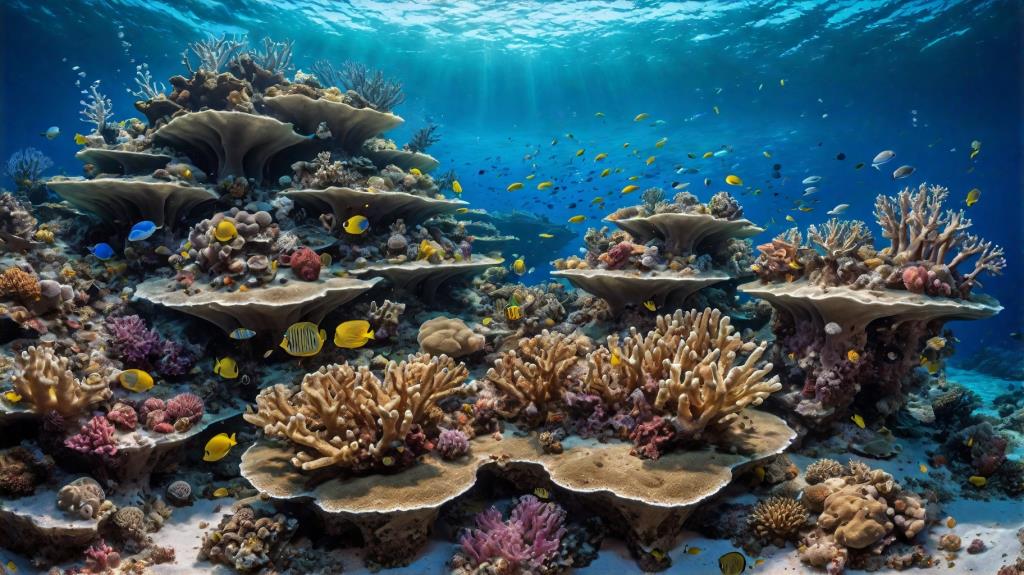
But, before that, Anastasia Island was a natural and pristine barrier island
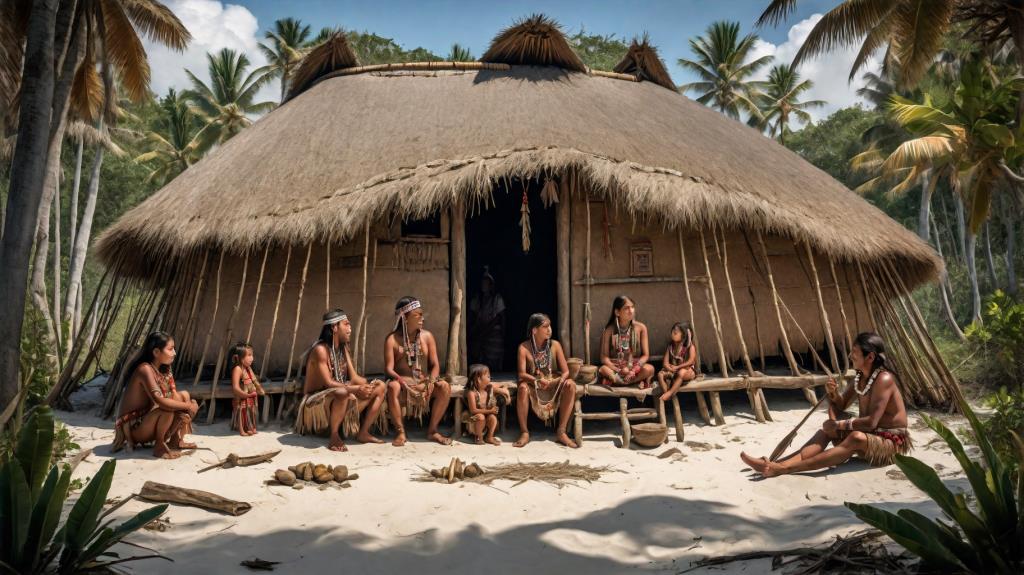
that was home to diverse wildlife and vegetation. It was inhabited by the Timucuan people,
who called it Seloy, meaning island of pelicans.
The Timucuans used the island's resources for fishing, hunting, and gathering,
and also traded with other tribes and European explorers.
Unfortunately, the Timucuans suffered greatly from the introduction of European diseases,
warfare, and enslavement. By the late 17th century, their population had declined to about 1,000.
The last known Timucuan speakers died in the early 18th century, either in Florida or in Cuba,
where some of them had been relocated by the Spanish. The Timucuan culture and language became
extinct, leaving behind only some archaeological and historical records.
We lived in a development called Coquina Gables. Ours was one of the first 10 or so homes
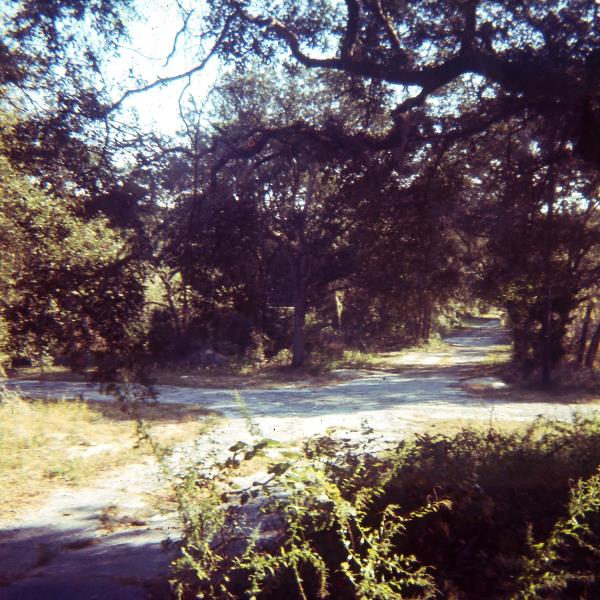
bought. But there was a paved grid of streets that had been laid down so long ago it
was coming apart, with hardy Florida plants growing from the cracks.
There had been a development planned in the 1920s by the Florida East Coast Railway Company,
which owned most of the land on Anastasia Island at the time. The company envisioned a resort community
with hotels, golf courses, and residential lots, and began to lay out streets, sidewalks, and utilities.
However, the project was halted by the Great Depression and the Florida land bust, which caused a
collapse in the real estate market. The company eventually sold the land to private developers,
who resumed the construction of homes in the 1960s.
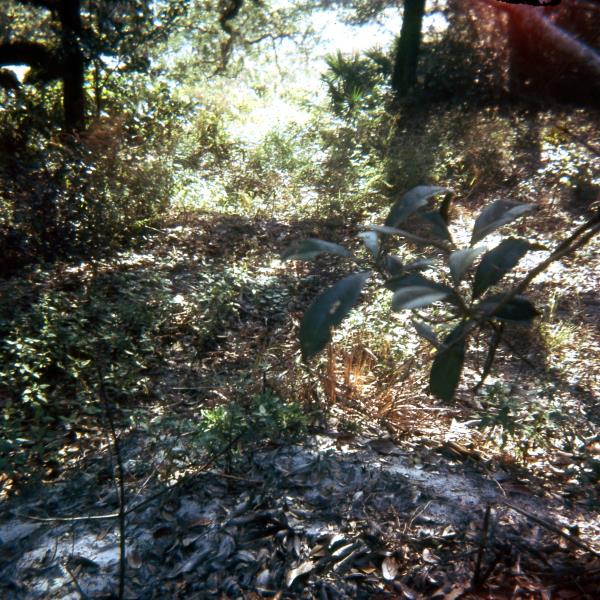
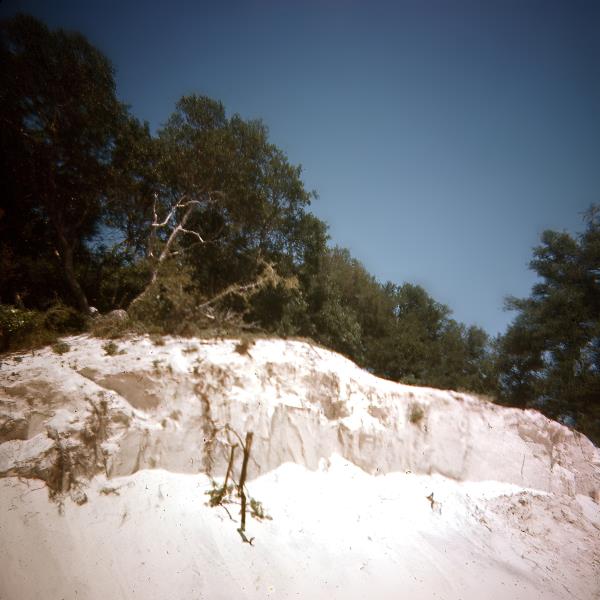
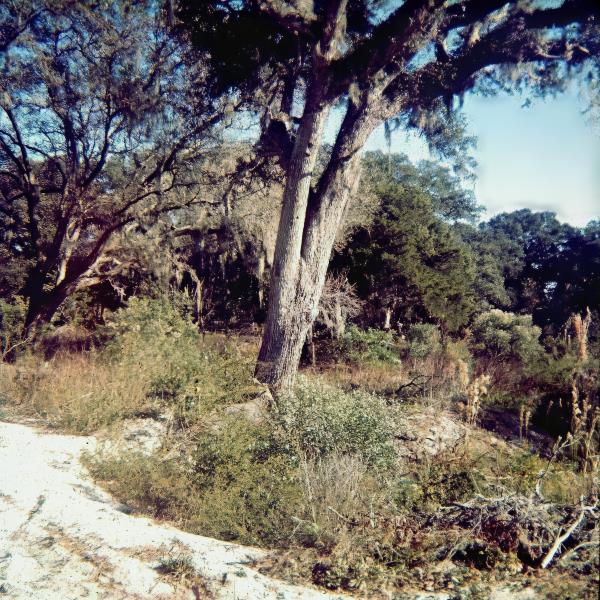
The streets were unimaginatively named A, B, C, D, E and F; when we lived there, there
were homes built only on A and B streets. The other streets existed, but no one ever tried to drive on them
and the jungle had pushed as far onto the concrete as it could manage.
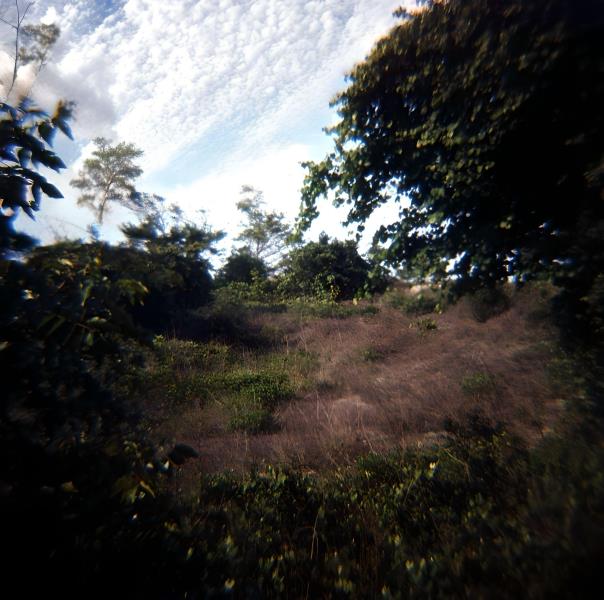
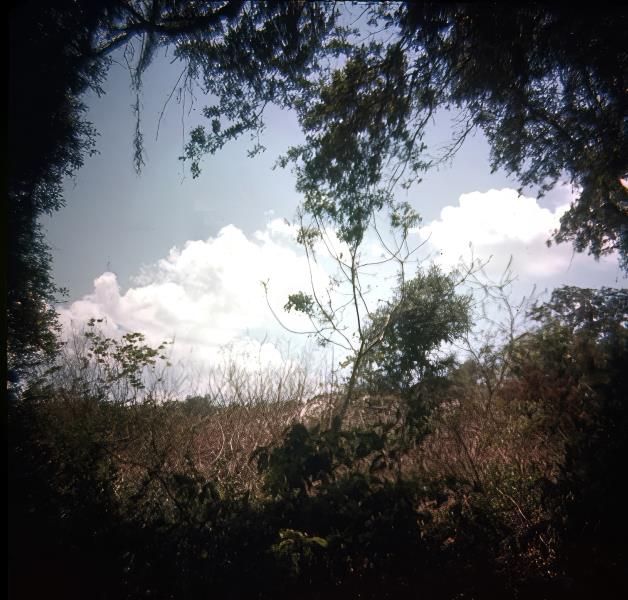
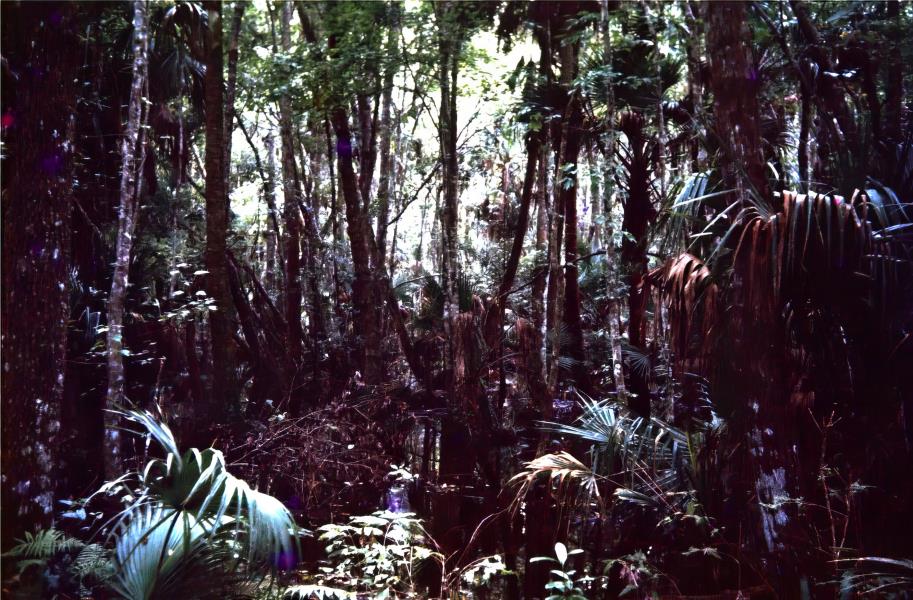
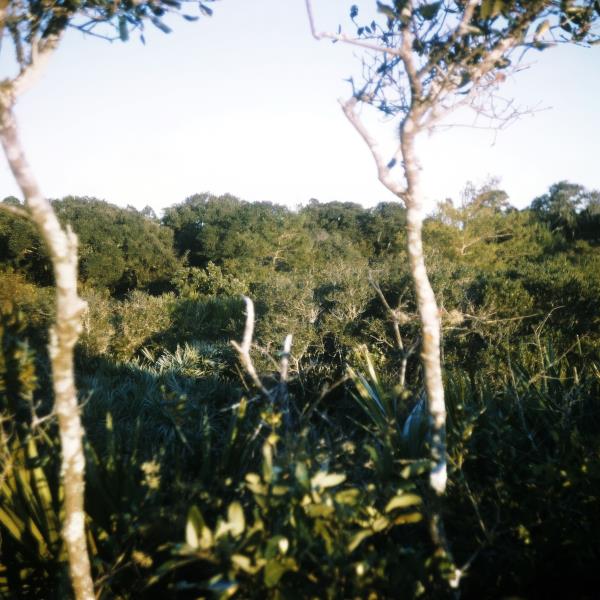
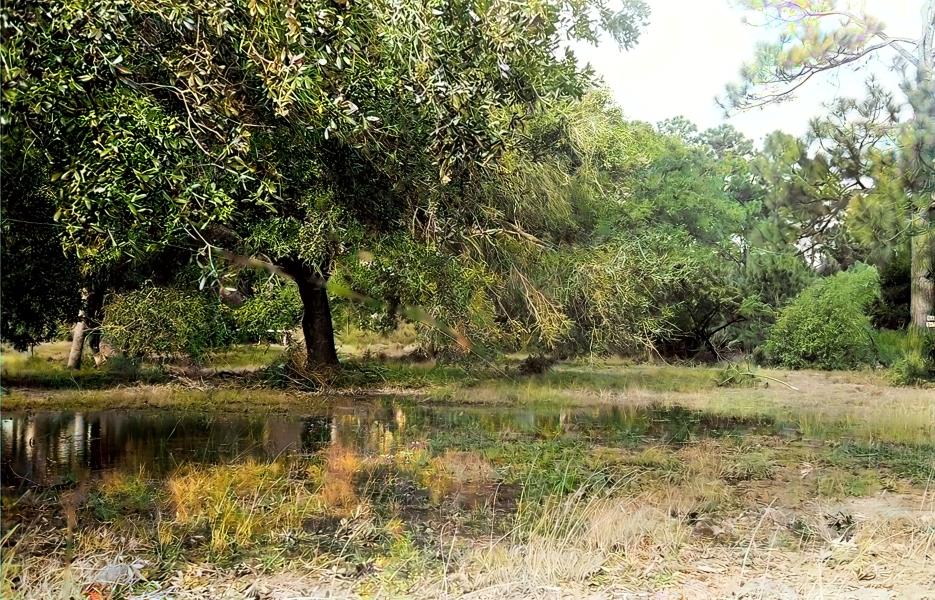
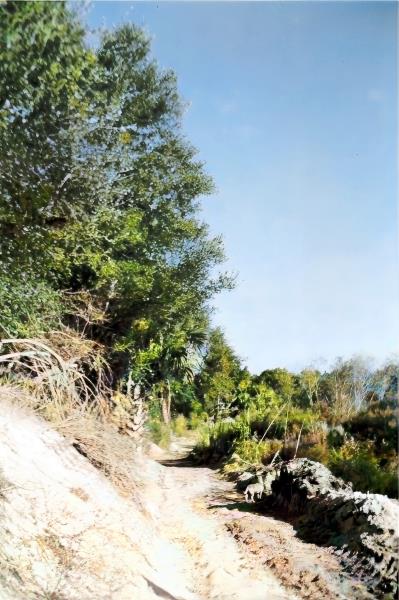
In this next photo, you can get a feel for how bad the 40-year-old paving job had become.
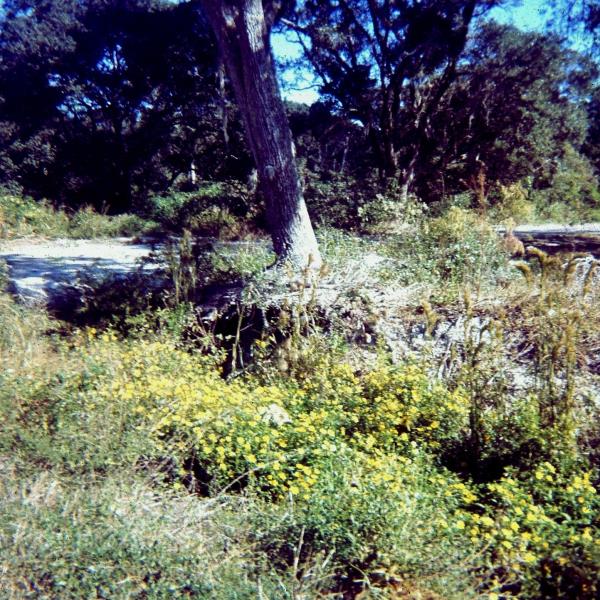
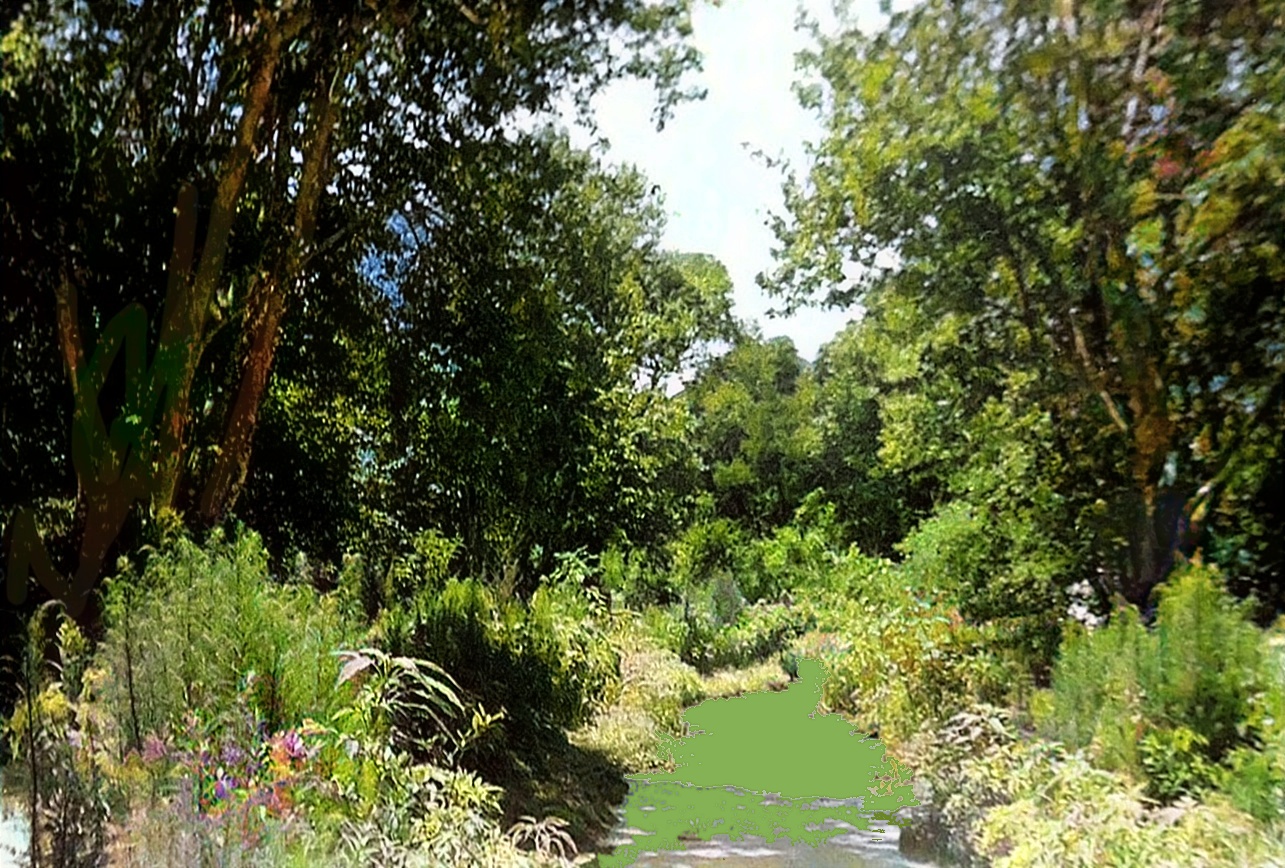
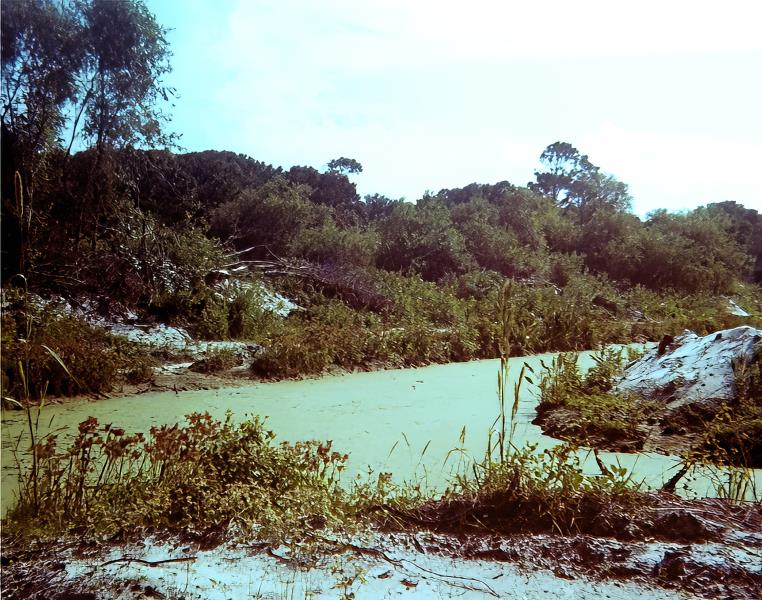
Aren't the flowers in the next photo lovely? They are growing out of a mosquito control ditch
,
a series of linked excavations that started at C street and continued south past F.
The mosquito control ditches were constructed in the 1950s and 1960s as part of a statewide effort
to reduce mosquito populations and prevent mosquito-borne diseases. The ditches were designed to
isolate wetlands from nearby waterways and flood them artificially to prevent mosquito breeding.
However, these ditches also altered the natural hydrology and ecology of the coastal wetlands,
affecting the wildlife and vegetation that depend on them.
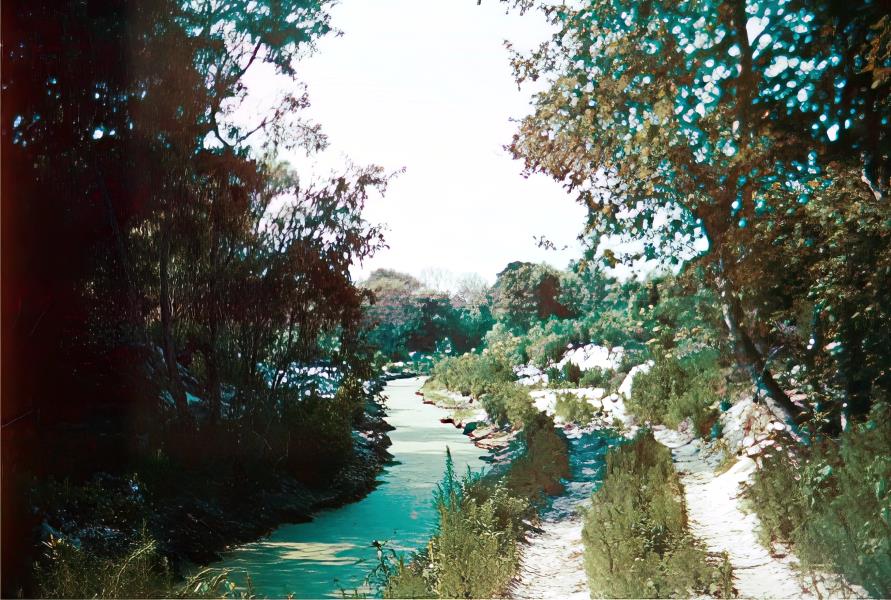
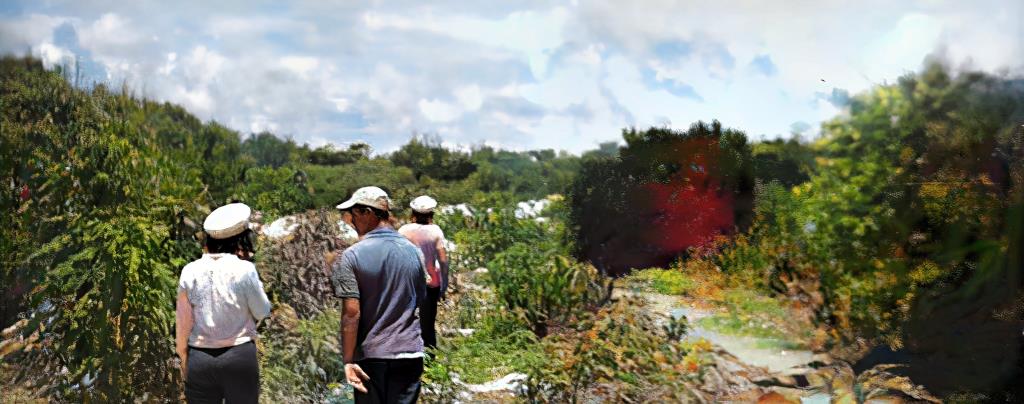
Of course, as kids in 1968, we didn't know anything about that. What we did know, was that
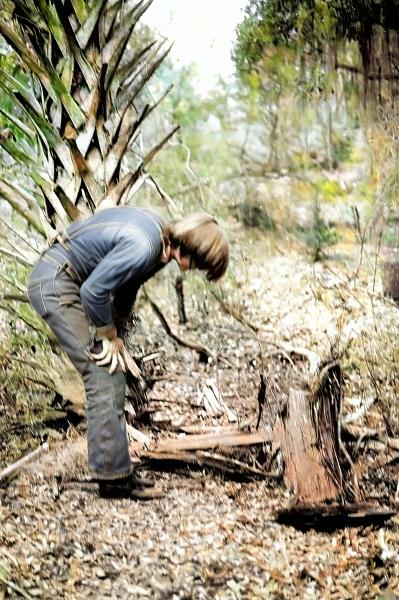
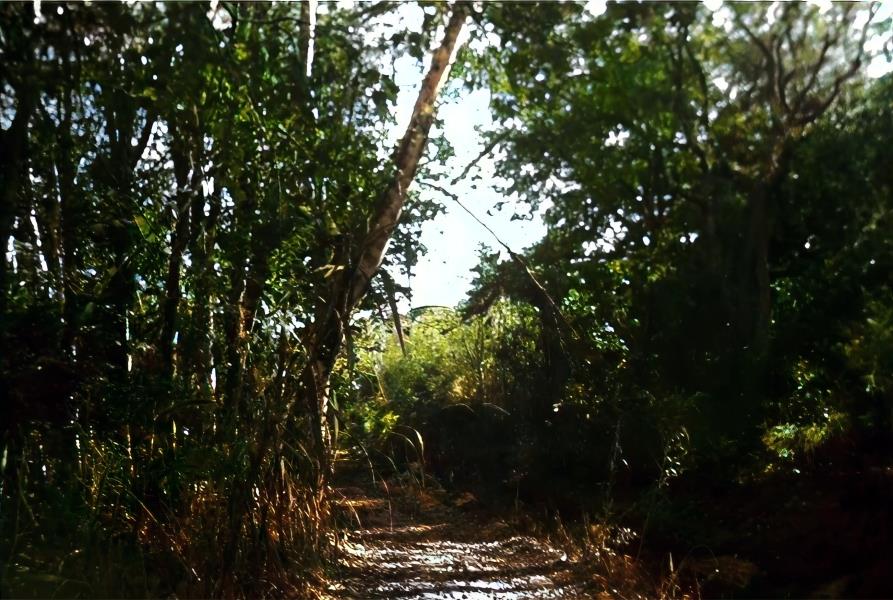
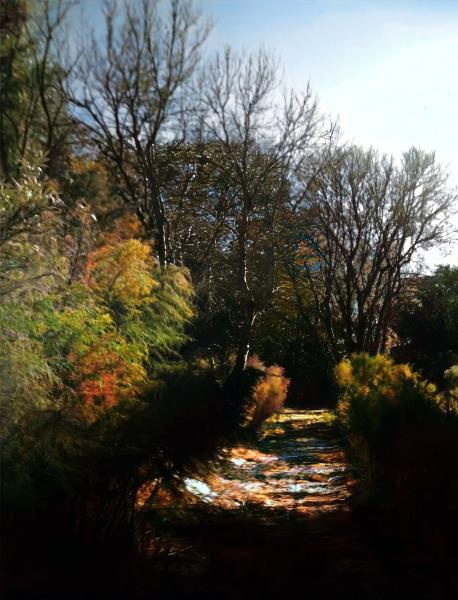
the tracks made by the excavators made excellent hiking trails!
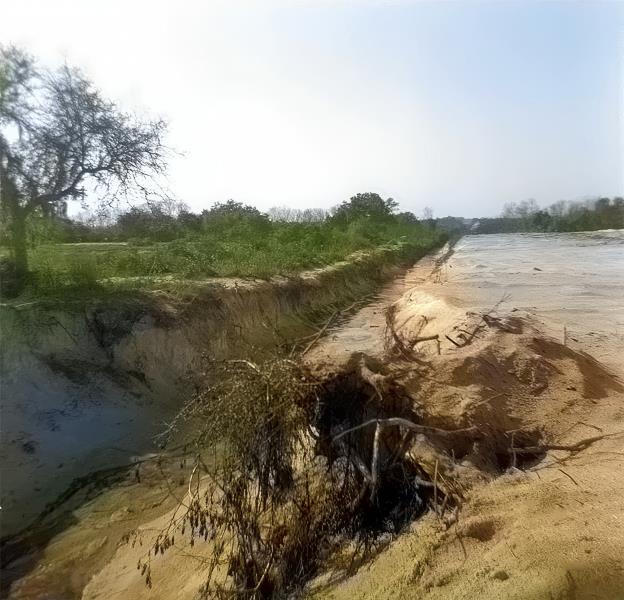
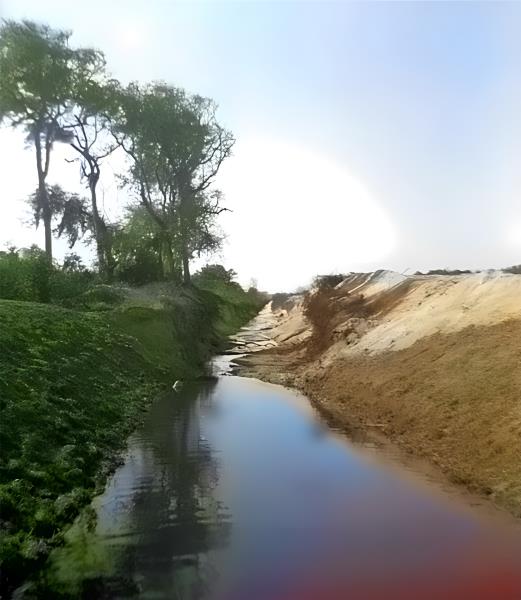
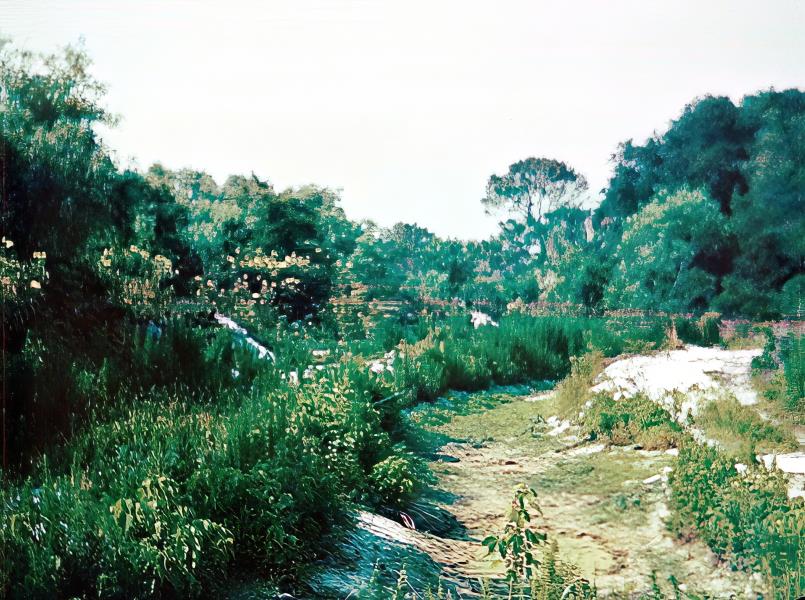
Although I often went alone, my sisters and our friends just as often accompanied me.
Sometimes we just hiked; sometimes we'd make stuff up, like we were explorers on some
alien planet. Or, we were alien explorers studying Earth! (In that case, we would
speak gibberish to each other as our alien language
.
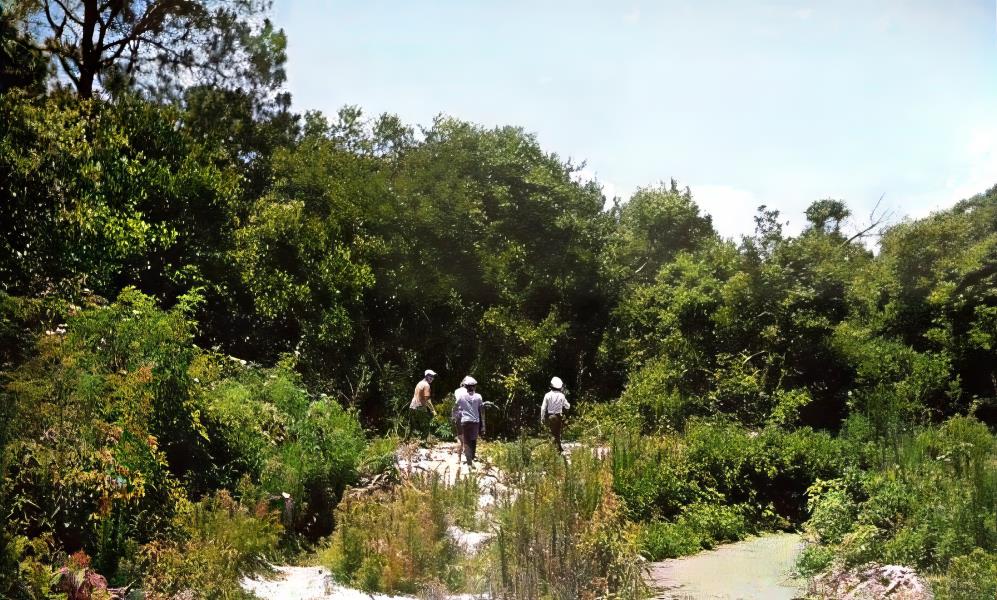
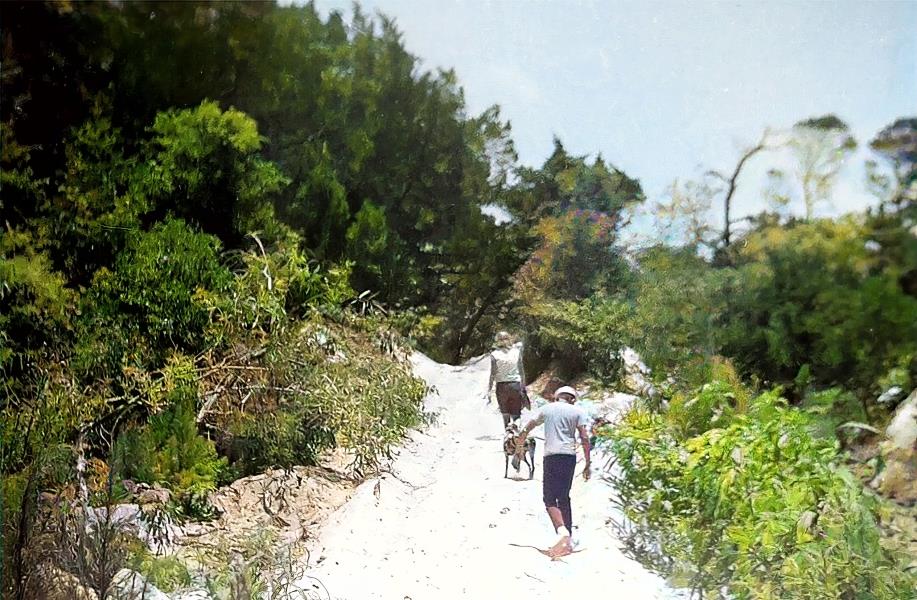
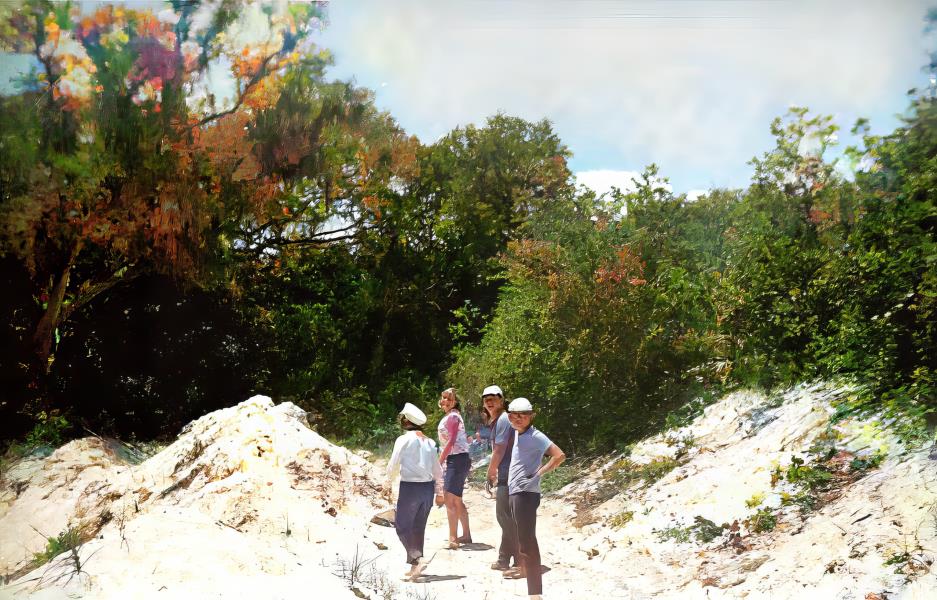
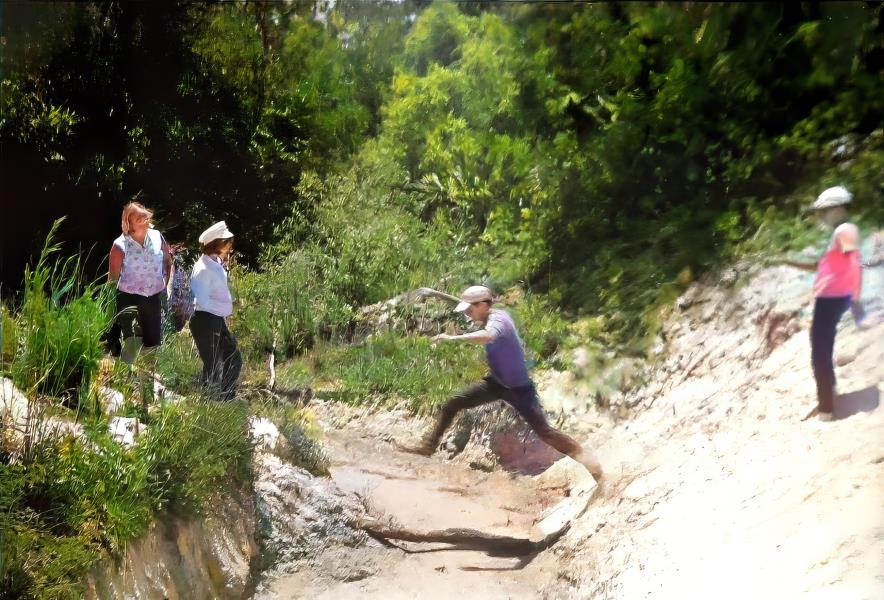
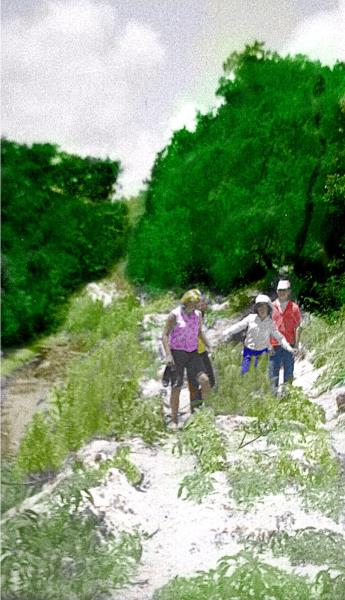
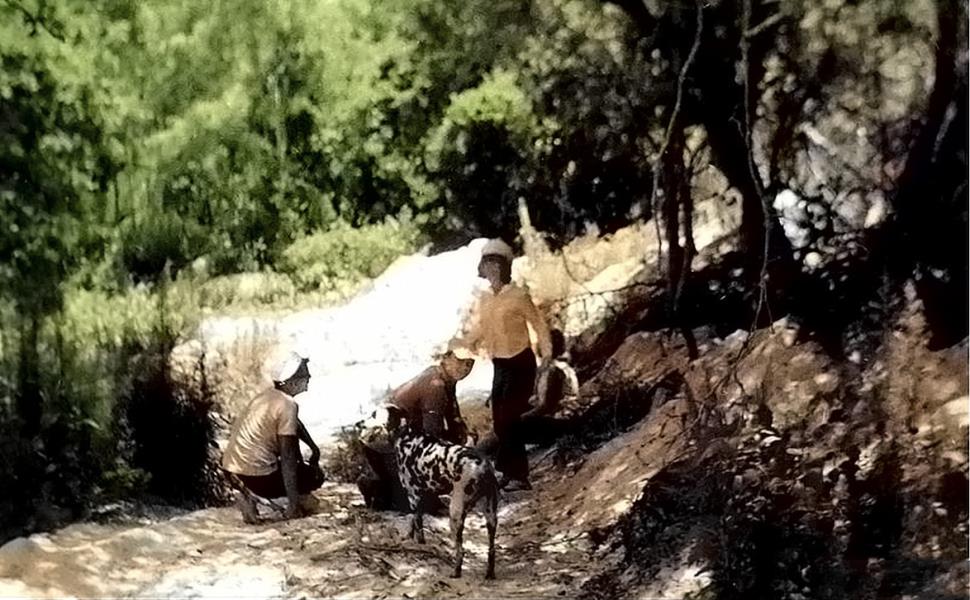
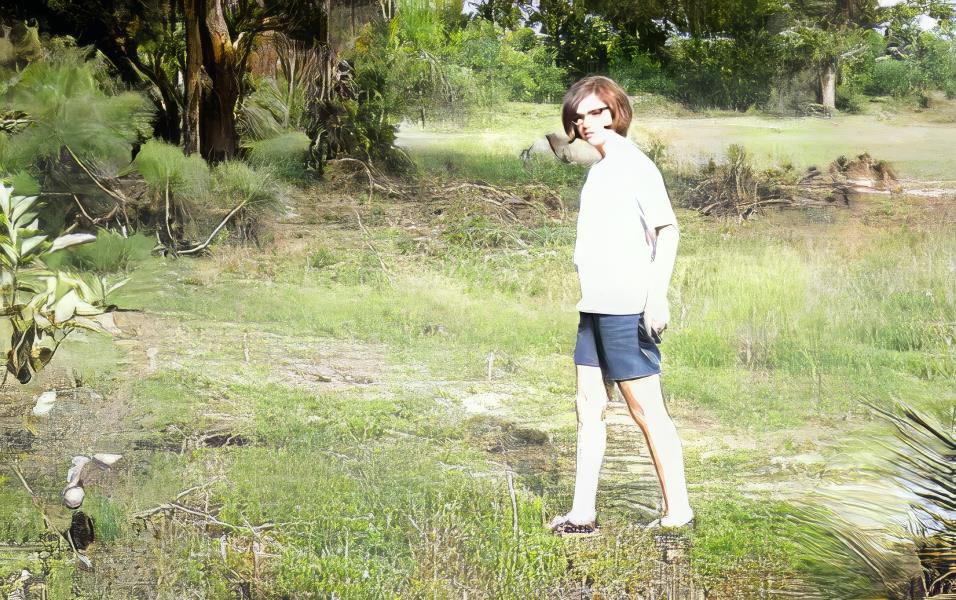
Sometimes just my sister, Mary Joan, came with me.
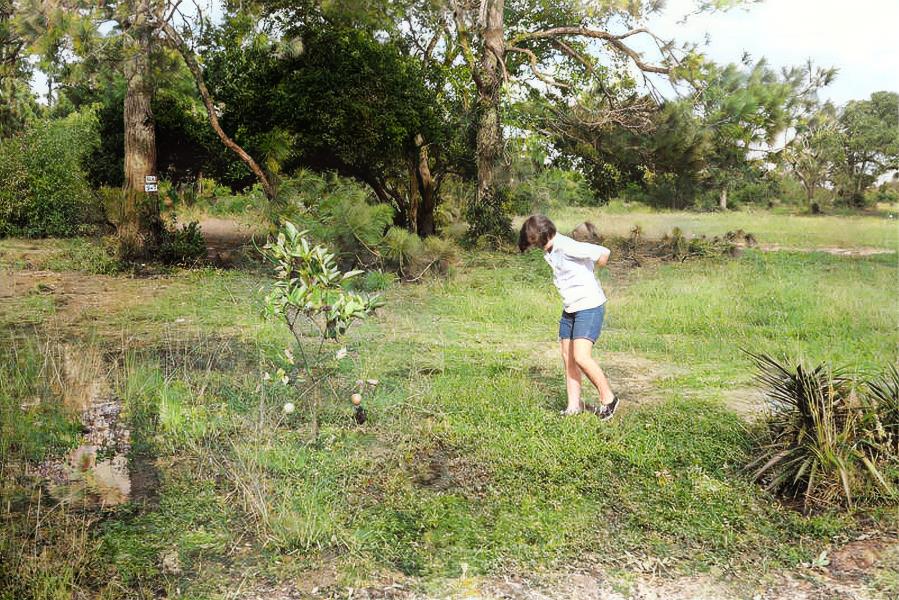
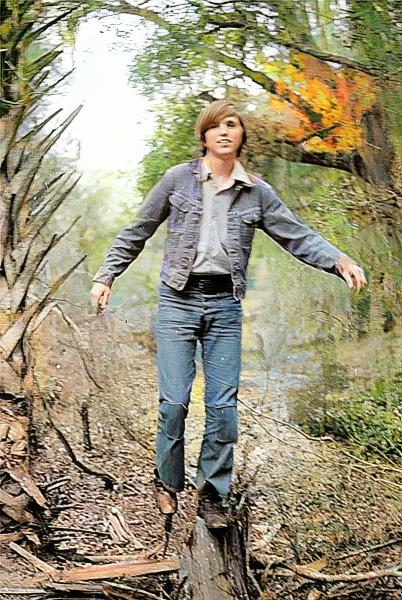
Or it would be my buddy Mike Parry, who was also Mary Joan's boyfriend.
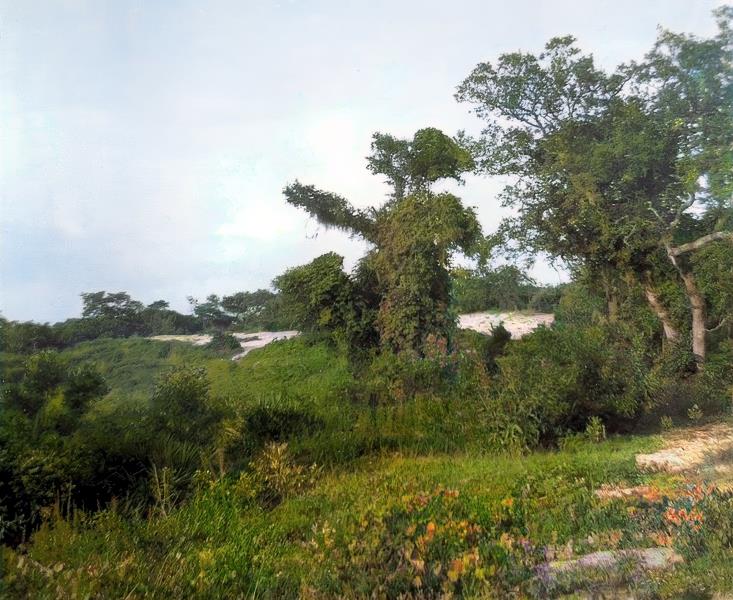
Kudzu is a climbing, semi-woody, perennial vine of the legume family that is native to Asia.
It was introduced to America in the late 19th century as a garden novelty, but it became
widely planted in the 1930s for erosion control and as a forage crop for livestock in the southern United States.
However, kudzu soon escaped cultivation and spread rapidly across the region, becoming an invasive weed that
smothers other plants and damages ecosystems. Kudzu is now considered a serious environmental and economic
problem in the South, and efforts are being made to control or eradicate it.
A forest is a large area covered by trees and other plants, while a jungle is a type of forest
that is very dense and tangled, usually in a tropical or humid climate.
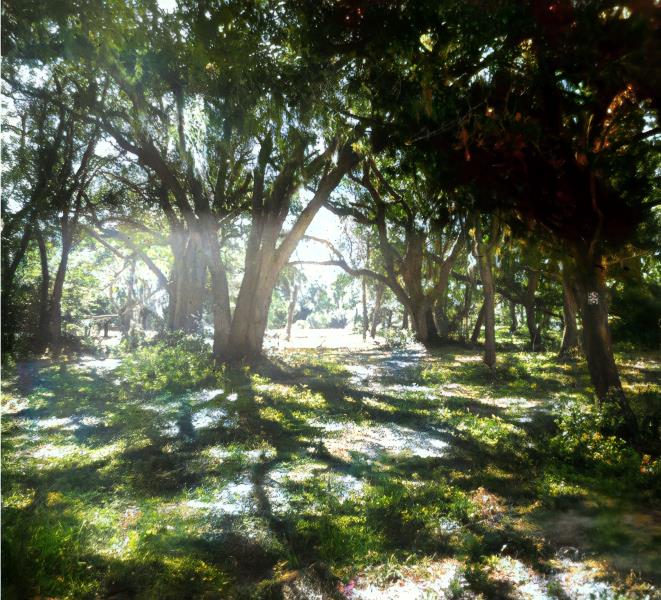
The woods on Anastasia Island are dense enough to be considered jungle.
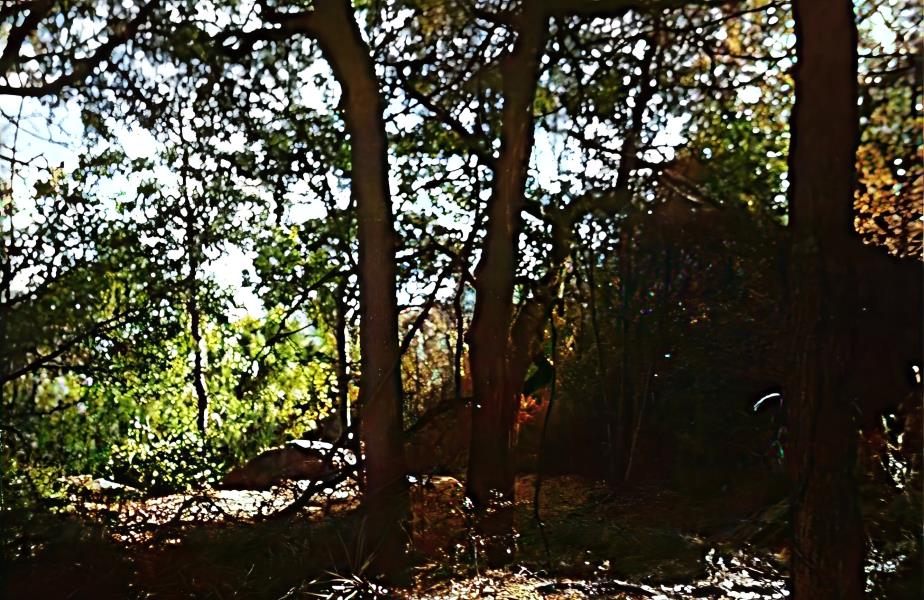
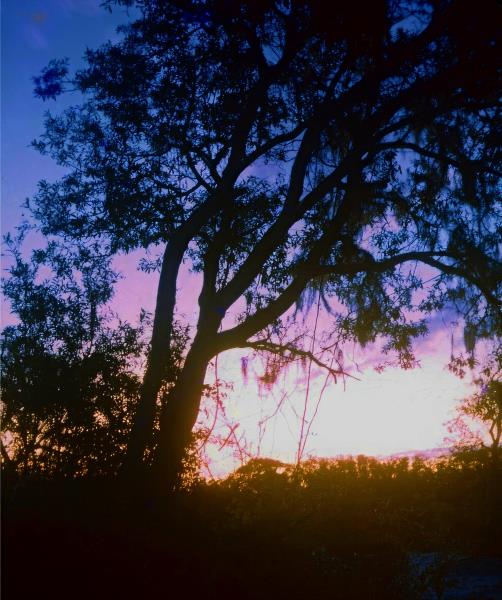
In those days, without cell phones, our instructions were to come in for dinner when the street lights
turned on. But out in the jungle, there were no street lights! So sunset worked as a substitute.