|
By: Paul S Cilwa |
Occurred: 1/18/1971
Posted: 12/28/2024 |
|
Page Views: 109 |
| Hashtags: #Autobiography #StJohnsRiverJuniorCollege #SJRJC #GeorgeChampion #MarkPomraning #JohannaDeWitt #KimBartlett |
| Finally, a school I liked! |
| Estimated reading time: 7 minute(s) (1509 words) |
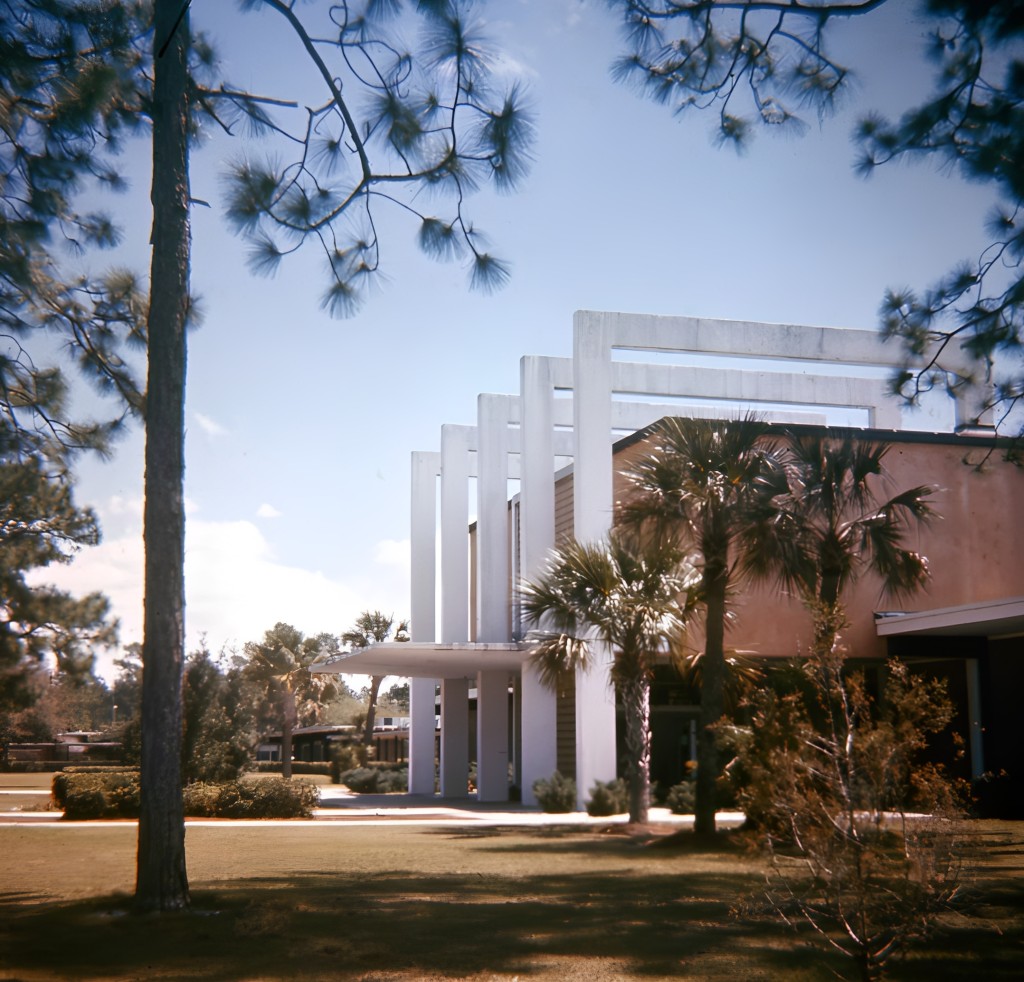
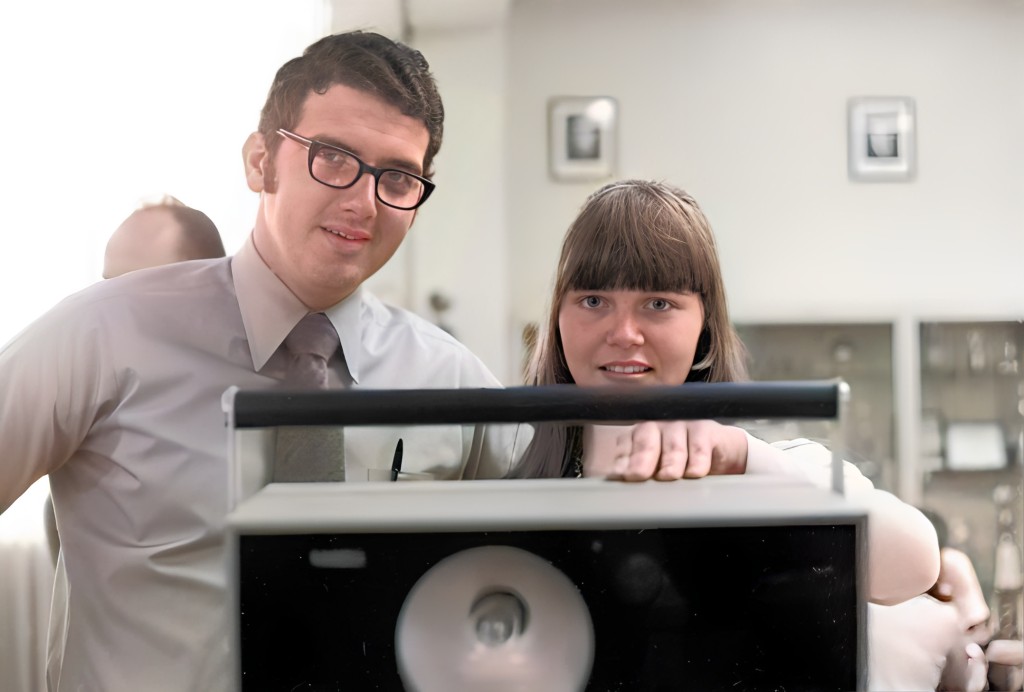
The campus itself was still under construction. The Science building wasn't yet complete, and the Fine Arts
building (where I spent most of my time) was less than a year old. The library was only two years old.
It was expected I would get an on-campus job to help with expenses; I went to work in the library.
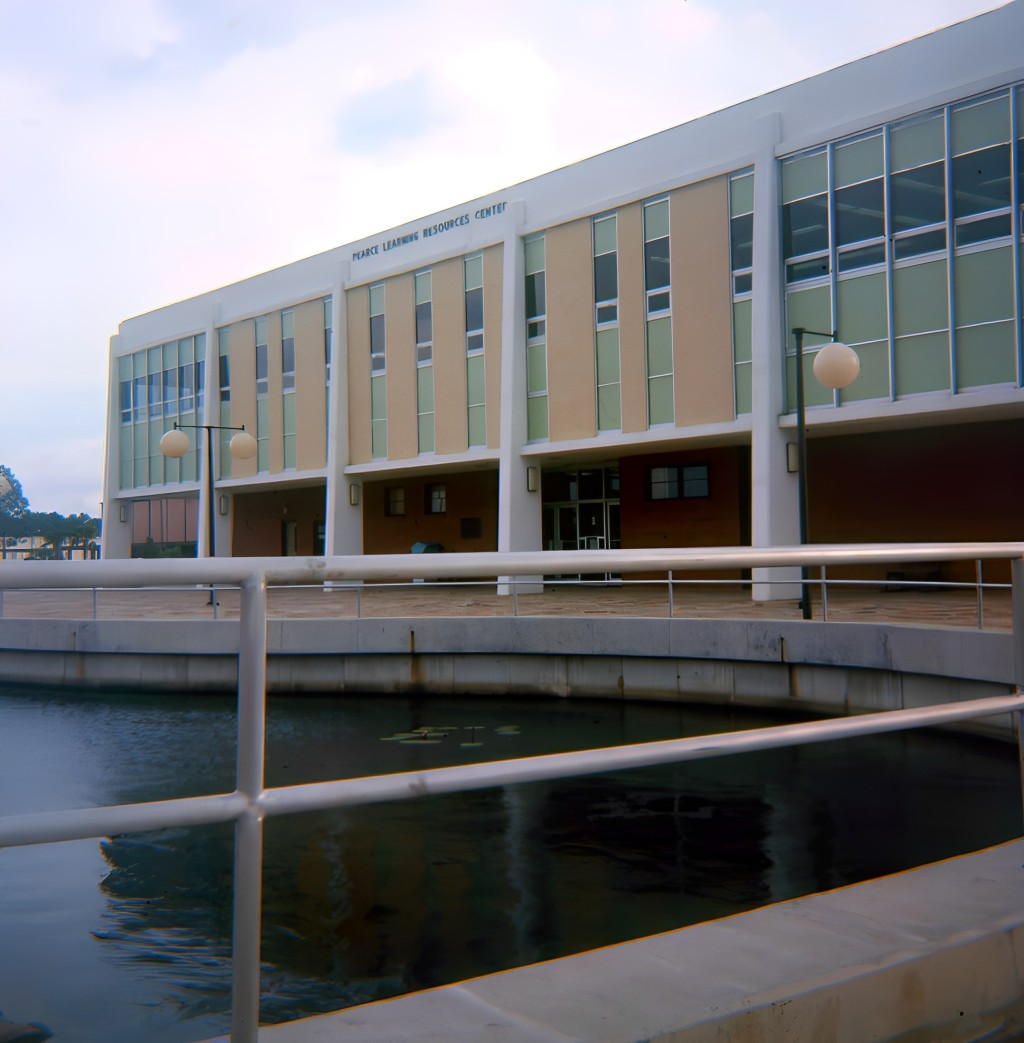
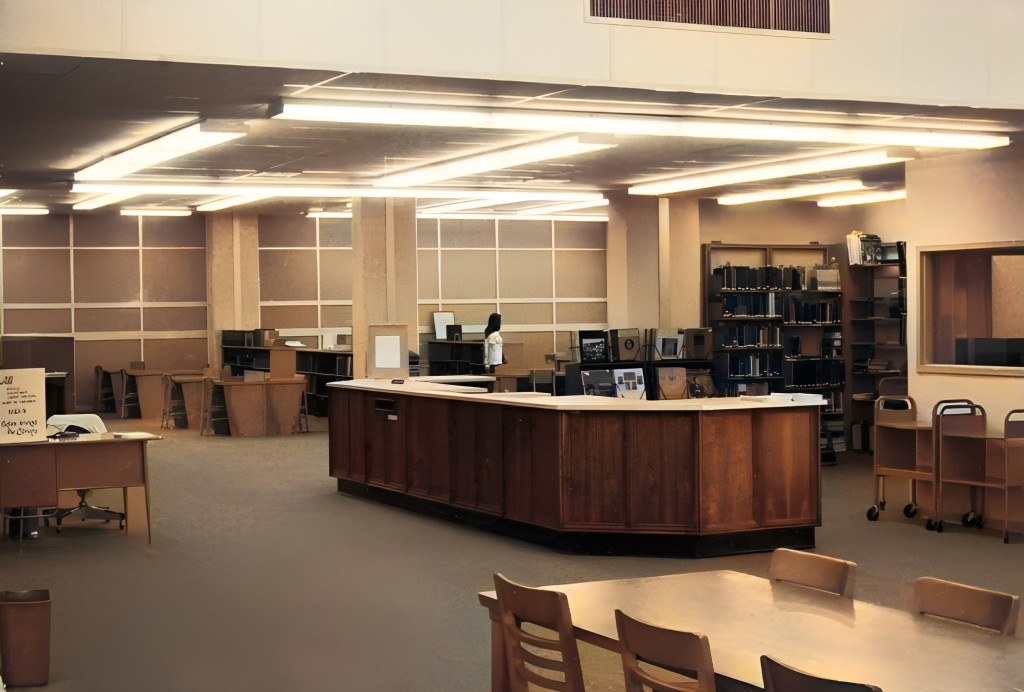
My job in the library was basically putting books back on shelves. This had to be done in accordance with the
Dewey Decimal System, which I had learned in high school. So the work didn't take long, and left me able to
wander the library and look at books I might never have otherwise seen. For example, this was where I first
learned of (and read) Twenty Cases Suggestive of Reincarnation.
The Fine Arts building was home to the music and theatre departments, as well as physical arts such as painting and
sculpture. I stuck to music and theatre.
The music professor was George Champion. He was young, in his early twenties, but brilliant in his field.
He taught music theory as well as choir, and encouraged my friends Kim and Mike and I to form a folk trio,
which we did; and performed as an opening act to the choir (which meant Kim and Mike and I would sing something
like "Blowin' In The Wind" to be followed by the choir performing Haydn's "Mass In G".) George
and I became buddies; he and his wife even attended my wedding a year later.
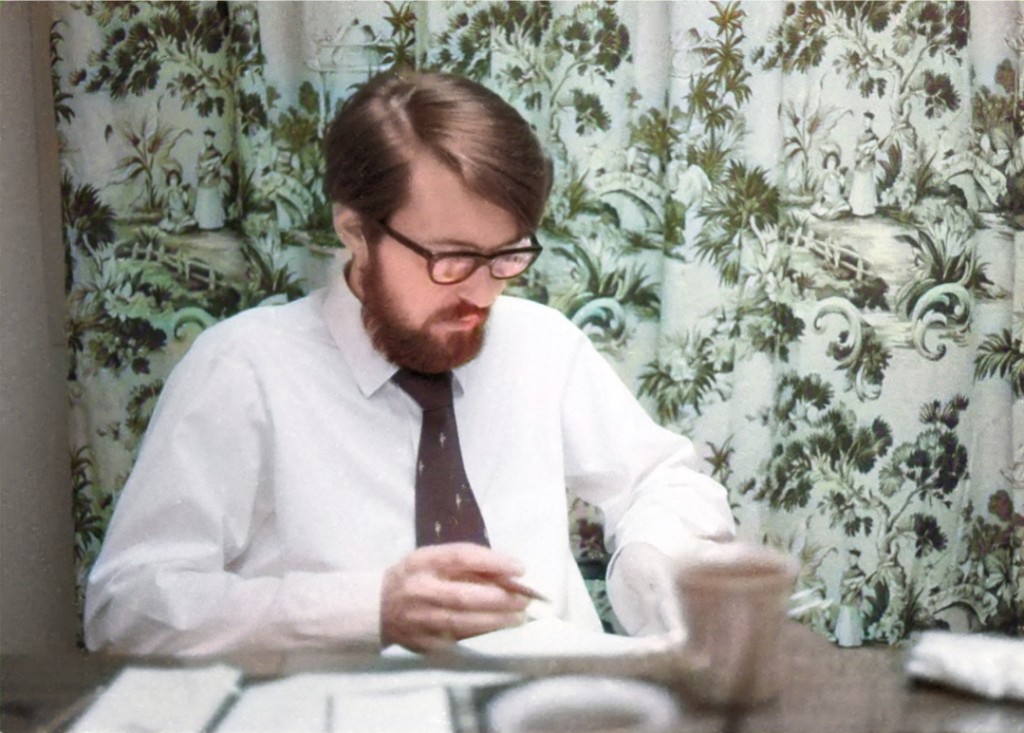 George Champion
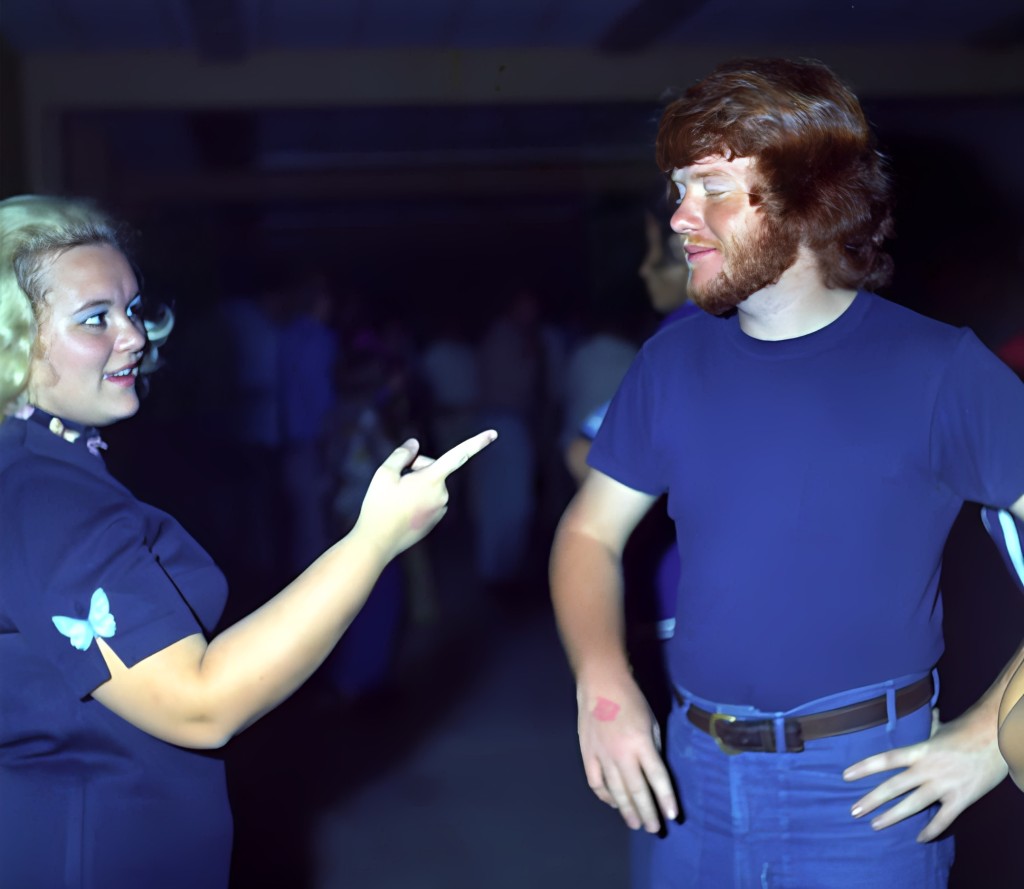
.jpg) Folk Trio
Folk Trio

In Theatre arts, our instructor was Jim Grey. He and I also became pals, but something happened
that made me uncomfortable. We had a test on something or other, and after I turned it in,
I looked up the one answer I hadn't been sure of. To my horror, I'd gotten it wrong! But
that was just one question so I wasn't worried.
However…when Jim passed the graded papers around the next day, mine was marked,
"100%"! I turned red as I realized, Jim hadn't even bothered to check my paper;
he just gave me a perfect grade and I was sure it was because we'd become friends and
maybe he thought I wouldn't like him if he didn't give me a 100%.
I wanted to say something, but what if I were wrong? I mean, I knew my
answer had been wrong, but what if he just put 100% on everyone's paper? If I brought it
up he might think I was going to report him for not doing his job.
So I didn't say anything, and he continued to put 100%s on all my papers. So I made
damn sure I knew all the answers without doubt. But really, it kind of spoiled
it for me. I'd rather not work as hard and get 90s. But I was aghast at the very
thought of cheating, even for my benefit, even if I wasn't the one doing it.
.jpg)
We did put on several plays though. I was in several, and did stage work for others.
One was Harold Pinter's American Dream. Another was The Servant of Two Masters,
a comedy by the Italian playwright Carlo Goldoni, written in 1746. Our version was
translated into English in the 1920s, so one of the lines was, "You're such a zany!"
That was my first real awareness that language evolves…and that meanings can change.
(I'm talking to you, readers of the Bible!)
.jpg)
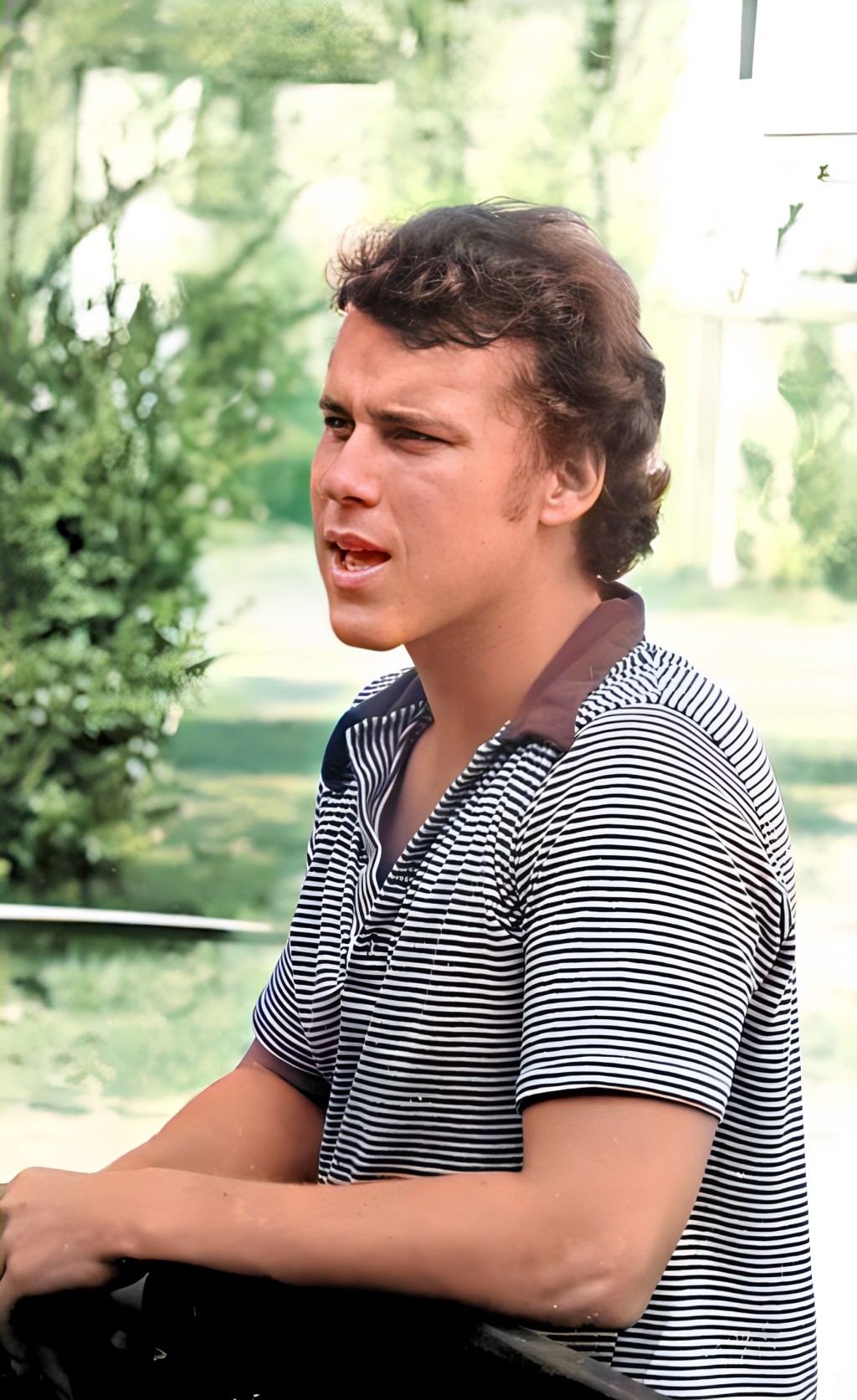
Eventually our Folk Trio was expanded to include Johanna DeWitt, an amazing actress
(who eventually became a nurse).

Mark Pomraning, who'd been in American Dream, started out seeming to not like me;
but then we became buddies. I think he became a math teacher.
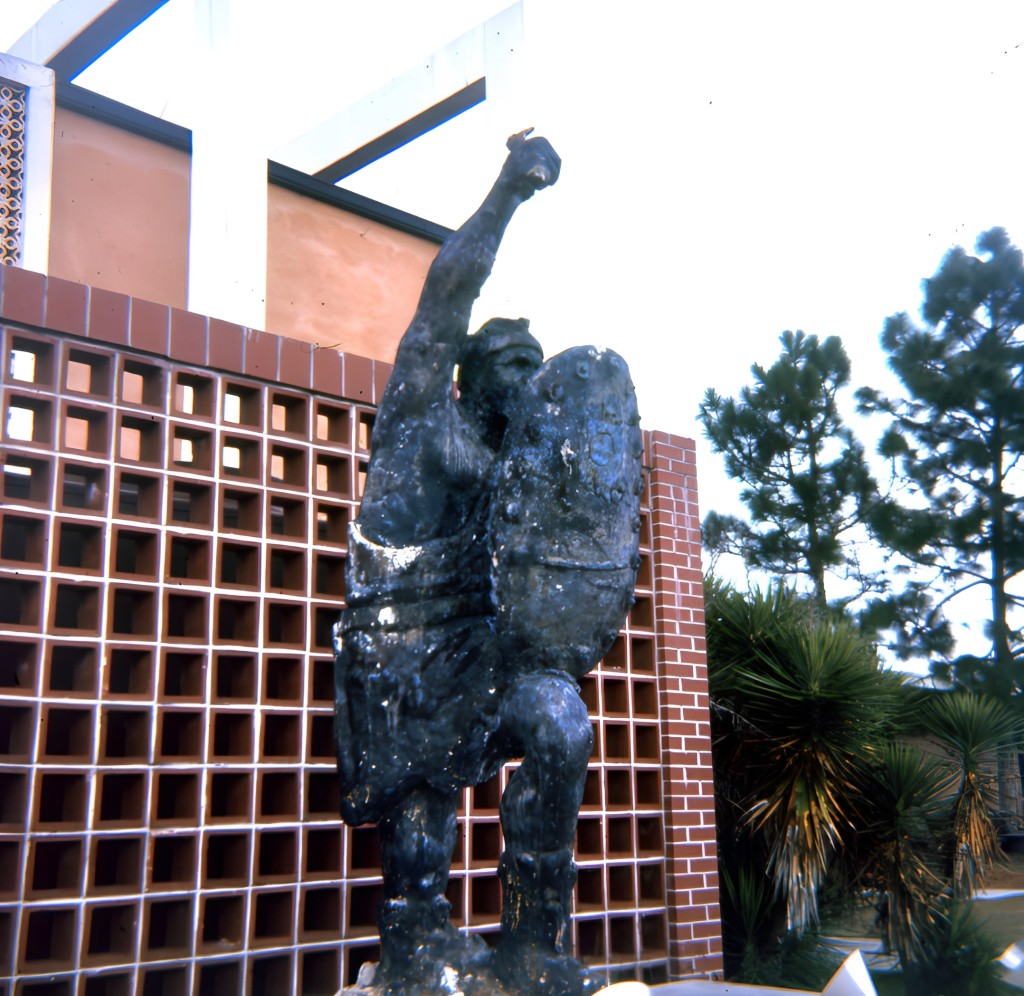
The school mascot was this statue of a Viking. I have no idea where the Viking
came from; I'm pretty sure they never visited Florida. But it was the name of our
sportsball teams, and contributed to the name of the school newsletter, The Viking Horn.
A woman named Jan Hahn was in charge of it, and I talked her into making me the editor.
(Well, student editor; she had last say.)
Back then, the newsroom buzzed not with keyboards clacking, but with the hum of an electric typewriter—a
marvel of its time. Our typewriter wasn't just for writing; it was a precision tool for creating justified
text, aligned neatly on both the left and right margins. The process was anything but instant. First, you
typed each line normally, and the machine recorded it on a memory strip. Then, you fed the same strip back
through the typewriter, which would analyze the content, calculate the spacing, and retype the text with
perfectly aligned edges. It was meticulous, mechanical magic.
Once the text was justified, it was transferred to plates—metal sheets that would serve as the foundation
for the printing press. These plates didn't just carry words; they also bore the half-tone images painstakingly
prepared from photographs. Each photo was transformed into a dotted pattern, giving the illusion of shades
and gradients when printed. Every step was deliberate, requiring precision and care. Holding a fresh issue
of the paper in my hands, with its crisp columns and carefully arranged photos, felt like a triumph of
both artistry and technology. It's a far cry from today's point-and-click ease, but there was something
deeply satisfying about the craftsmanship of it all.
For April Fools Day, we put out a special version of the Viking Horn called "The Horny Viking".
I'm not sure if we snuck this past Jan or if it was her idea. In any case, it did bring the ire of
Doctor LaPradd.
Dr. Charles W. LaPradd served as the president of St. Johns River Junior College (now St. Johns
River State College) from 1966 to 1972, after his own college football career. He saw SJRJC as his
personal playground. And he hated hippies, which, in his mind, was anyone with long
hair.
Y'know those plays and concerts I was in? Well, even though they were supposed to be open and free
to the public, LaPradd would put guards at the entrance and refuse to let "long-hairs" in.
He also, on a regular basis, have a "dinner" to which various student groups (like Theatre, or Choir)
would be invited. The meal was free, but we were expected to remain afterwards and listen to him
give a speech on something or other. We were also expected to attend, so there was no getting
out of it.
You'd think.
One of our pals was a fellow named Byron, who was a Vietnam vet and not a student—but he
was the right age and look and LaPradd was more concerned over hair styles than student IDs.
Byron hadn't just been to Vietnam; he'd been wounded there, losing his right eye and left foot.
He had prosthetics for both, and if you didn't know, he wouldn't have drawn your attention.
Yes, he had prosthetics…and he knew how to use them.
So when LaPradd announced one of his dinners, we all got Byron to come along. I was sitting at one
long table, and Byron was at the adjacent table across from me, where I had a good view.
We had dinner, which was okay; then LaPradd told us to pull back our chairs so we could face
him at the lectern.
LaPradd began to speak. Byron gazed at him raptly, hanging on to every word. While…slowly, idly,
rotating his prosthetic foot, around and around. LaPradd couldn't see his foot but everyone else
could; and, one by one, individuals who didn't know Byron would catch a glimpse of his rotating foot
would gasp, grab their stomachs, and leave.
LaPradd, who loved the sound of his own voice, continued to speak without seeming to even
notice that he was hemorrhaging audience members. Finally we were down to about five reluctant
spectators, including Byron and myself. (Our other friends had been among the first to leave because
they knew laughing would spoil the joke.)
That's when Byron pulled the piece de resistance: Again, idly, seeming to be totally absorbed in
LaPradd's speech, he picked up a fork, and used it to scratch his glass eye.
That did it; the other three people left, and LaPradd continued and completed his speech to
just the two of us.
Dr LaPradd left in 1972, same as my last year there. The next time anyone spotted him, he was driving
a truck for Budweiser.