|
By: Paul S Cilwa |
Occurred: 1/15/1978
Posted: 3/3/2025 |
|
Page Views: 33 |
| Hashtags: #Autobiography #UniversityofWestFlorida #Pensacola |
| Punchcards, deadlines and compiler errors, oh my! |
| Estimated reading time: 4 minute(s) (718 words) |
For me, though, the experience was completely different. In fact, I often
spent hours in the evening or even after midnight doing my homework,
which involved punching cards and waiting in line.
Back in 1978, being a computer science student was more about patience
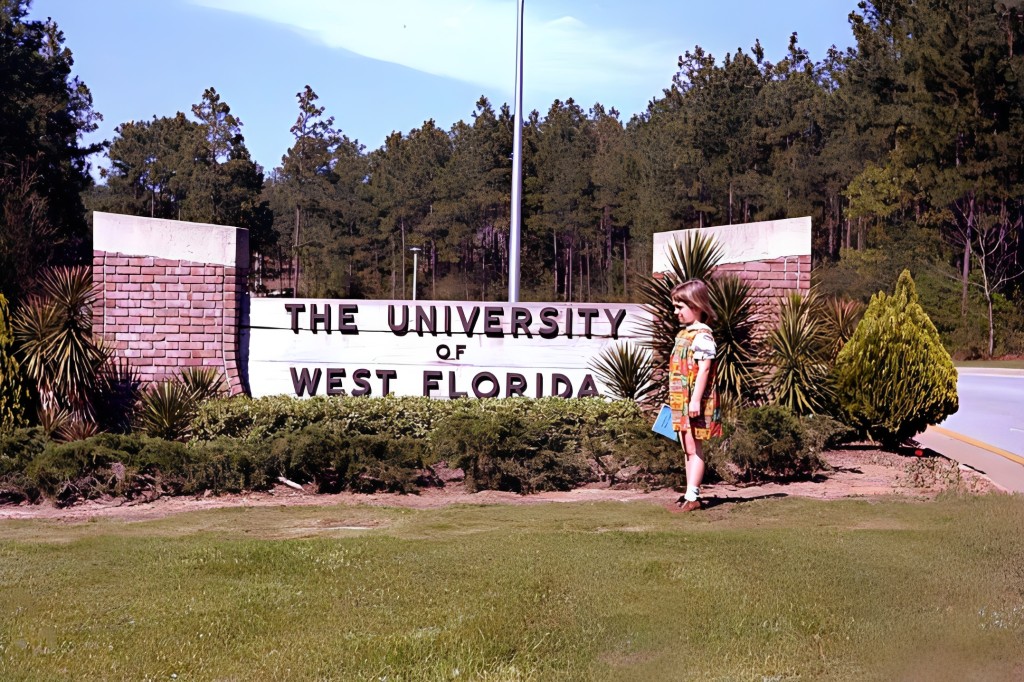
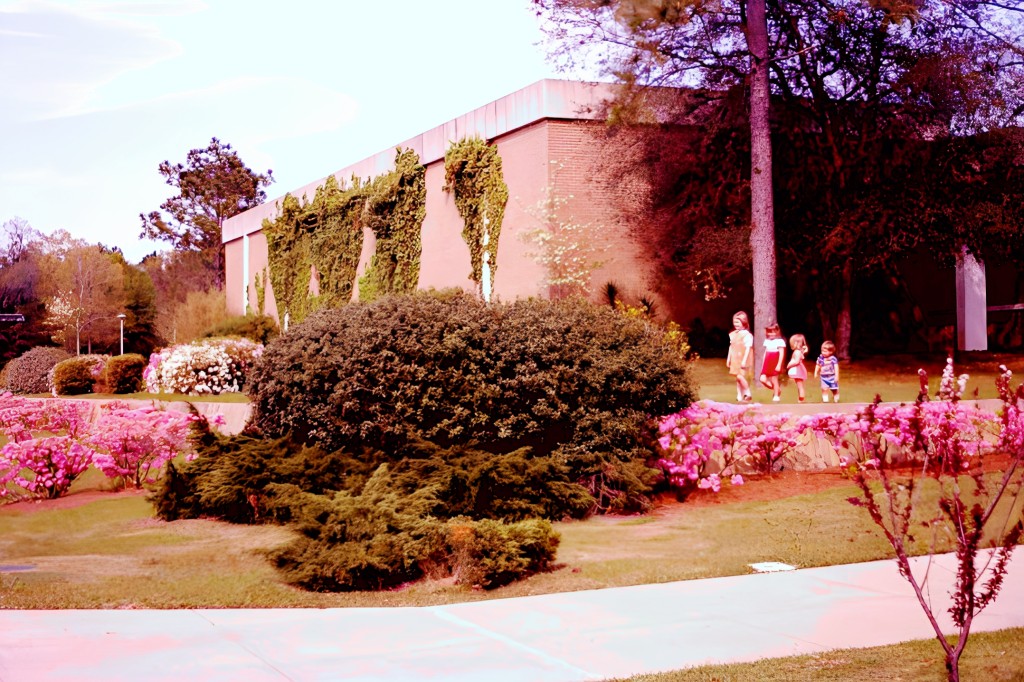
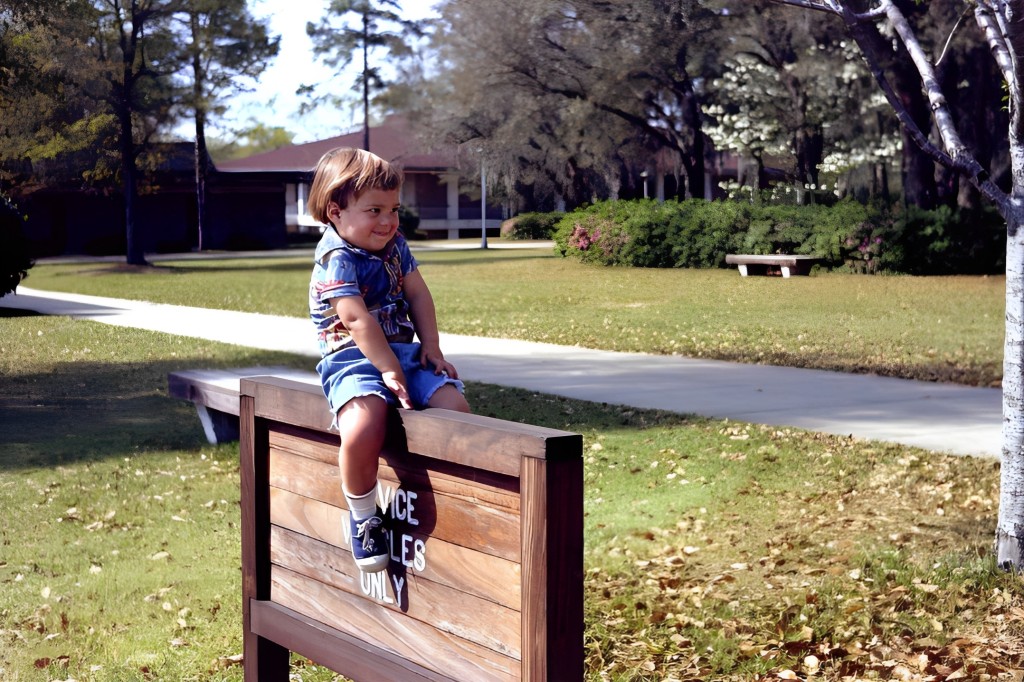
than programming. Nights at the University of West Florida's computer
center were a peculiar combination of determination, caffeine, and the
sound of a line printer chugging away in the distance.
I had already taught myself BASIC (the forerunner to today's VB.net)
but programs in BASIC were typed into a computer with a keyboard and
monitor, much as we use computers today. However, my school subjects
were FORTRAN and COBOL, and, in 1978, that meant writing the program
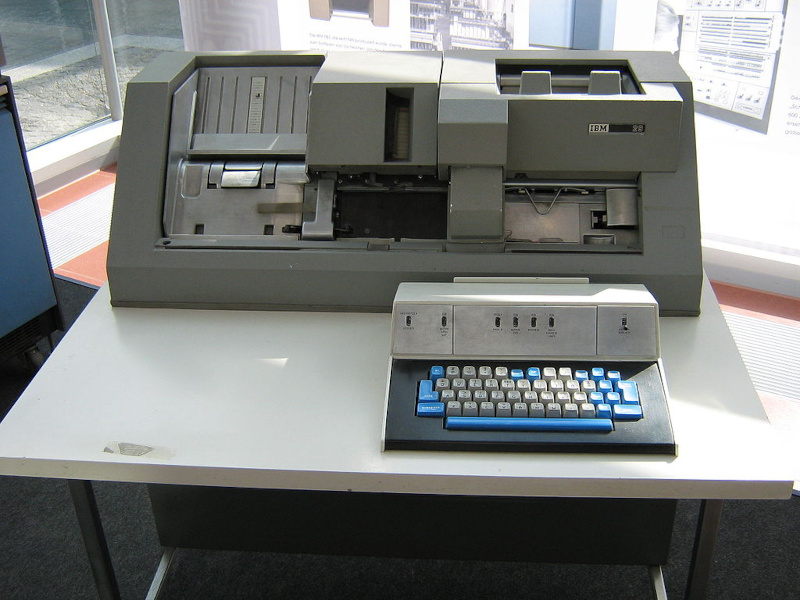
on paper; transcribing it to punch cards; submitting it for processing,
and receiving the result—all of which could easily take hours.
The homework assignments seemed straightforward enough—a program to be
written, a solution to be found. It always began with punch cards,
those stiff, rectangular sentinels of my work. Each line of code
meticulously typed out, one card at a time. I learned quickly that
typos weren't just mistakes; they were tragedies. A missing period
meant an entire night lost to the stern dictates of the compiler.
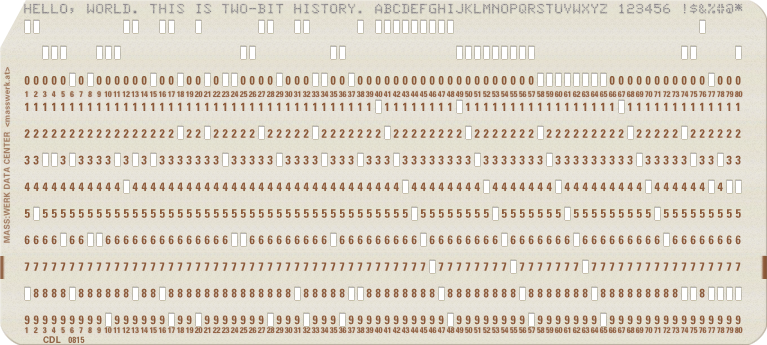
Once my stack of cards was complete—carefully ordered, held together by
a rubber band for dear life—I made my way to the student computer operator.
He was the gatekeeper, perched in his swivel chair, surrounded by humming
machines that felt more mysterious than magical. Handing over the cards
was a bit like giving a priest your confessions. You hoped for absolution
but braced yourself for judgment.
And then, the wait began. The center was quieter at night, but the silence
only made the anticipation more acute. The room was dimly lit, fluorescent
lights buzzing overhead, casting a pale glow over the handful of weary souls
like me. We'd sit on the edge of our seats, trading war stories about
infinite loops and syntax errors. Everyone hoped their program wouldn't
crash the machine and earn them the collective groans of the room.
Eventually, the operator would call my name, and I'd rush to retrieve my
printout—a stack of perforated paper that held my fate. More often than not,
it wasn't the solution to the homework staring back at me, but a list of
errors longer than I cared to admit. The compiler (a computer program that
translates written code into the actual machine instructions), in all
its unapologetic glory, pointed out my shortcomings line by line.
So back I'd go to the punch card machine, corrections scribbled in the margins
of my printout, ready to do it all over again. It was a ritual, a rite of
passage, and a test of endurance. By the time the sun hinted at its return,
I might finally have a working program—or, at the very least, the satisfaction
of having battled the machine and survived to try again.
It wasn't glamorous, and it wasn't easy, but those nights in the computer
center taught me that progress often comes one punch card at a time. And,
occasionally, with a well-timed muttered curse.
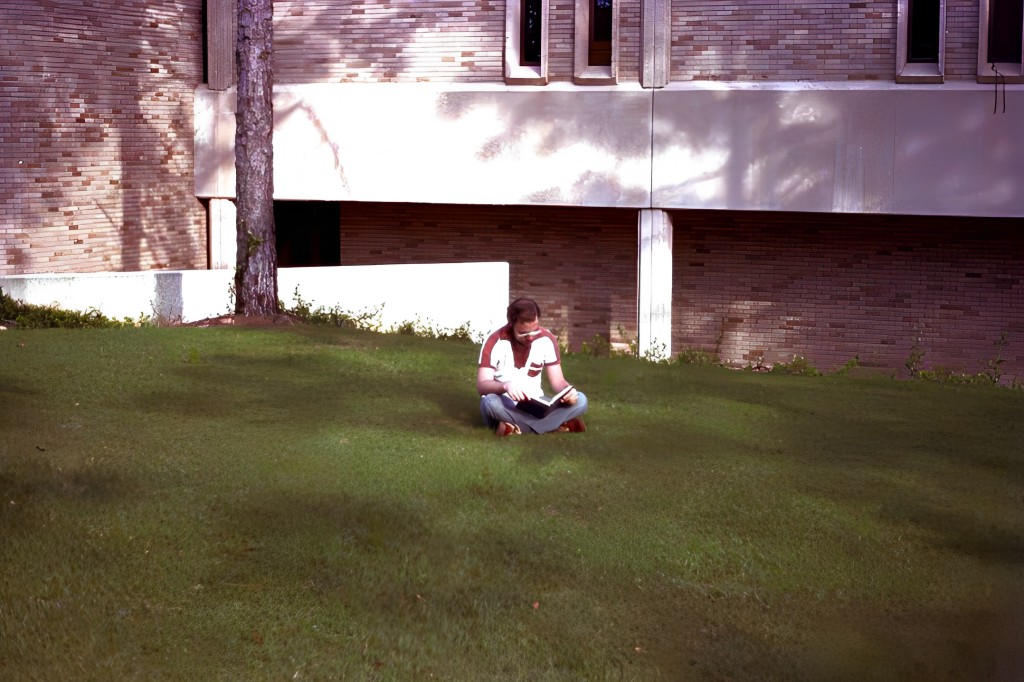
And then, out of the blue, one evening Dr. Miller, the head of the Systems
Science department (what they called Computer Science back then), approached
me with an invitation to join a cooperative education program with the
Environmental Protection Agency. It would involve my spending six months in
Washington, D.C. I would be paid, but not enough to move my family—besides,
it was only for six months. The CO-OP program would help me find roommates.
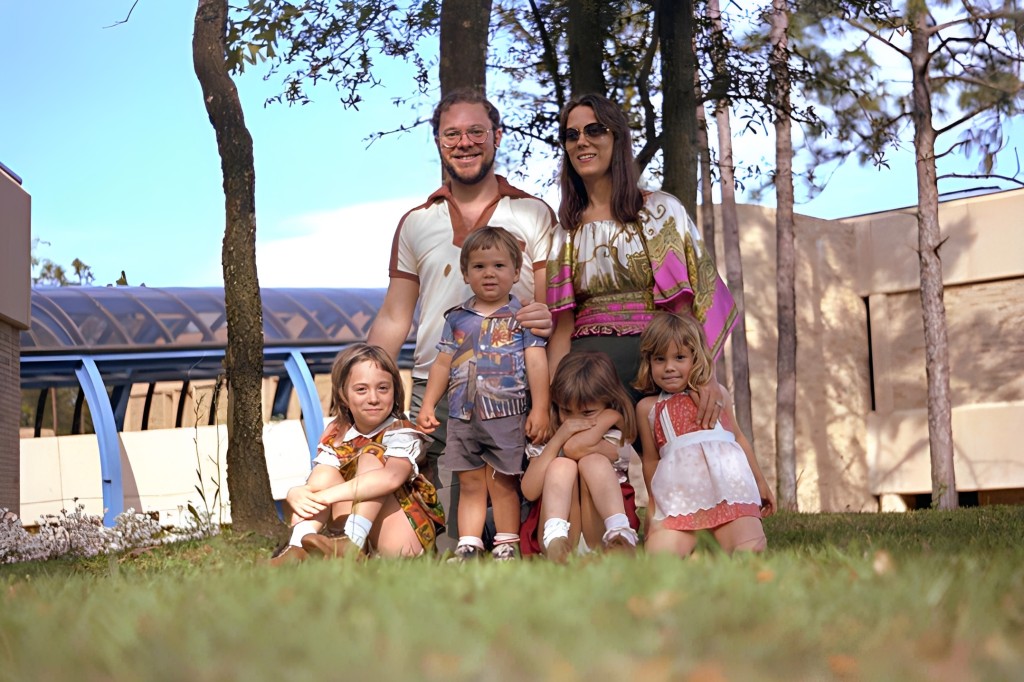
I didn't know it then, but that was a turning point that would make inevitable
the path I would follow for the rest of my professional life.