|
By: Paul S Cilwa |
Occurred: 9/12/1979
Posted: 10/12/2023 |
|
Page Views: 956 |
| Hashtags: #Autobiography |
| And then one I day I went from student to consultant. |
| Estimated reading time: 3 minute(s) (628 words) |
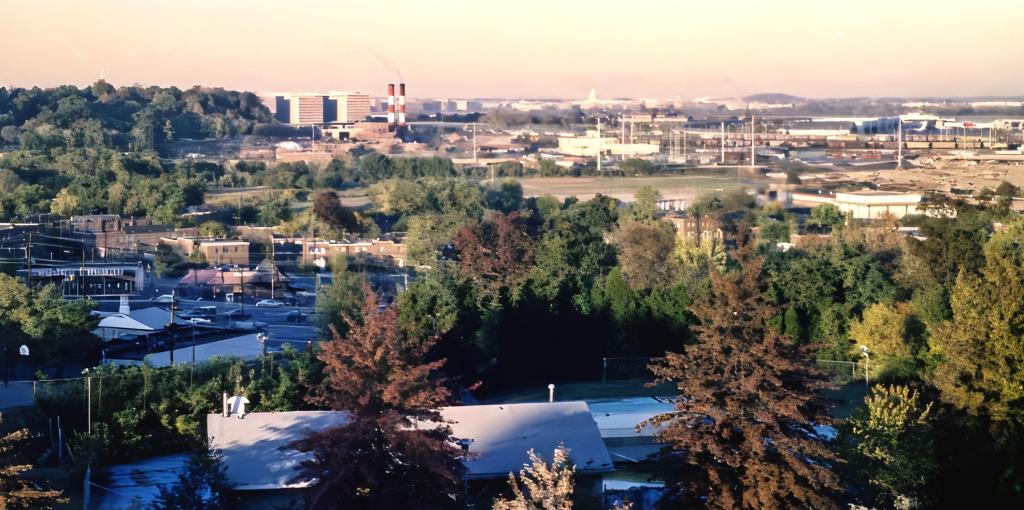
So, now, in September of 1979, I was living in an Alexandria,
Virginia, apartment with Alex and Ray, while finishing up my fourth
and final Co-operative Education term with the Environmental
Protection Agency.
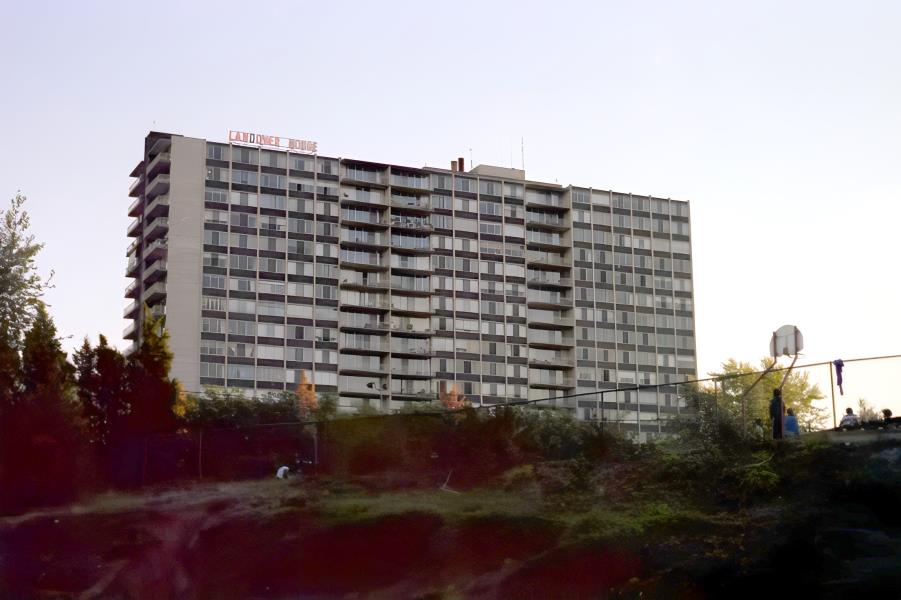
Each morning I would take the subway into town (Washington, DC). (It
was usually more crowded than this, though!)

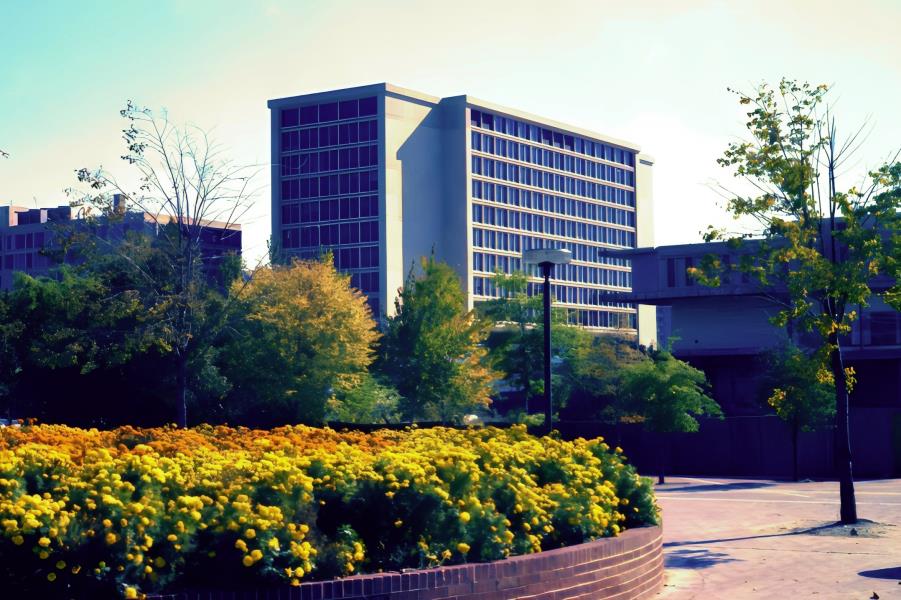
I worked as a co-operative education student at the EPA, as I said;
we were housed in Waterside Mall, into which the EPA had moved
in 1971. I usually
worked in a bullpen office setting with 4 other people. But, one day
at the end of August, a fellow came to teach a class in some advanced
database design.
I asked a lot of questions, as I do. And after the class, the instructor
pulled me aside and said, You ask good questions.
I hope you don't mind,
I replied. I just figure, if we can't ask
questions, why have a class instead of just a textbook?
Well, it turned out the guy owned a little consulting firm called Professional
Micro Systems. Now, I didn't really know what consulting was at the time. But
he explained it.
"In the computer field, a consultant is an independent professional with many
years of experience and broad expertise in the industry, such as me.
They are hired for big-picture objectives and often meet with a business to
devise a plan and achieve the business's overarching goals in the most efficient manner.
Consultants are problem-solvers focused on improving an organization's practices through expert advice.
Sometimes that advice can include bringing in temporary employees, called contractors,
to do the actual work. I'm a consultant, and I have a few projects that I could use you
on as a contractor.
Oh!
I hadn't expected, nor been looking for, a job offer.
I can offer you the equivalent of $20,000 a year,
he continued. Of course,
as a contractor you would be paid by the hour, and I might not have constant work for you.
But you can work anywhere else in between. And—this is key—once you've
got a job for $20,000 annually on your resumé, no one will ever offer you less.
Okay, that was worth thinking over. $20,000 was a lot of money
back then, and as a co-op student, I was making barely half that.
(A salary of $20,000 in 1979 would be equivalent to almost $84,600 today, taking
into account the average inflation rate of 3.33% per year between 1979 and 2023.)
Of course, I hated to abandon my co-op position before the end of the
term. Plus which, I would basically be dropping out of college before
getting my BA in Systems Science.
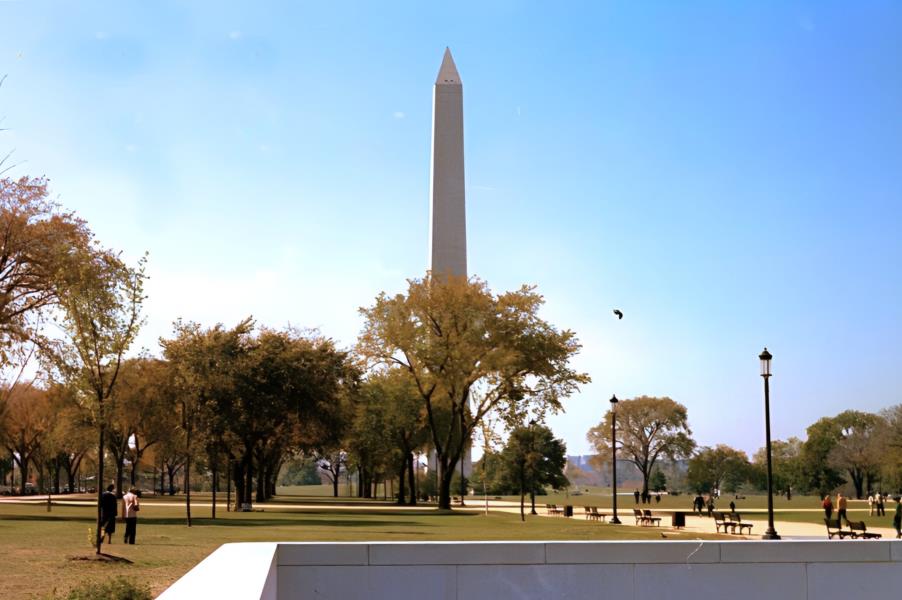
But I loved programming, and I loved working in DC. And that kind of
money would mean I could get Mary and the kids out of that trailer in
Pensacola, and up here, somewhere—not Alexandria!—but
somewhere nice, maybe in Virginia.
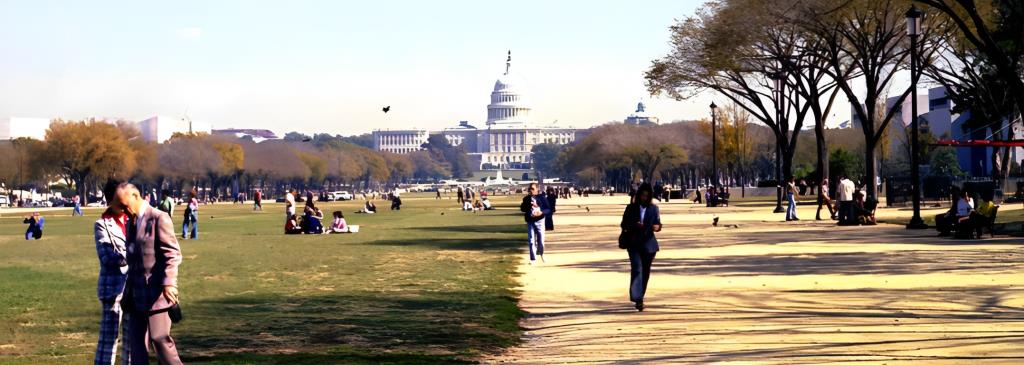
So I did it. I took PMS's job. (And what was he thinking when he picked a name with
those initials?!) I didn't make any other major changes, like sending for the family,
deciding to wait until I actually had made enough money to do that. But my new
career in computers was definitely looking up!