|
By: Paul S Cilwa |
Occurred: 9/1/1980
Posted: 8/3/2025 |
|
Page Views: 228 |
| Hashtags: #Omaha #Nebraska #AppliedCommunications #Tandem #TAL |
| I moved myself and the whole family to Omaha, Nebraska, for Applied Communications, Inc. |
| Estimated reading time: 7 minute(s) (1631 words) |
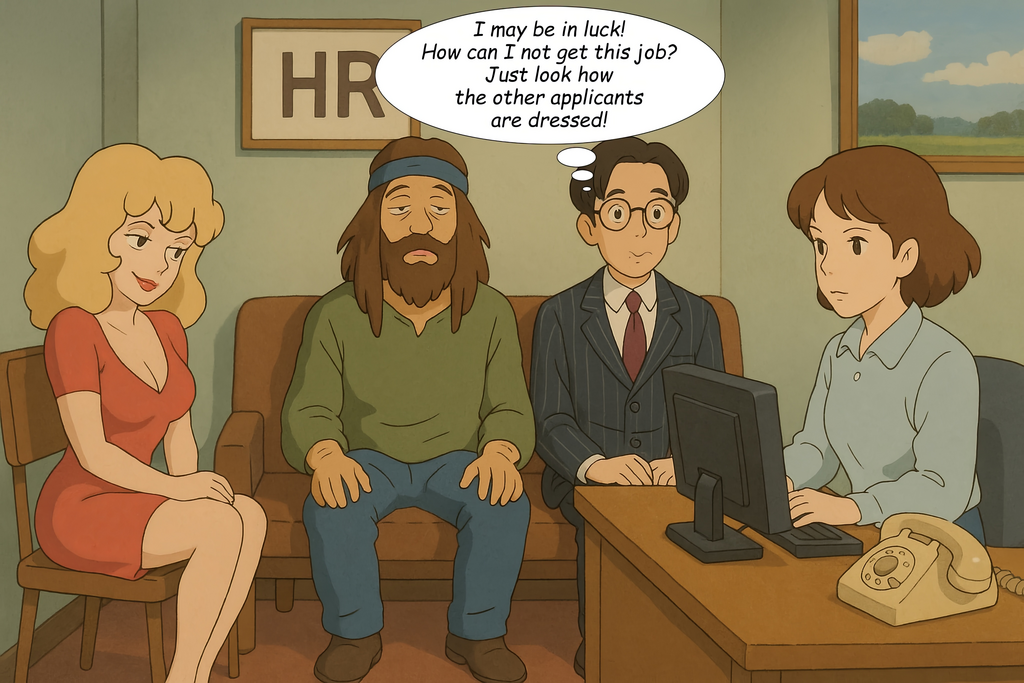
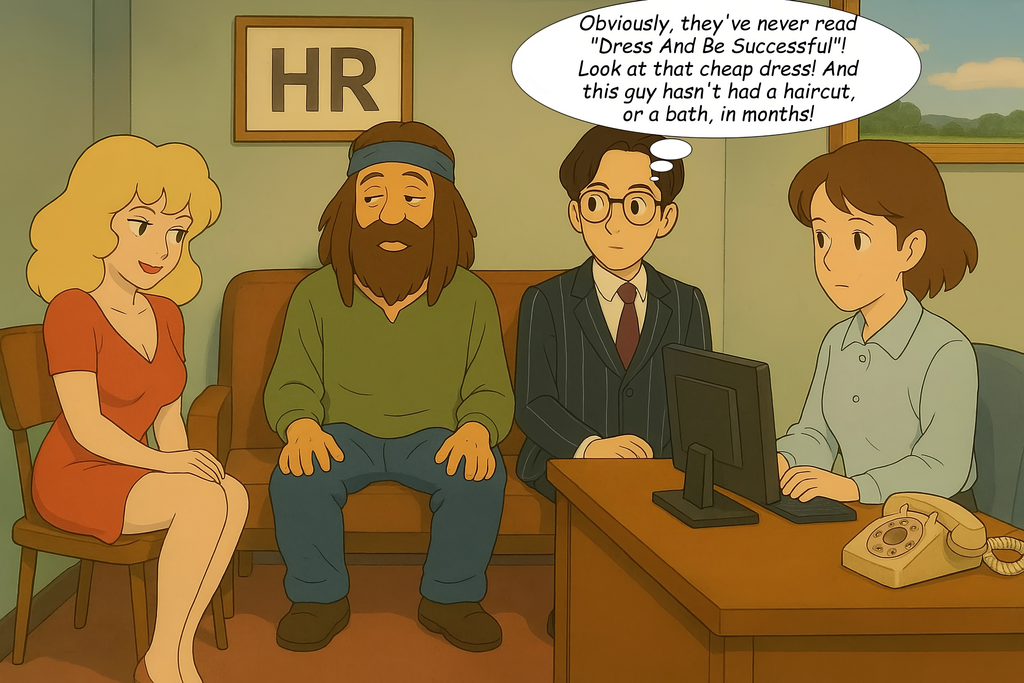
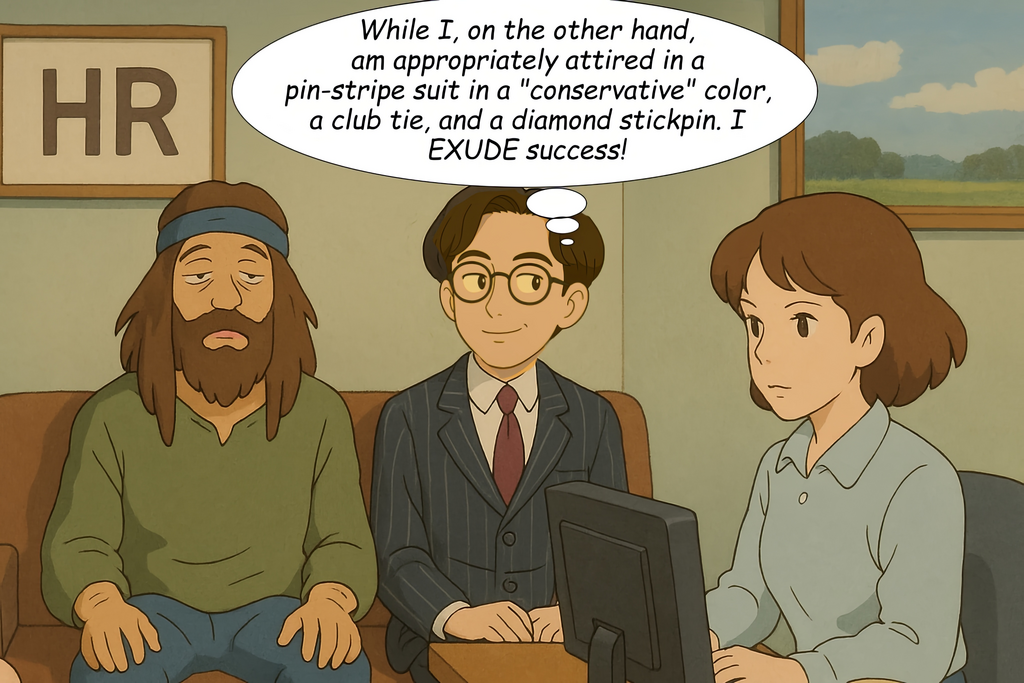
Dress for Success by John T. Molloy was published in 1975. It became a bestseller and helped
popularize the concept of power dressing—the idea that clothing can significantly
influence professional success. Young people such as myself read it and the principles were
easy to grasp. However, what the book never said—probably because it was written before
minicomputer programming became a thing—was that computer programmers, and other artists,
don't follow the same rules. Programmer culture was very different than traditional workplace culture.
Applied Communications, Inc. (known to us as ACI) modelled itself after Apple Computers. So,
the soda machine in the breakroom offered cans of soda for free. And there were open bottles of
wine in the fridge there. And paper cups.
I've never been a drinker, but after I started working there I did find that, sometimes, when
overthinking a bit of logic, a cup of wine can actually help the brain relax enough to break
through and get the programming done.
On the other hand, one of the managers who worked there overdid it and was pretty much sloshed all the
time, until Jim cut him off. But that's all it took: Jim told him to quit day drinking, or else, and he did.
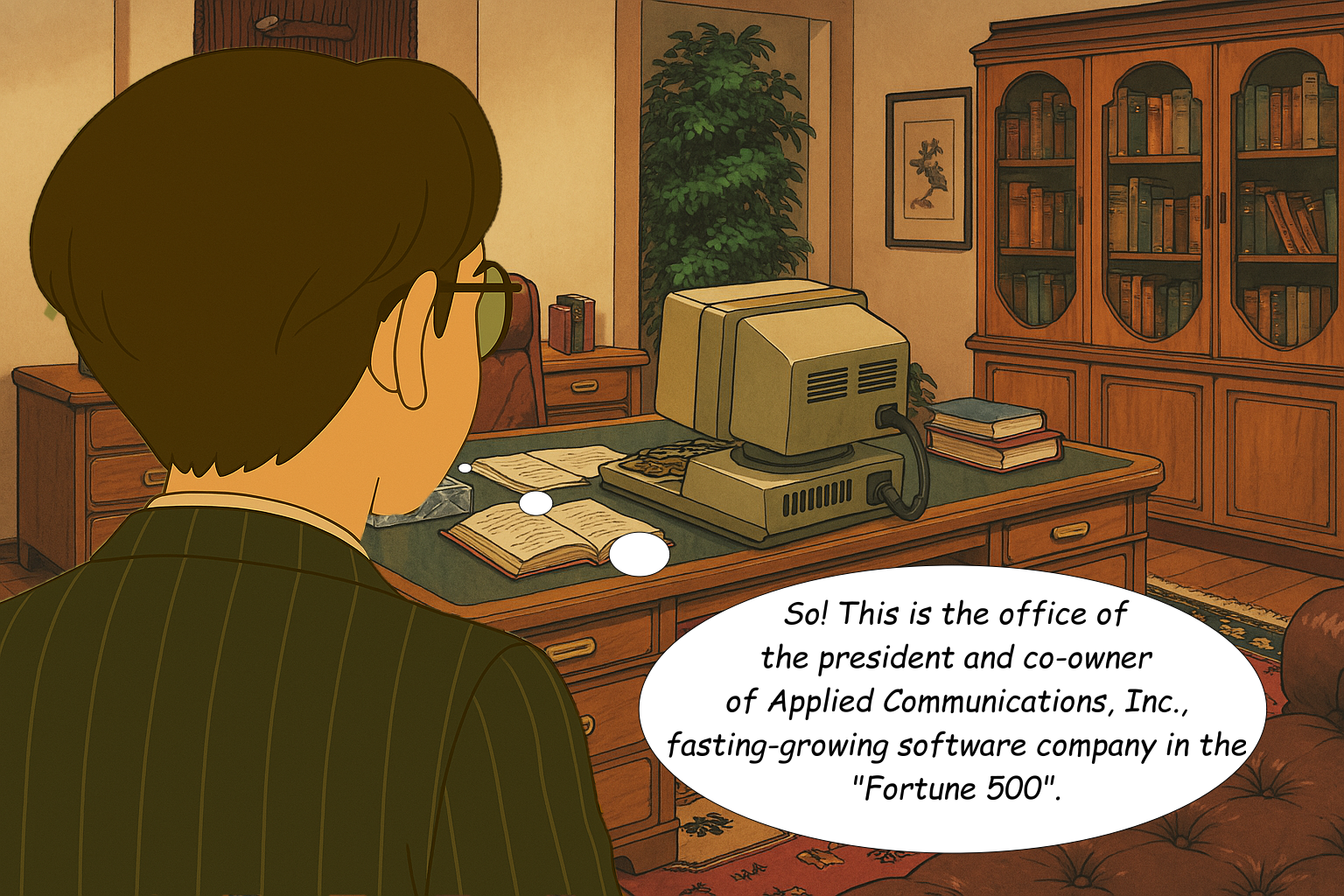
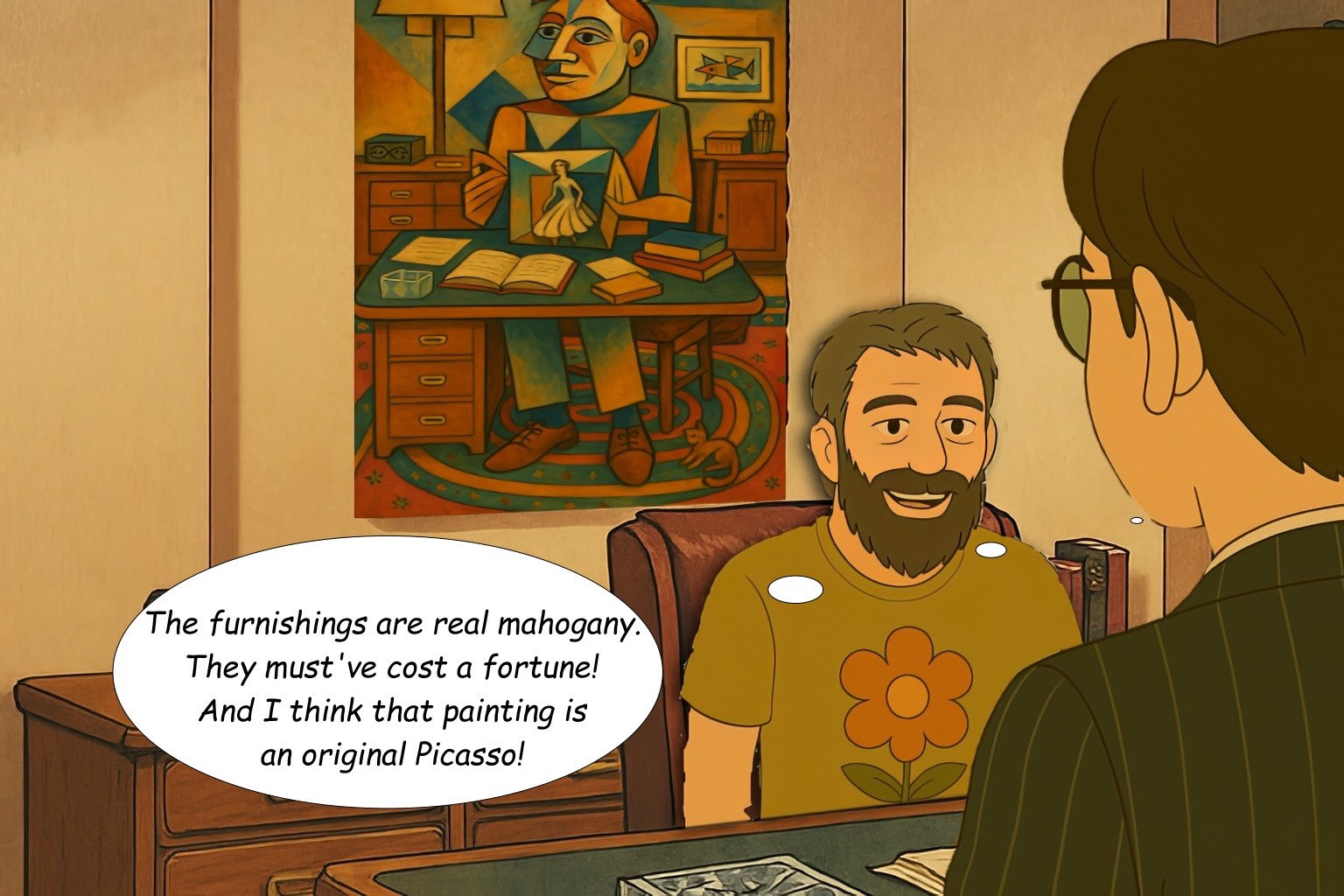
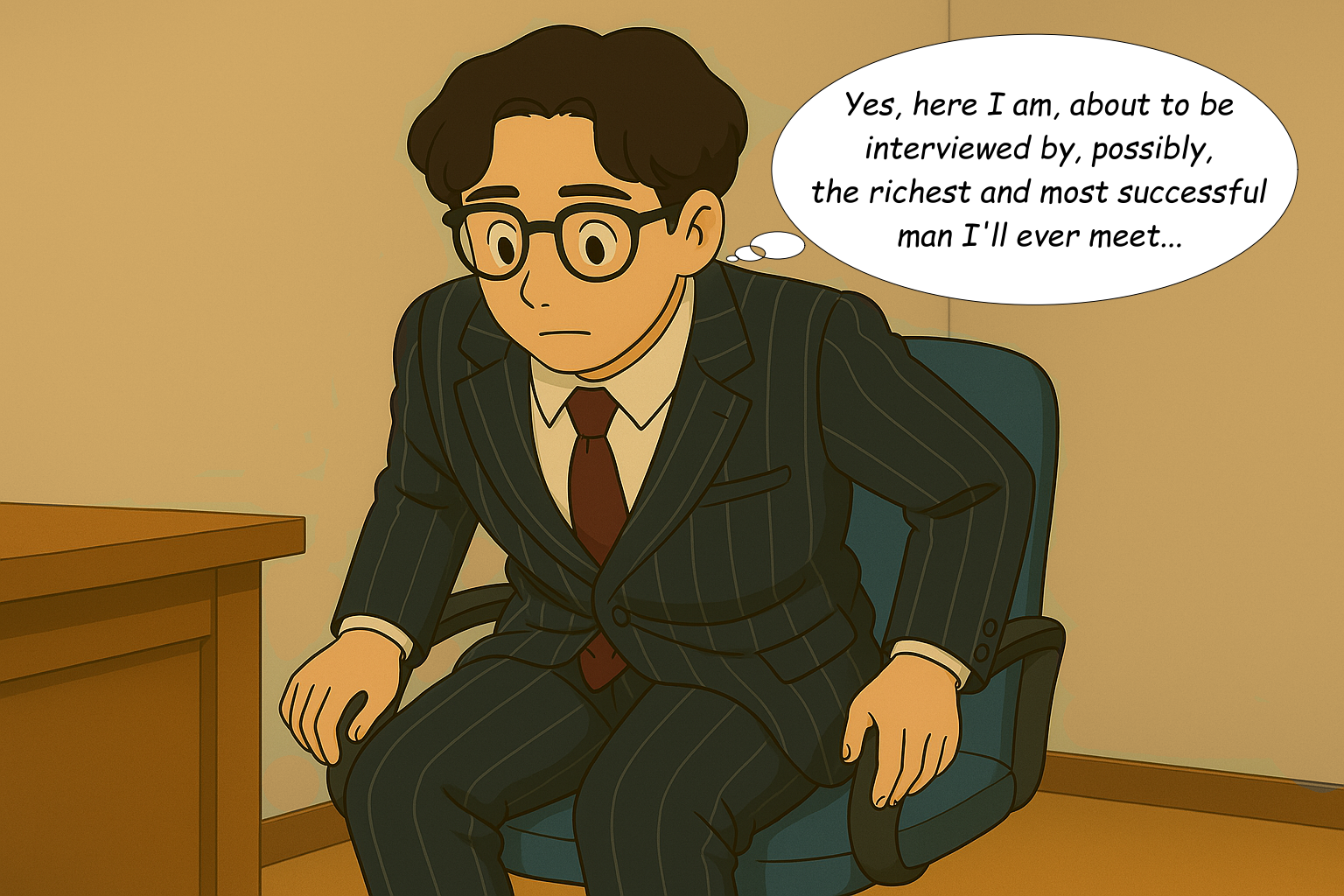
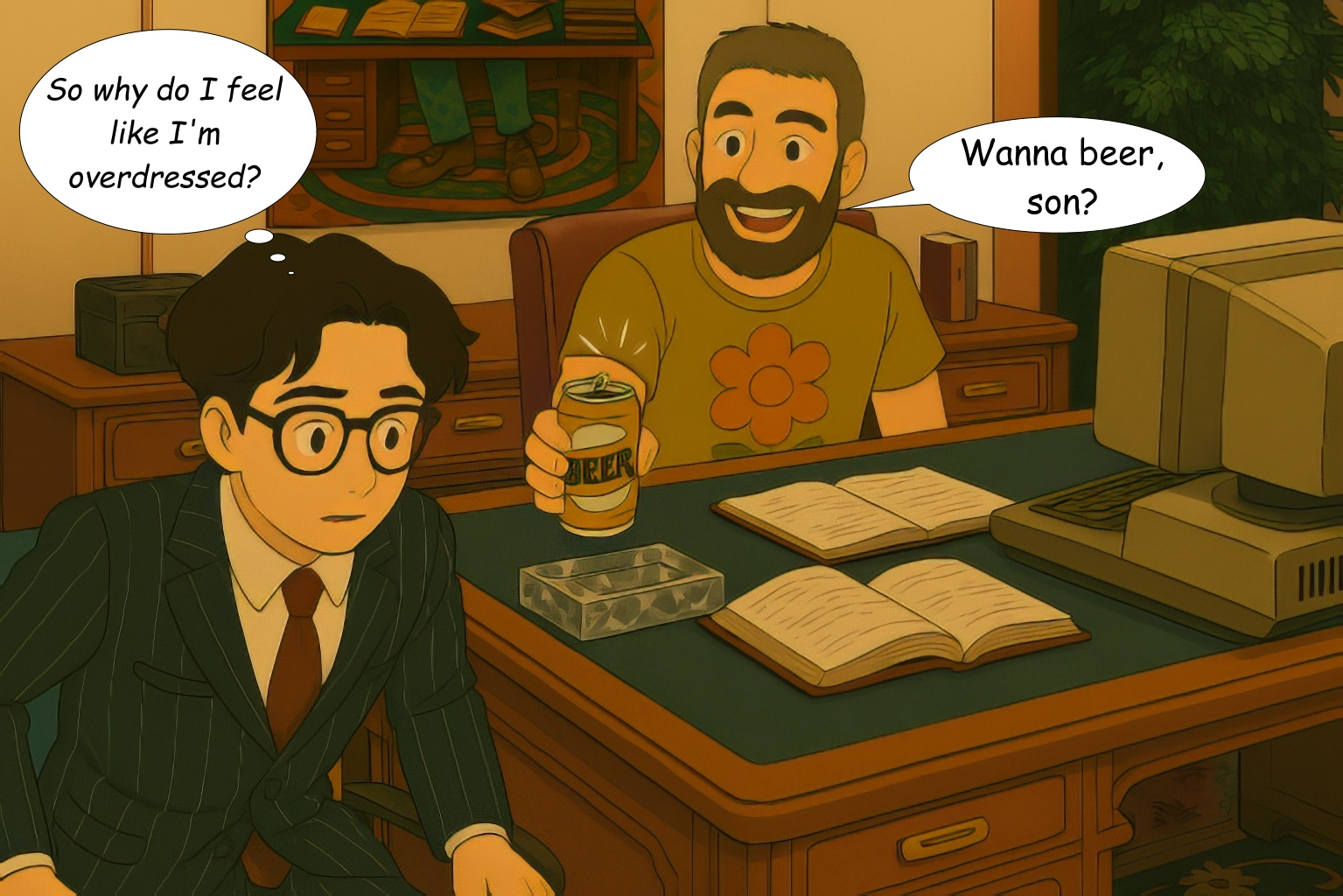
They hired me because I already had Tandem computer experience. Tandems were unique among computer architectures
in that it was designed to be "non-stop". Tandem Computers were groundbreaking because of their NonStop technology,
which made them virtually immune to downtime. Tandem built systems using multiple independent processors,
each with its own memory and storage. This is called a "shared-nothing architecture." Instead of relying on
a central memory or bus (which could become a single point of failure), these processors communicated by
sending messages across a reliable internal network. If one processor failed, another could instantly take
over without interrupting the system. Critical processes were mirrored: a backup copy ran in parallel and
stayed in sync through checkpointing, so it could seamlessly take over if needed. Even disks and controllers
were duplicated, allowing the system to keep running even if hardware failed.
This design made Tandem ideal for high-stakes environments like banks, stock exchanges, and emergency
systems—anywhere uptime was non-negotiable. And even though I'd been "laid off" from GTE Telemail,
I still possessed the knowledge of Tandem computers I'd gotten there. This was, at the time,
a valuable skill. Tandems were really taking off, so my six months (minus one day) at Telemail
had provided me, not only with a marketable talent, but seemed to actually propel me in that niche
direction. (And, indeed, most of my subsequent jobs involved working with Tandems.)
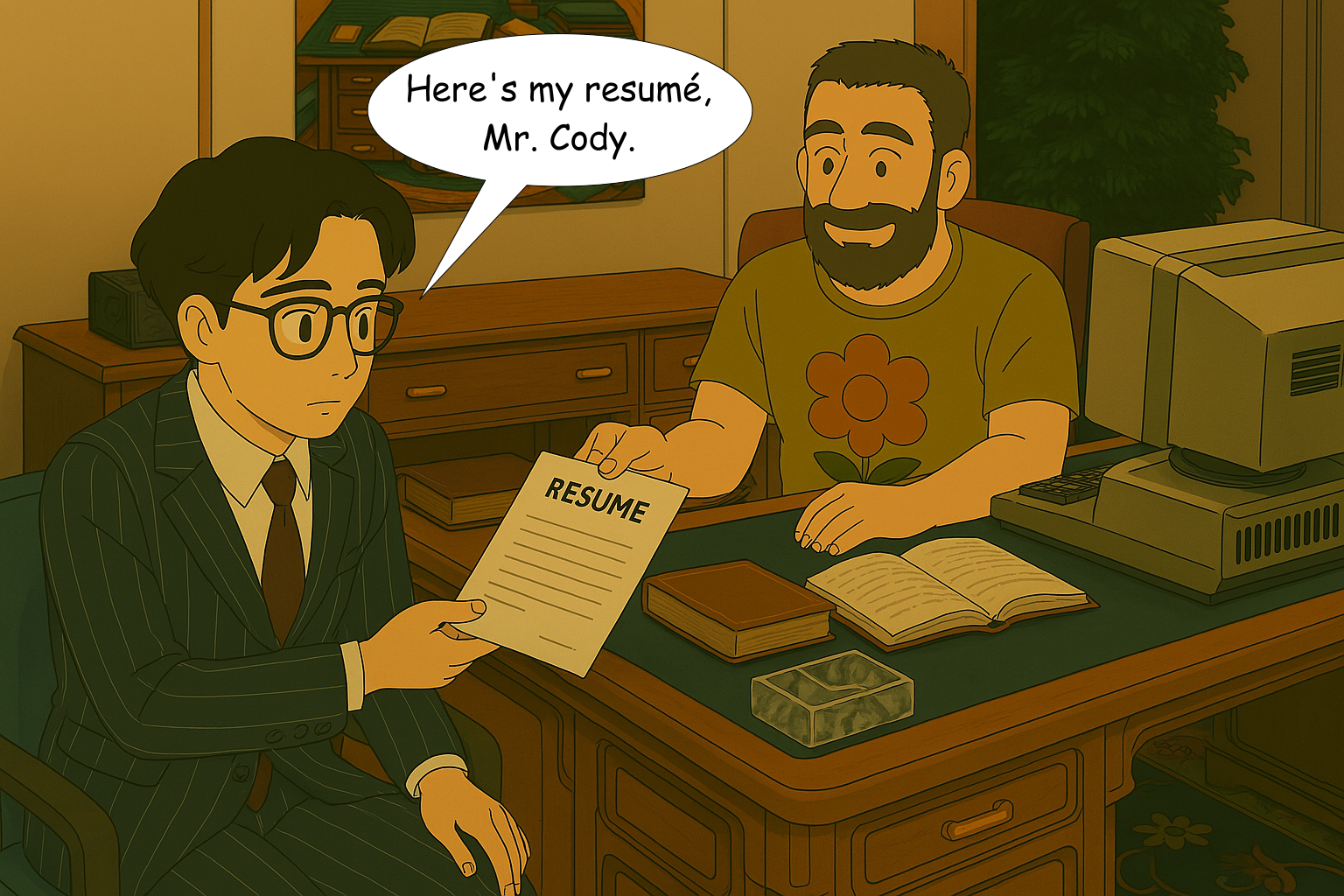
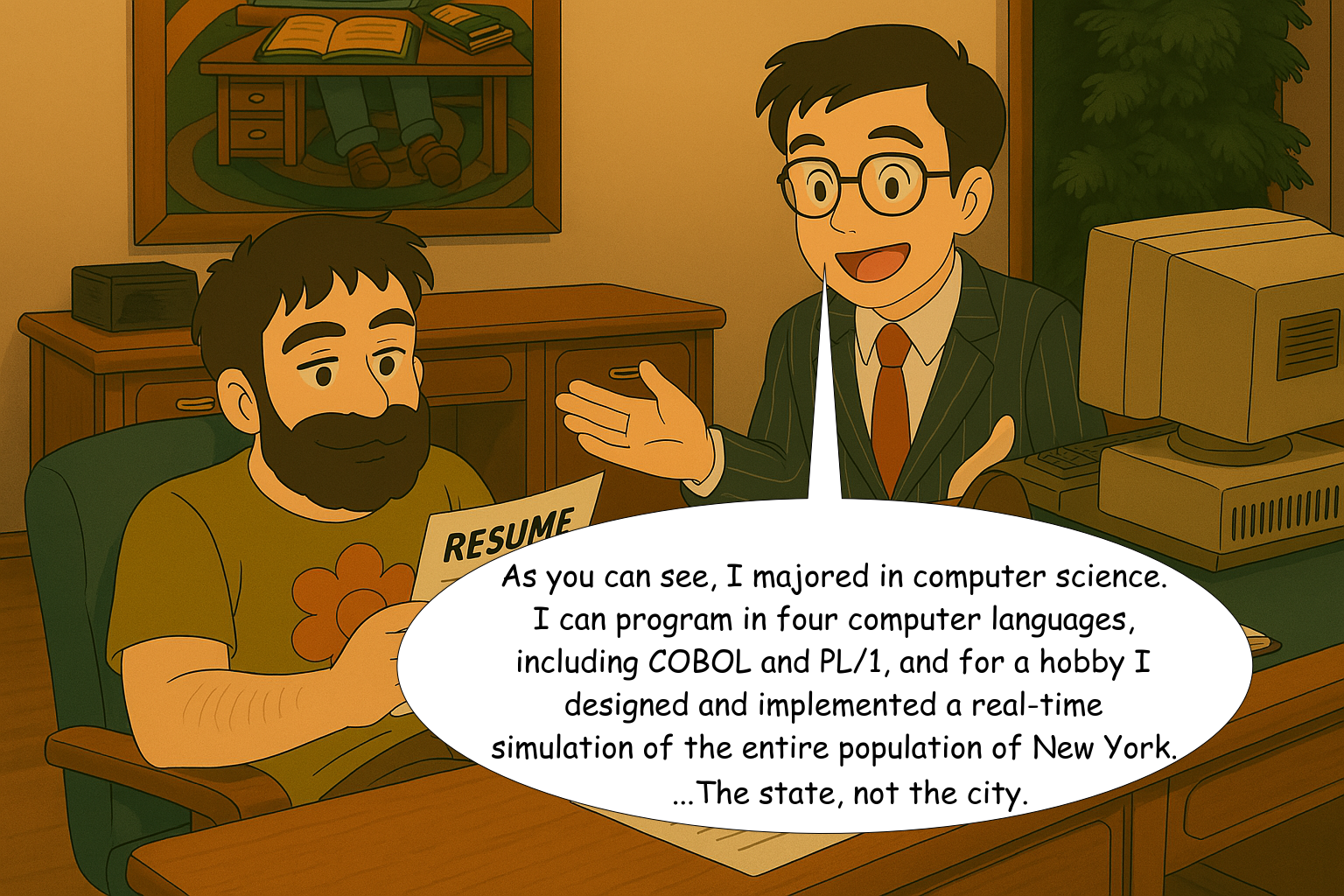
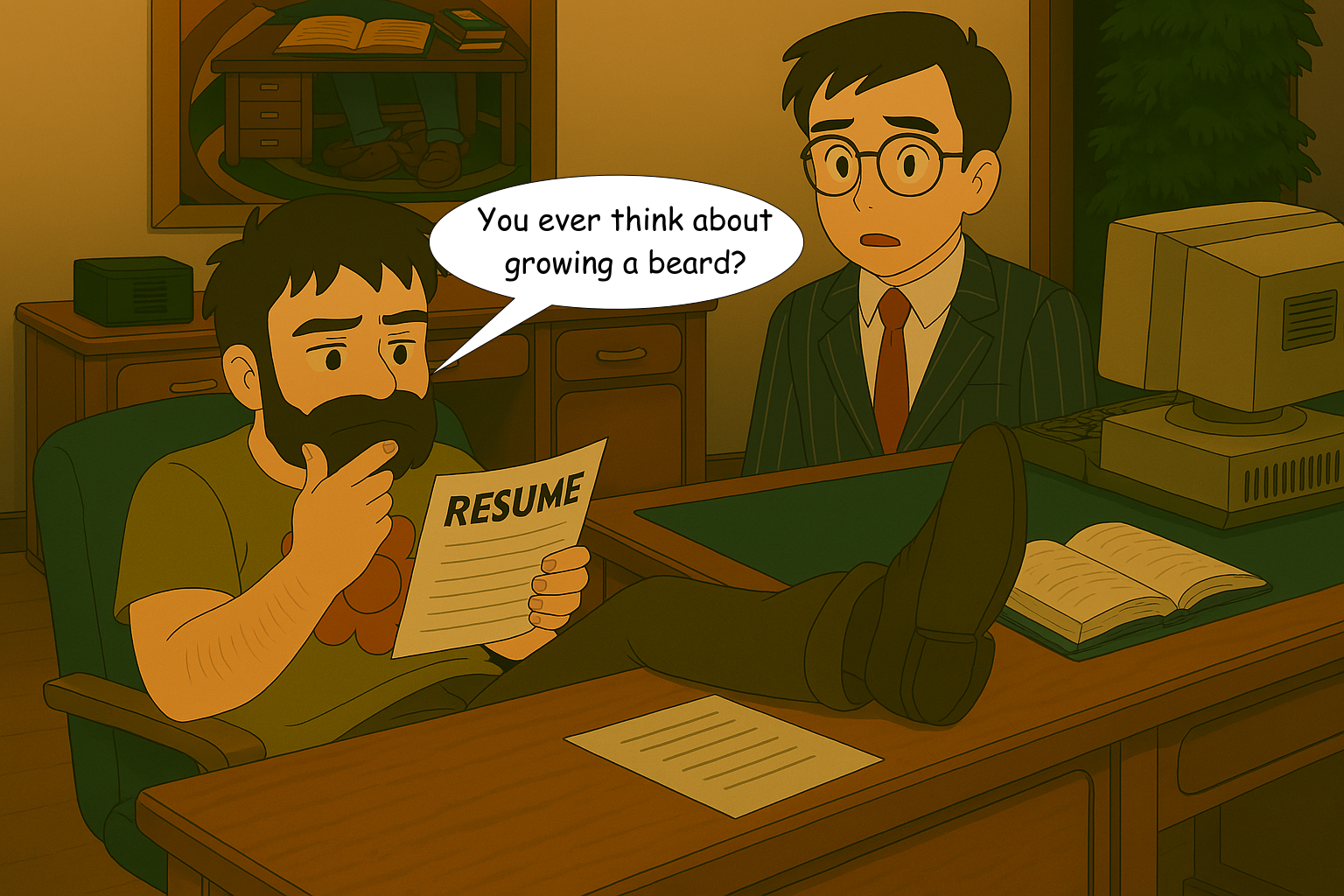
So, I got the job.
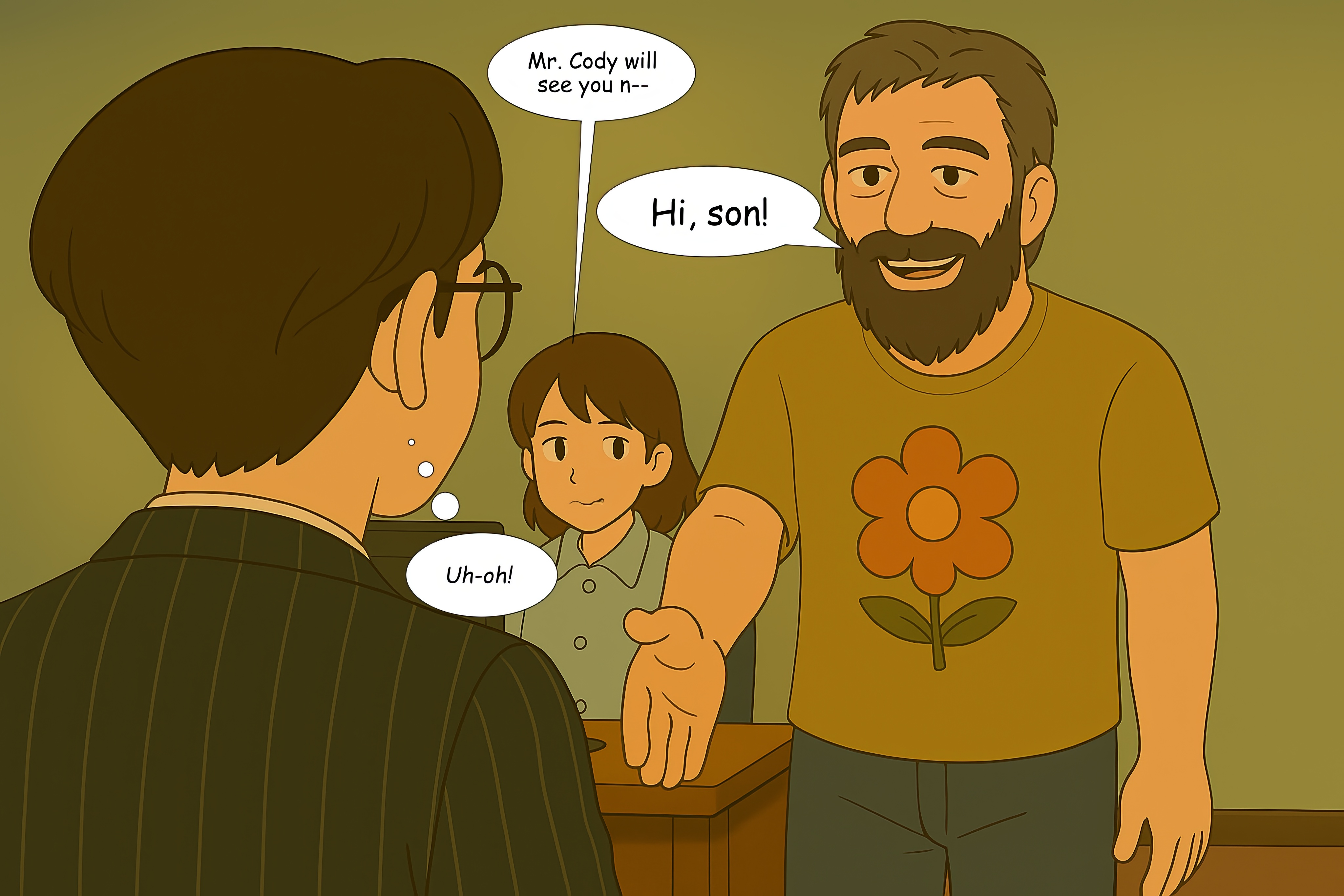
And Jim wasn't the only person there who hadn't read Dress For Success. In fact, pretty much everyone
who worked there was what my Mom would have called "a character". But they were also nice people and
very competent at their jobs.
For the most part.
I made arrangements for an apartment and had Mary and the kids fly out from Dulles Airport.
It was a basic apartment; it didn't have a pool but then Omaha winters wouldn't make one
practical.
One night, after everyone else had gone to bed but I was reading, the phone rang. I picked it up.
A breathy voice at the other end said, "I can see your wife right now, and I'm going to come over
and fuck her."
Wow! This was my very first obscene phone call. I mean, I'd heard of such things,
but I'd never actually received one before.
I should also mention that I didn't for one moment think the caller could actually "see"
my wife, or that he'd have any idea where I was located. (Phone books, a list of everyone
by name, with phone numbers and addresses, were published in the spring, and so I knew
I was anonymous.) So I figured I'd play along.
"And what are you wearing?" I asked.
He hung up, and I never got another obscene phone call.
Someone I did get calls from was a fellow named Les. Les had a thick, bushy beard
notable for serving as a visible reminder of everything he'd eaten in the past few days.
He had a habit of calling me, but would then make me carry the weight of the
conversation. And the calls would usually start like this:
And then, silence, until and unless I said something.
We worked on several projects together, and Les had a programming habit
that drove me crazy. See, in the early days of programming, many computer
languages used the starting column of a line of code as a significant
part of the syntax. So, even in languages (like TAL) that did not,
it was common practice to use indentation to help clarify the code.
For example, I might write something like this:
PROC Main;
BEGIN
  INT i;

  FOR i := 1 WHILE i <= 10 DO
    CALL PrintNumber(i);
    i := i + 1;
  END;
END;
Les, on the other hand, didn't seem to understand that indentation of code
blocks makes them a lot easier for humans to understand, even when it doesn't
matter to the computer. So he might type:
PROC Main;
BEGIN
INT i;

             FOR i := 1 WHILE i <= 10 DO
           CALL PrintNumber(i);
i := i + 1;
                       END;
                             END;
This was a technique I called "indentation by whim" but it truly resulted in
unreadable code and I wound up with the job of "fixing" that. The result was
the first of several code and text formatters I've written. While at ACI,
I wrote TSCRIPT, a text formatter aimed at helping us produce documentation.
(IBM had a similar program called SCRIPT, but of course it only ran on IBM
computers, not Tandems.) ACI had no interest in maintaining a text formatting
program, so I wound up giving it to the Tandem User Group's TUGLIB, where
it was used for years afterwards—basically, until dedicated word
processors, and then personal computers, came along.
Les had a girlfriend, and a baby, in Chicago. He wanted to marry the girlfriend and
to be a dad to their child, but she clearly wasn't interested in maintaining the
relationship. Nevertheless, one day Les quit ACI and moved back to Chicago.
And guess who was assigned to take over his weirdly-indented projects? Yeah, that'd be me.
And then there was Al Headly. Al was a nice enough guy, and an okay programmer.
But he was also clinically depressed; and his psychiatrist had prescribed
regular doses of lithium, used back then (and maybe still) to improve mood.
Unfortunately, a side effect was weight gain; and Al was definitely expanding
towards the chubby side. But at least he wasn't depressed!
In fact, he felt pretty good about himself. He felt so good about himself,
in fact, that he decided to quit taking the lithium in order to "lose weight".
And lose weight he did, by blowing off his head with a shotgun,
in the hallway of his girlfriend's apartment.
Guess who was assigned to take over his projects. Yeah, again me.
But, though it took place after I, myself, had left ACI—Jim Cody's
afterstory takes the cake.
He'd already been on the cover of a national magazine as an "up-and-coming" CEO.
Then, according to what I was told, he'd gotten really "high on cocaine" and
had held off police at the bottom of his stairwell with an arsenal of guns,
for which he was convicted.
He left ACI and moved to Tennessee where, in 2009, law enforcement officers in Morristown
executed a search warrant at Cody's residence. They discovered over 100 firearms—rifles,
shotguns, and handguns—stored in gun safes and a shed. Cody, who was still on probation
for his stairwell convictions, admitted to buying and selling guns to "put food on the table,"
which is, of course, illegal for a convicted felon.

Of course, I was friends with "normal" people, too. Bob Sanders was probably my best friend
there; he met my family and was friends with them as well. Bob wore his hair
"feathered" (a popular 1980s' style) and my little son, John, admired his so that
he insisted on getting his hair cut the same way.
So, yes, my time at Applied Communications was wild and wooly and wonderful.
And for the next year I worked at a job I enjoyed, with people I enjoyed.
And then the job sent me to California.