|
By: Paul S Cilwa |
Occurred: 12/1/1984
Posted: 1/30/2026 |
|
Page Views: 245 |
| Hashtags: #Autobiography #ProvidenceHospital |
| That time I worked in the Morgue. |
| Estimated reading time: 4 minute(s) (715 words) |
My headhunter—who operated with the cheerful ruthlessness of a Vegas bookie—called me
before I'd even made it home. Got something for you,
she said, as if she'd been waiting for
NASD to sneeze. Hospital gig. Short contract. Starts Monday.
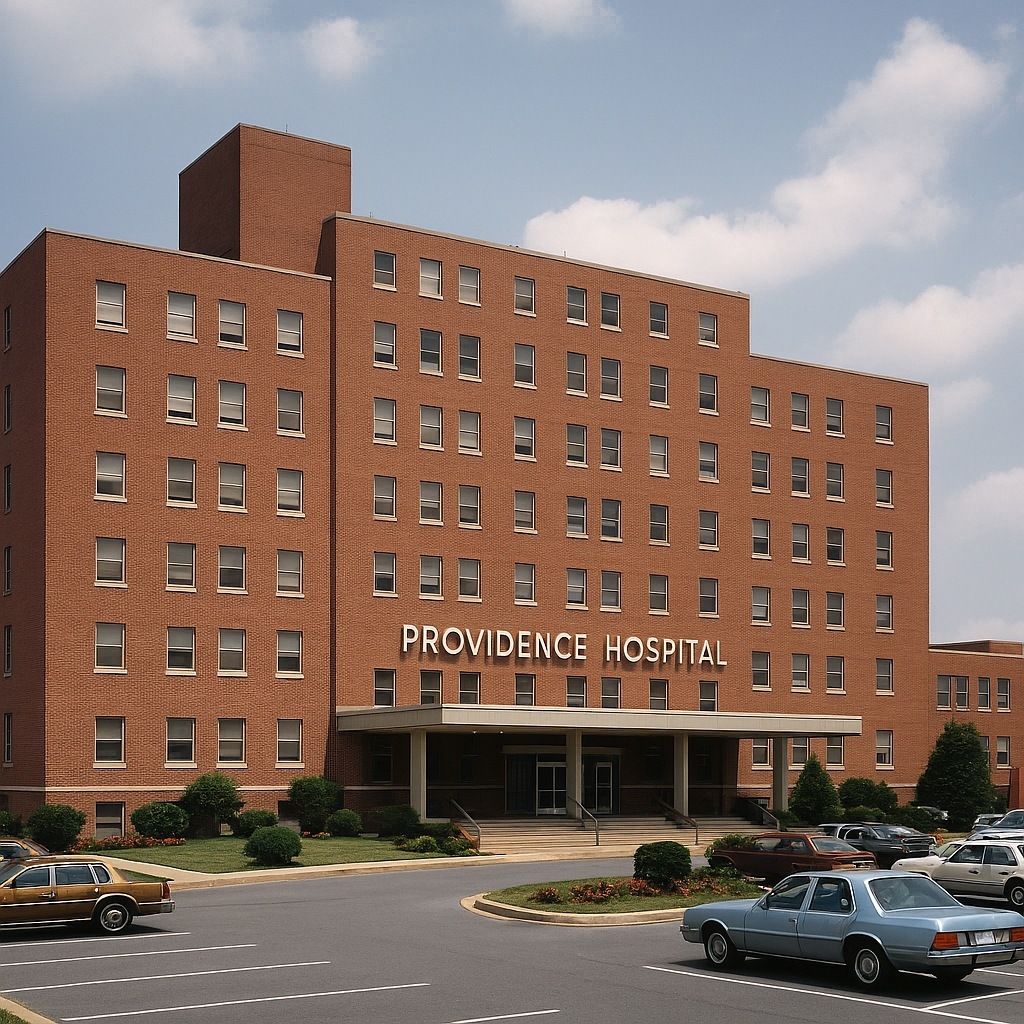
And just like that, I was headed for Providence Hospital, a Catholic institution with a long,
earnest history of healing the sick, comforting the afflicted, and—apparently—hiring
Tandem programmers on short notice. Founded by the Daughters of Charity, it had the kind of
architectural gravitas that suggested it had seen everything and judged most of it
with narrowed eyes.
I wasn't there for the history. I was there because I spoke TAL (the Tandem Application Language).
The commute from Reston was a study in marital logistics. Mary would drive me to the nearest Metro
station, which in those days was still being constructed, so we had to drive halfway to Washington
to catch it. She'd drop me off with a kiss and a look that said, You're going off to have
fun all day while I have to stay home with the kids.
From there, I rode the Metro the rest of the way—past stations that
smelled faintly of brake dust and bureaucracy—until I emerged somewhere near the hospital,
blinking like a mole dragged into daylight. (To be honest, I generally slept most of
the ride, as one might expect of someone with undiagnosed sleep apnea.)
My new office was in the basement. Of course it was.
It was cold, damp, and smelled faintly of
disinfectant and old secrets. I wore a jacket over my Hawaiian shirt, which was one of the few
perks of working underground. No one cared what I wore, because no one ever came down there. The
Tandem system itself lived in a separate room, humming away like a contented refrigerator. I had a
cramped little office with a terminal, a desk, and just enough space to turn around if I inhaled
first.
Every hour or so, I'd step into the hallway to stretch my legs and remind myself that
circulation was a thing humans were supposed to have.
The hallway always had a gurney or two parked along the wall. They were like stray cats—never
the same ones, always appearing and disappearing without explanation. I never saw anyone move them.
They simply…migrated.
I didn't think much of it. Hospitals have gurneys. Basements have storage. Life goes on.
My chair was a medieval torture device disguised as office furniture, so occasionally I'd take a
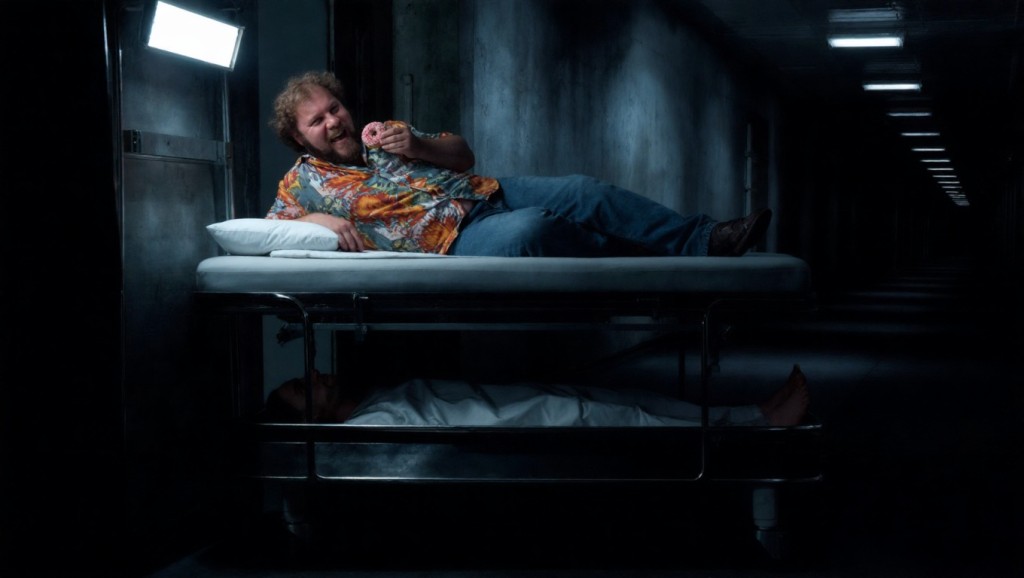
break by lying on one of the gurneys. They were surprisingly comfortable, in a utilitarian,
institutional sort of way. One afternoon, after a particularly tedious debugging session, I closed
my eyes just for a moment.
That's when the gurney moved.
I shot upright. The nurse pushing it screamed. I screamed. The gurney, to its credit,
remained professional.
Once she recovered, she informed me—sternly, and with the authority of someone who
had seen far too much—that my office
was next to the morgue. The gurneys in the basement,
she explained, usually had deceased patients wrapped in sheets on the lower shelf, waiting to
be taken downstairs.
I looked down. There was, indeed, a sheet-covered shape beneath me.
I decided I no longer needed to lie on gurneys.
The contract lasted a month. A long month. A month in which I learned more about hospital
logistics, basement airflow, and the quiet dignity of the recently departed than I had ever
intended.
But it gave me something valuable: hospital experience. Suddenly I was the Tandem guy who
had worked in a hospital,
which opened doors to more hospital contracts. Apparently, once
you've coded TAL within twenty feet of a morgue, you're considered seasoned.
But ya know, to this day, if I'm in a hospital or emergency room and someone tells me to lie
on a gurney, I check underneath first.