|
By: Paul S Cilwa |
Posted: 3/28/2023 |
|
Page Views: 935 |
| Hashtags: #Autobiography #Laminectomy |
| Going gracefully under the knife. |
| Estimated reading time: 2 minute(s) (378 words) |
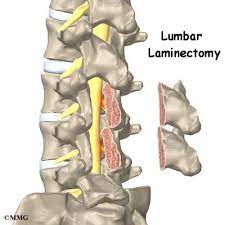
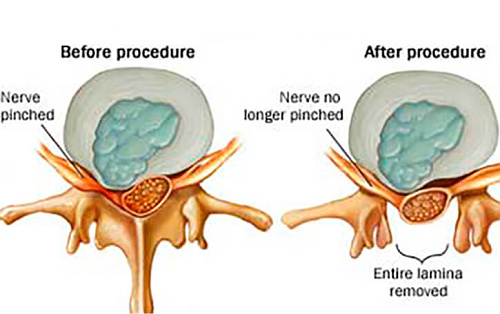
A laminectomy is a surgical procedure that involves the removal of a portion of the
vertebral bone known as the lamina. This procedure is often used to treat lumbar
spinal stenosis, a condition in which the spinal canal narrows, putting pressure
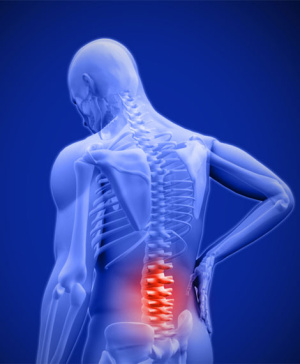
on the spinal cord and nerves. The narrowing of the spinal canal can lead to pain,
weakness, and numbness in the lower back, legs, and feet.
During the procedure, I'll be placed under general anesthesia, after which the surgeon
will make an incision in the lower back to access the spine. The surgeon will then
remove a small portion of the lamina, which creates more space in the spinal canal
and relieves the pressure on the spinal cord and nerves. In some cases, the surgeon
may also remove part of the vertebral bone or the spinal disc to further relieve
pressure on the nerves.
After the procedure, I may need to stay in the hospital for a few days to be monitored
and to receive pain medication. Most patients are able to return to normal activities
within a few weeks, although strenuous activities may need to be avoided for several months.
Laminectomy is a common and effective treatment for lumbar spinal stenosis, but like
any surgical procedure, it does carry some risks. The risks associated with laminectomy
include infection, bleeding, nerve damage, and spinal fluid leakage. However, these
risks are relatively low, and most patients experience significant relief from their
symptoms after the procedure. Fingers crossed, I'll be one of them!