|
By: Paul S Cilwa |
Posted: 1/11/2024 |
|
Page Views: 521 |
| Hashtags: #Autobiography |
| Smile, and the whole world smiles with you. |
| Estimated reading time: 4 minute(s) (786 words) |
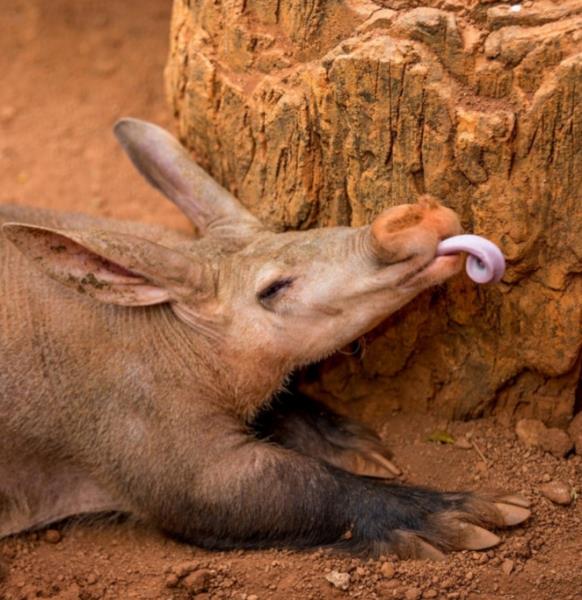
Anteater
Biologically speaking, smiles are contagious due to a combination of neurological and
psychological processes. When we see someone smiling, our brain's mirror neurons
activate,
which are responsible for mimicking the actions of others. This mirroring effect
allows us to empathize and understand the emotions of the person smiling. As a
result, we often unconsciously replicate their smile, which in turn can trigger the
release of neurotransmitters like dopamine and endorphins in our own brain, making us feel happier.
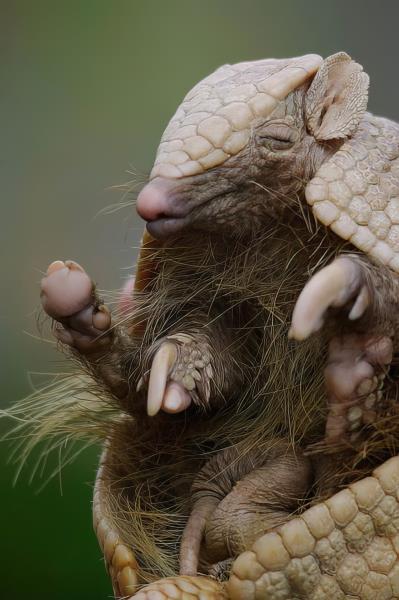
Armadillo
Additionally, the orbitofrontal cortex, a region of the brain associated with sensory rewards,
is activated when we see someone smiling. This activation gives us a sense of reward, which feels
good and often leads to us smiling in response. This contagious nature of smiling is a social
tool that helps build connections and communicate positive emotions, reinforcing social bonds and
cooperative behaviors within groups.

Baby Beaver
But here's the thing: All mammals smile, and seem to do so for the same reasons we
do: in reaction to feelings of happiness, joy and/or contentment. Smiling is a universal
expression that involves specific muscles in the face being activated, particularly the
zygomaticus major and minor, which pull the corners of the mouth upwards. And all mammals
share the same muscles in the same configuration and wired in the same way to the same parts
of the brains. And it's a feedback loop: The muscles are activated when the brain feels happy;
and when the muscles are activated, they make the brain feel happy. That's the
science behind the truism that smiling intentionally when sad can lift one's mood.
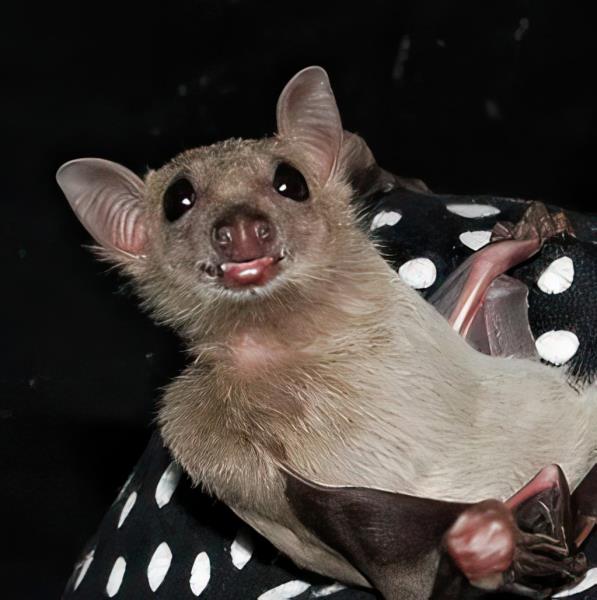
Bat
Upon receiving these signals, the brain responds by releasing endorphins from the pituitary
gland and the hypothalamus into the bloodstream. Endorphins are opioid peptides that act
as neurotransmitters, often referred to as the body's natural painkillers. They are
released during various emotional states, including stress, exercise, excitement, pain,
love, and of course, when smiling. The release of endorphins leads to a feeling of
well-being and happiness
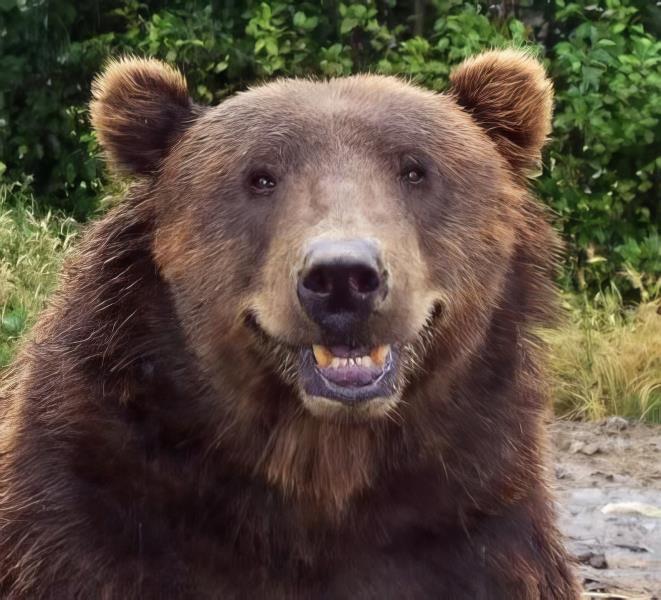
Bear
The concept of universal
in the context of smiling among mammals suggests that this
behavior has deep evolutionary roots, likely tracing back to the earliest mammals. The
fact that many mammals exhibit some form of a smile-like expression, not just us primates,
indicates that the behavior evolved as a means of communication and social interaction
early in mammalian history.
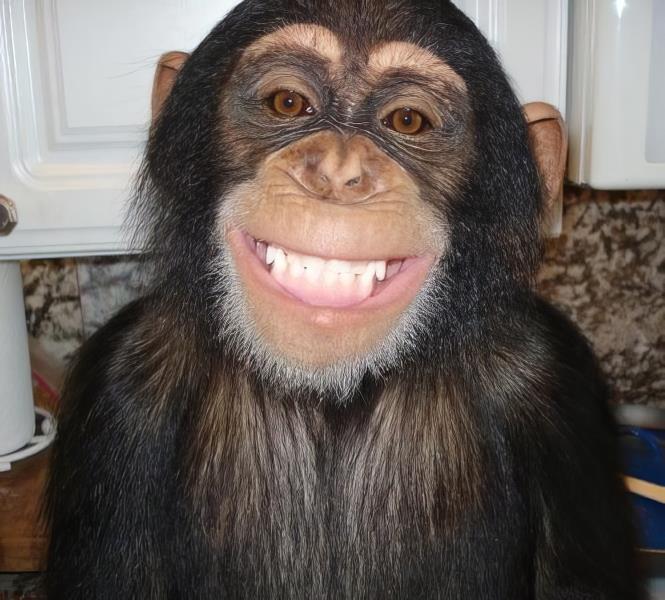
Bonobo
In primates, for example, baring teeth is not always an aggressive gesture but can
be a sign of submission or non-aggression, which is believed to be a precursor to
the human smile. This behavior is instinctual and does not require learning, as even
blind individuals display smiles in appropriate social contexts, demonstrating that
it is a preprogrammed behavior.
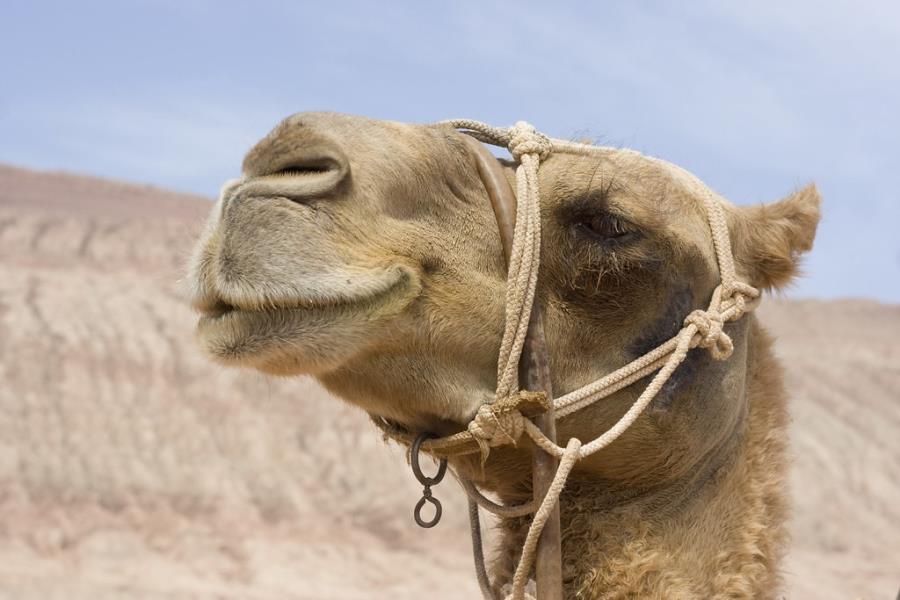
Camel
The evolution of smiling in mammals is complex, but it is clear that the behavior has
been conserved and adapted for various purposes throughout mammalian evolution.
Smiling, as we understand it in humans, may have evolved from these earlier forms
of tooth-baring as a way to express non-aggression and to foster social bonds.
This adaptation would have been advantageous for early mammals, promoting group
cohesion and communication, which are essential for survival.

Cat
Furthermore, the similarity between smiling and other facial expressions related to
defensive reflexes, such as laughter and crying, suggests that these expressions may
have originated from common protective behaviors. Over time, these expressions could
have been co-opted for social signaling, further supporting the idea that smiling has
a long-standing evolutionary history among mammals.
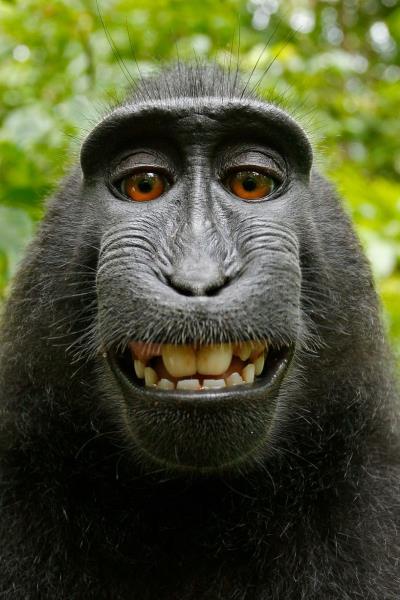
Celebes Crested Macaque
And please let's not get into the falsehood that, It's not really a smile; it's
just the way their mouths are shaped.
In response I present two dolphins, one of
whom is not smiling.
In summary, the universality of smile-like expressions among mammals points to an
evolutionary origin that predates the diversification of modern mammal species.
This shared trait among mammals underscores the importance of facial expressions as a
fundamental aspect of social behavior and communication in the animal kingdom.
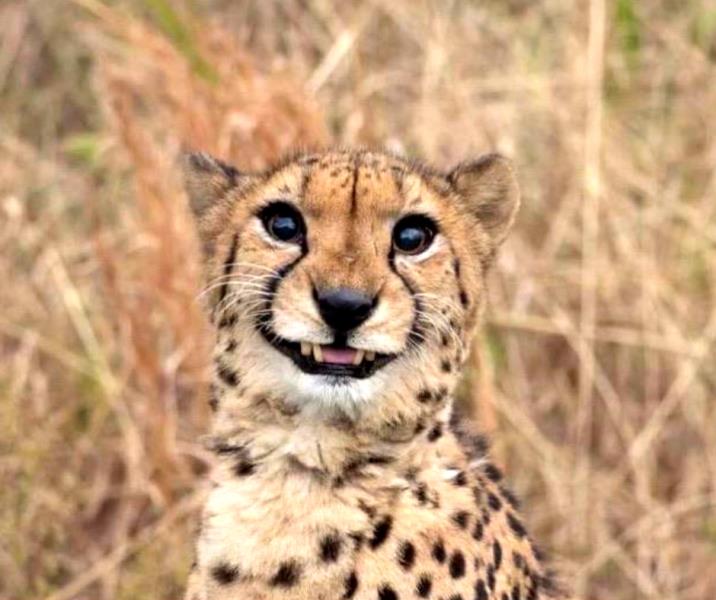
Cheetah
So, check out the additional examples I've culled from the Internet (plus
a picture of my own dog, Ella). Try not to smile when you see them!
You can't!
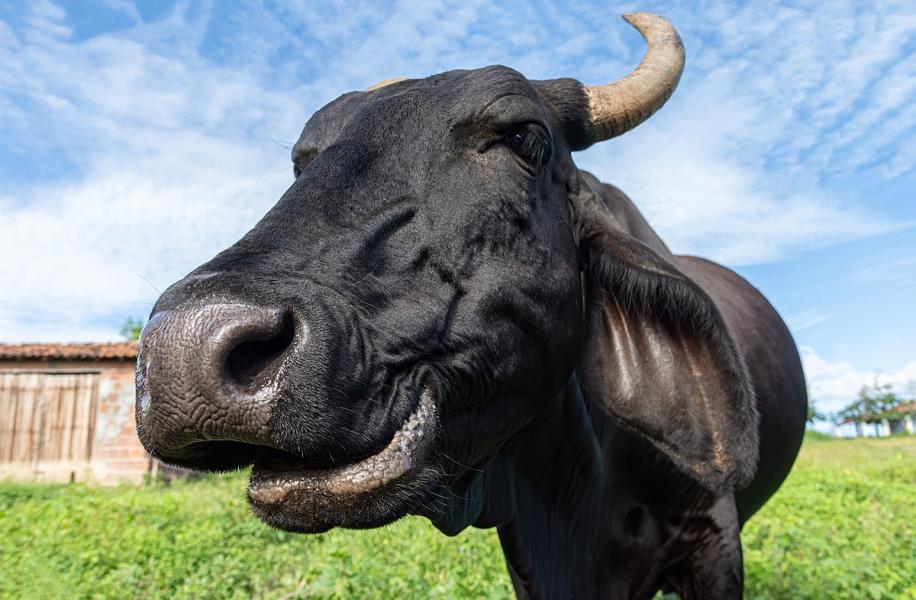
Cow
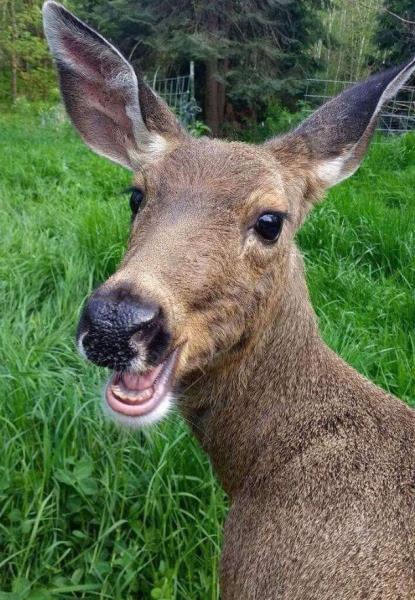
Deer

Dog
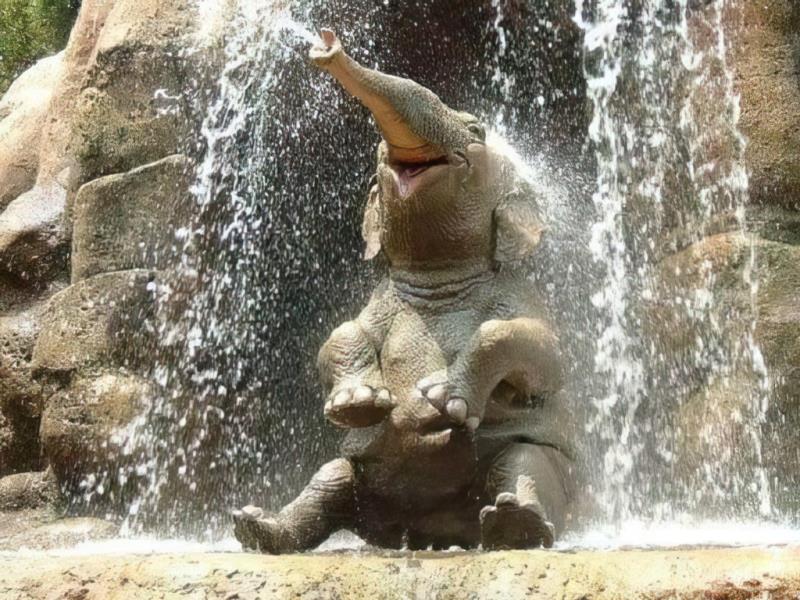
Elephant

Ella
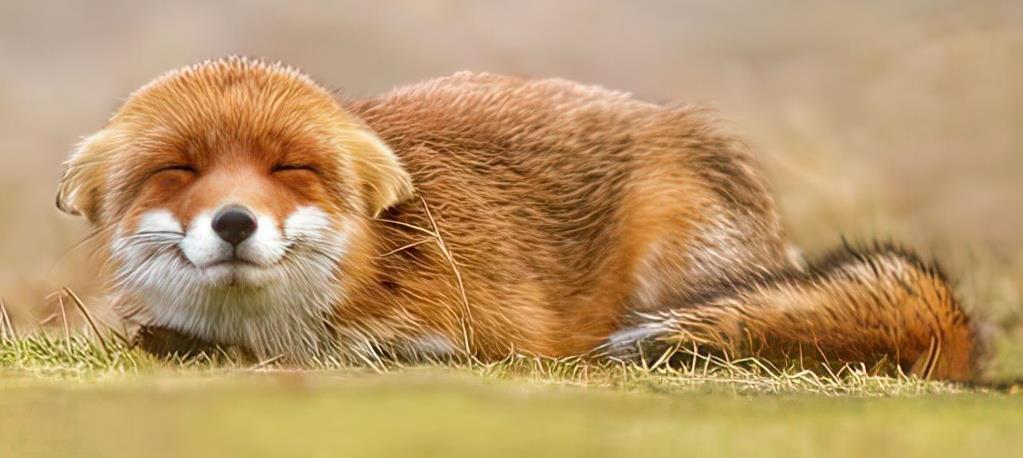
Fox
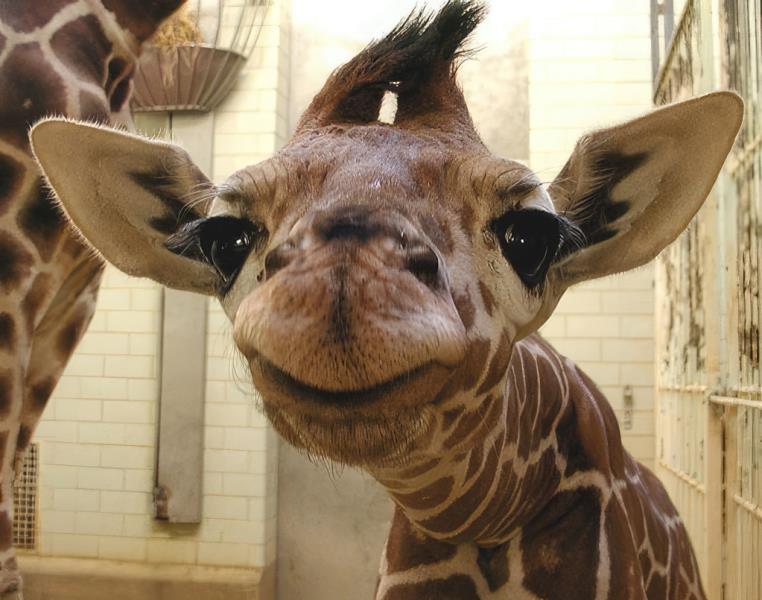
Giraffe
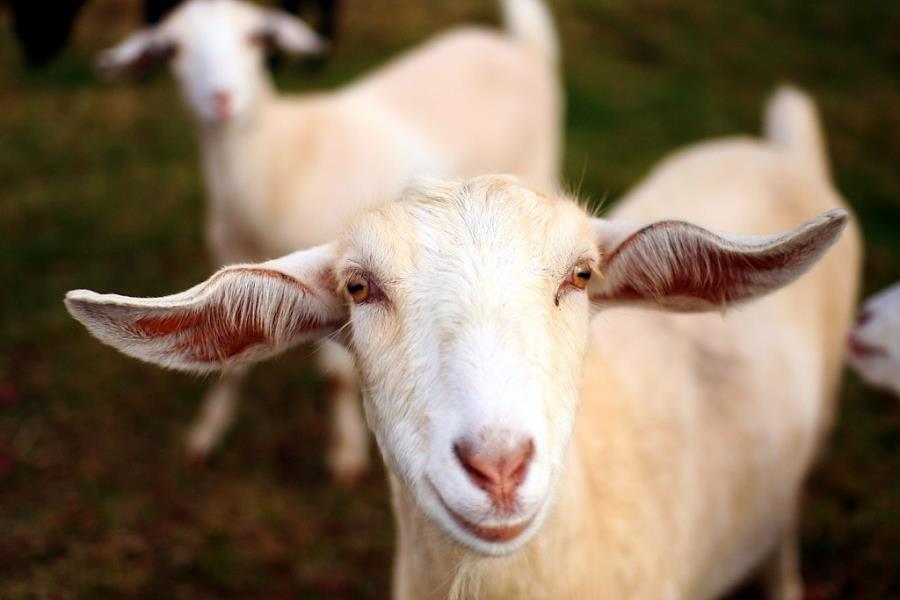
Goat

Hamster
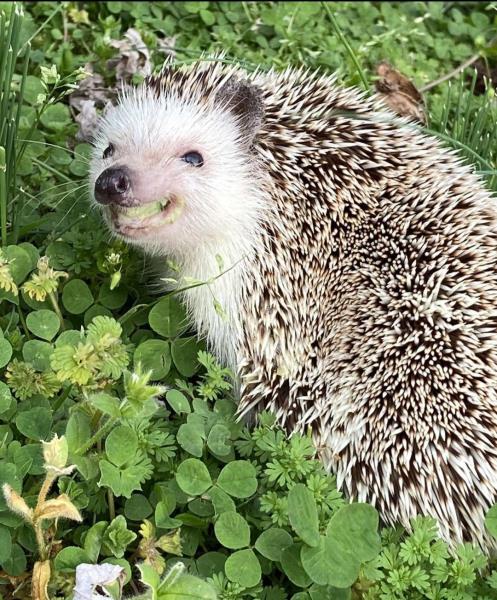
Hedgehog

Horse
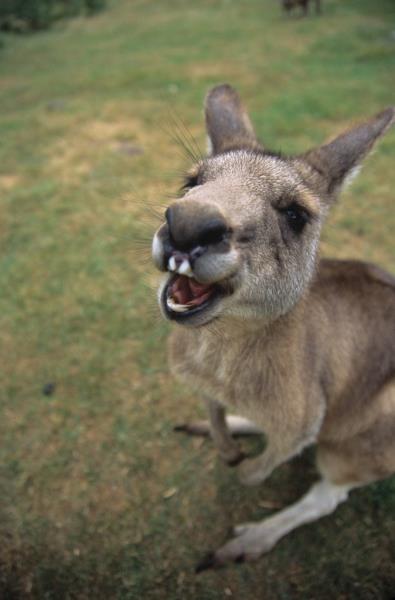
Kangaroo

Koala

Lion
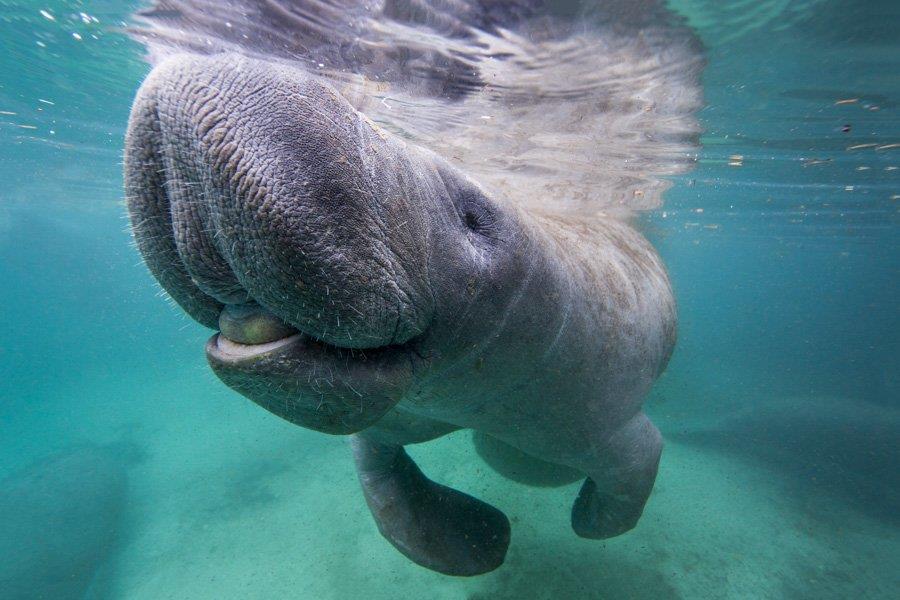
Manatee
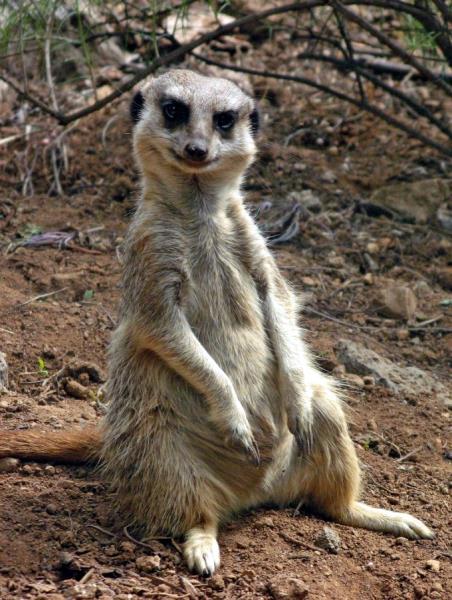
Mongoose

Otter
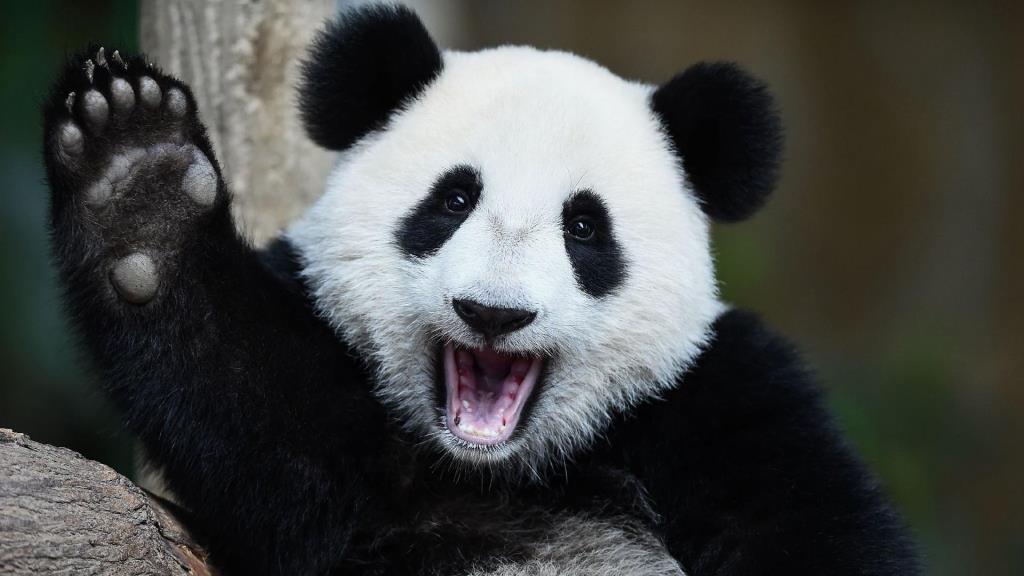
Panda
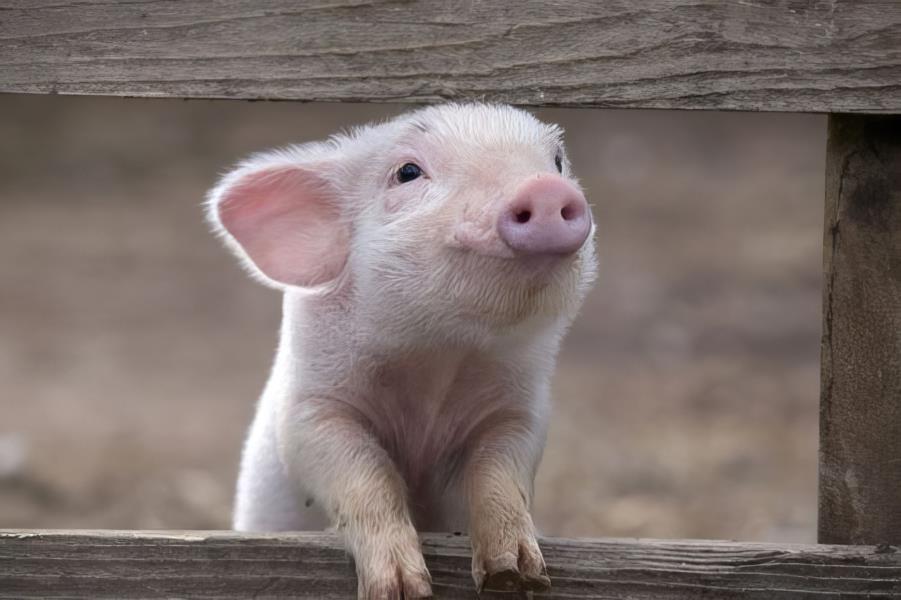
Pig
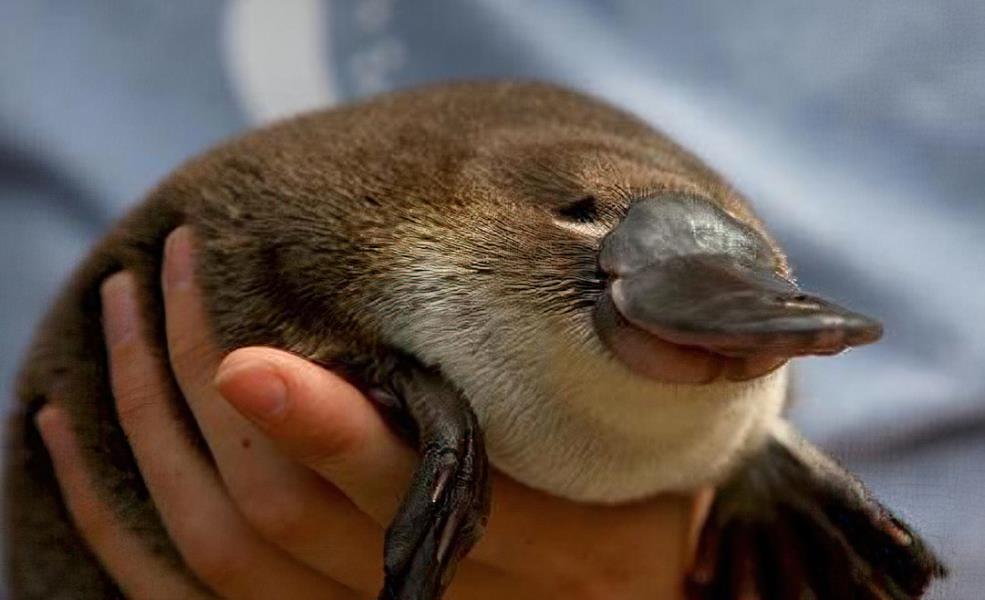
Platypus
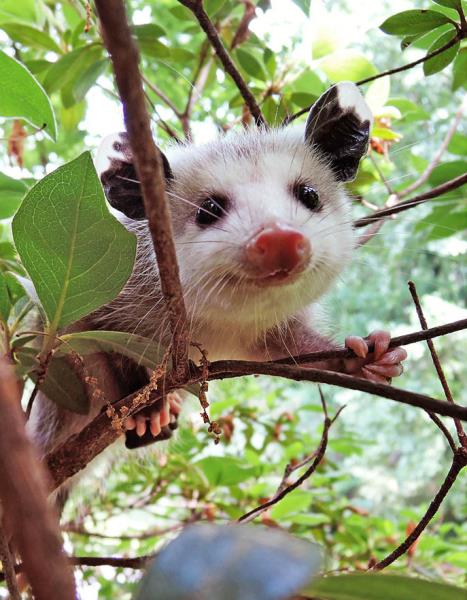
Possum
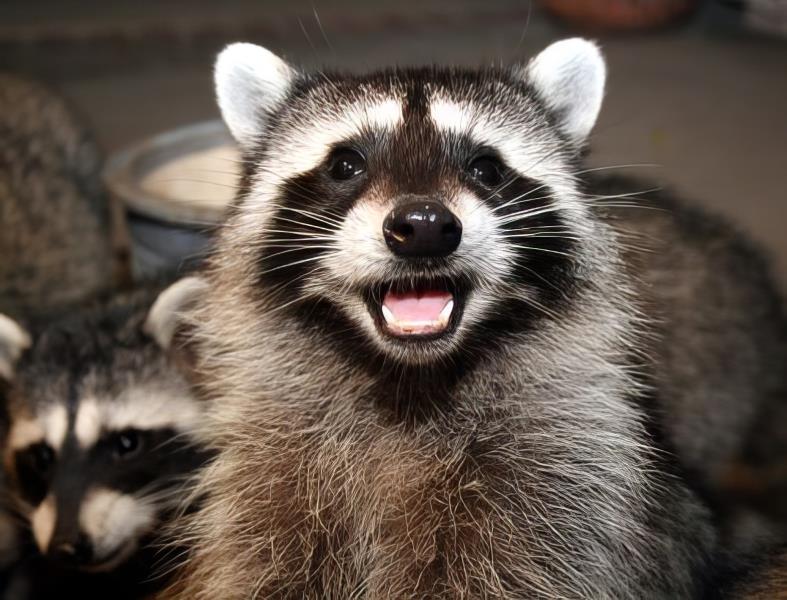
Racoon
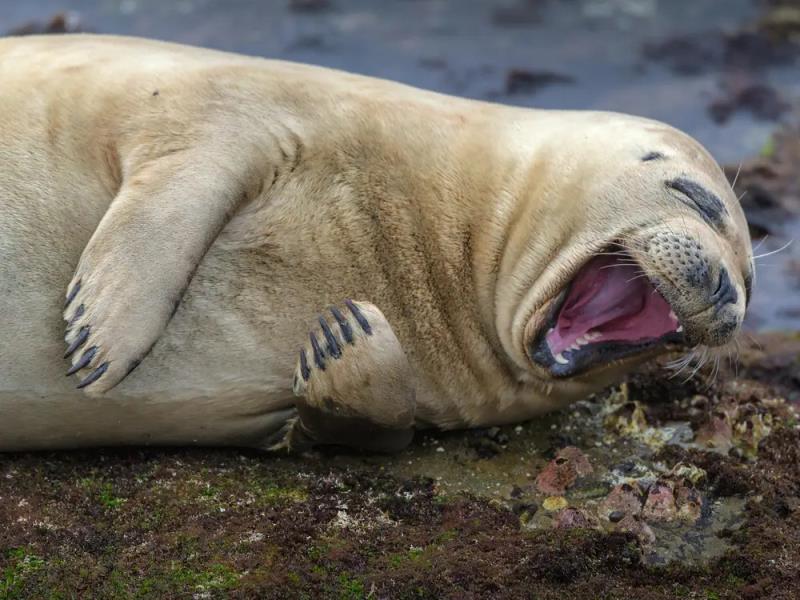
Sea Lion
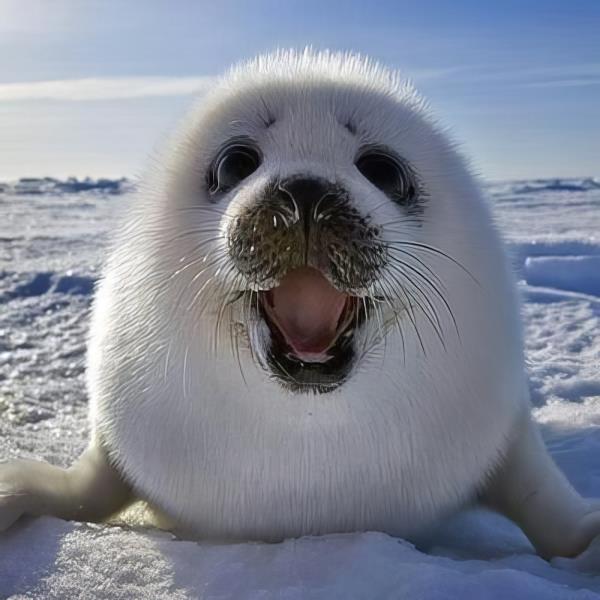
Seal
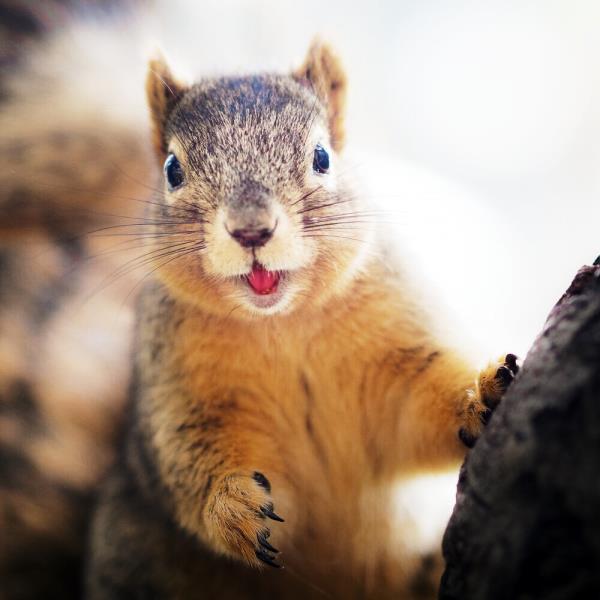
Squirrel
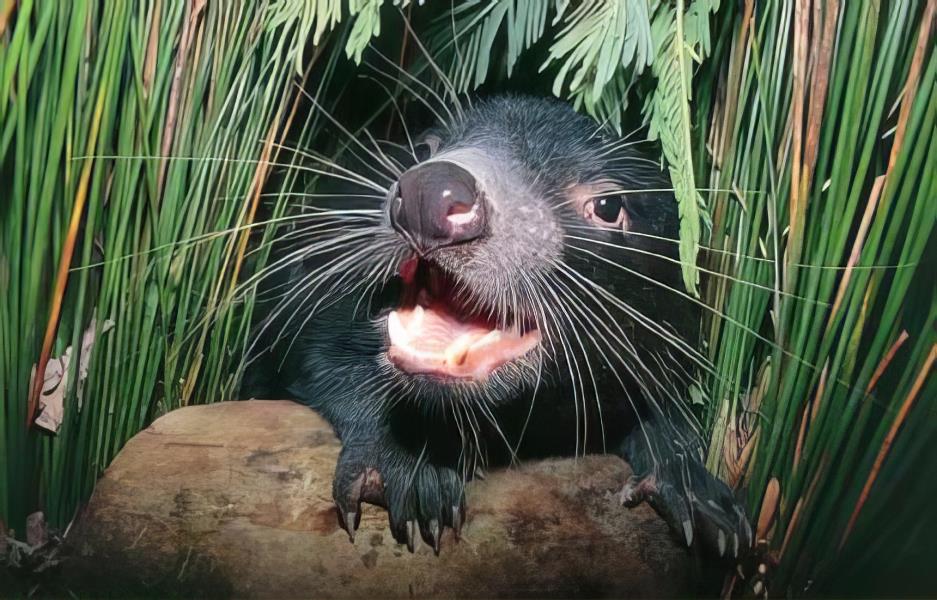
Tasmanian Devil
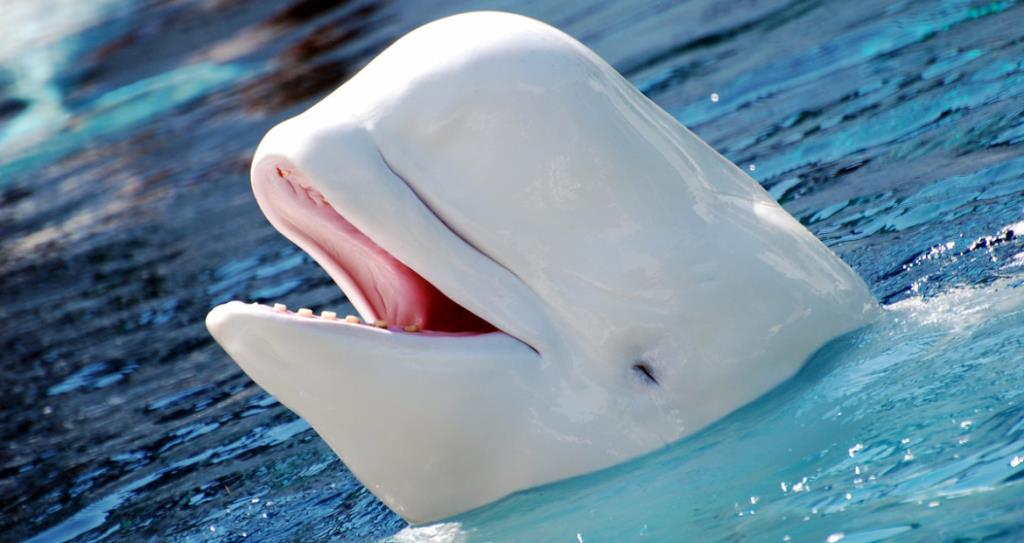
Whale