|
By: Paul S Cilwa |
Posted: 6/1/2024 |
|
Page Views: 654 |
| Hashtags: #Autobiography #GayPride #LGBTQ |
| To know where we're going, it's good to know where we've been. |
| Estimated reading time: 4 minute(s) (794 words) |

We humans have such a penchant for naming and labeling
things that it's even mentioned in Genesis. We use words, obviously;
but we also use symbols. The American Flag symbolizes Americans and
America. Sports fans frequently wear jerseys to show support for
their favorite teams; political junkies wear pins and sport bumper
stickers. Color ribbons have become a universal language for raising
awareness and showing support for various social causes.
But sometimes, instead of naming ourselves, our enemies name us first.
We all know the horrible name coined by enslavers, so awful that
today few of us even speak it, referring instead to the N word
.
When I was a kid, I had no idea what the word queer
actually meant,
but I sure heard it enough to know I would never want it to apply to me!
Throughout history, symbols of hate have been imposed upon various groups
as a means of oppression. For instance, the swastika, originally a symbol
of good fortune in many cultures, was co-opted by the Nazis and became
a universal emblem of hate and anti-Semitism. In response, some Jewish
groups have worked to reclaim the symbol's ancient, positive connotations.
Similarly, African Americans have transformed the once-feared noose, a
symbol of lynching and racial terror, into a symbol of resistance and a
call for justice. The pink triangle, initially used by the Nazis to
identify and persecute homosexuals, has been embraced by the LGBTQ+
community as a powerful emblem of gay rights and the ongoing struggle
for equality. By reclaiming these symbols, oppressed groups have turned
emblems of hate into badges of honor, resilience, and solidarity.
1938: Pink Triangle
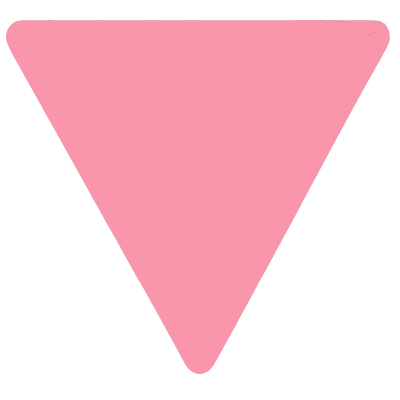
The Nazis began using the pink triangle to identify gay prisoners in
concentration camps during the 1930s and 1940s. Specifically, there
is a documented instance of homosexual prisoners at the Sachsenhausen
concentration camp wearing pink triangles on their uniforms on
December 19, 1938.
This was one of the first symbols reclaimed
by gay men in the 1980s.
1978: Rainbow Flag
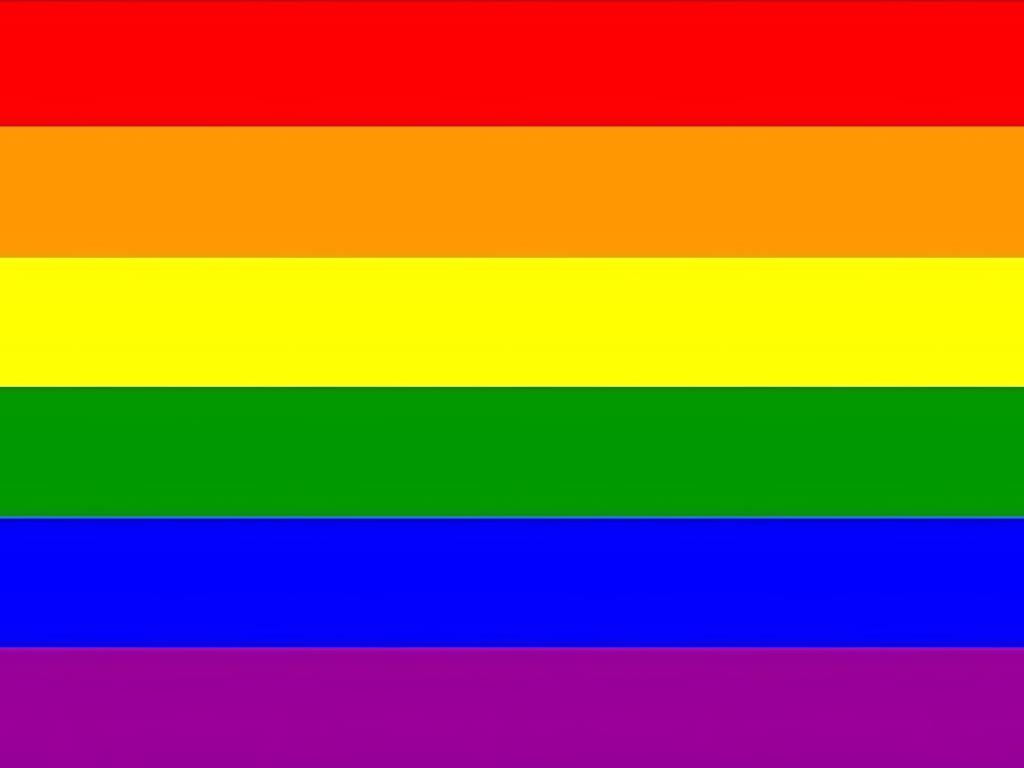
In 1978, the iconic rainbow flag was born out of a desire for a
symbol that could universally represent the LGBTQ+ community. Gilbert
Baker, an artist and drag queen, created the first rainbow flag
following a suggestion by Harvey Milk, one of the first openly gay
elected officials in the United States. Baker chose a flag because he
saw it as a powerful symbol of pride, and he selected the rainbow for
its natural diversity and beauty. The original flag featured eight
colors, each with a distinct meaning, ranging from hot pink for sex
to violet for spirit. It was first flown at the San Francisco Gay
Freedom Day Parade on June 25, 1978, where it waved as a bold
declaration of visibility and pride. Over time, due to production
issues, the flag evolved into the six-striped version we recognize
today, each stripe still celebrating the diversity and unity of the
LGBTQ community.
1991: AIDS Awareness Ribbon, animated GIF

The Red Ribbon, created in 1991, emerged as a powerful symbol during the AIDS crisis.
Crafted by artists from the Visual AIDS Artists' Caucus, it represents compassion
and support for those affected by AIDS. The red color signifies blood and passion.
Worn at prestigious events, the Red Ribbon has raised awareness globally.
1993: Glass
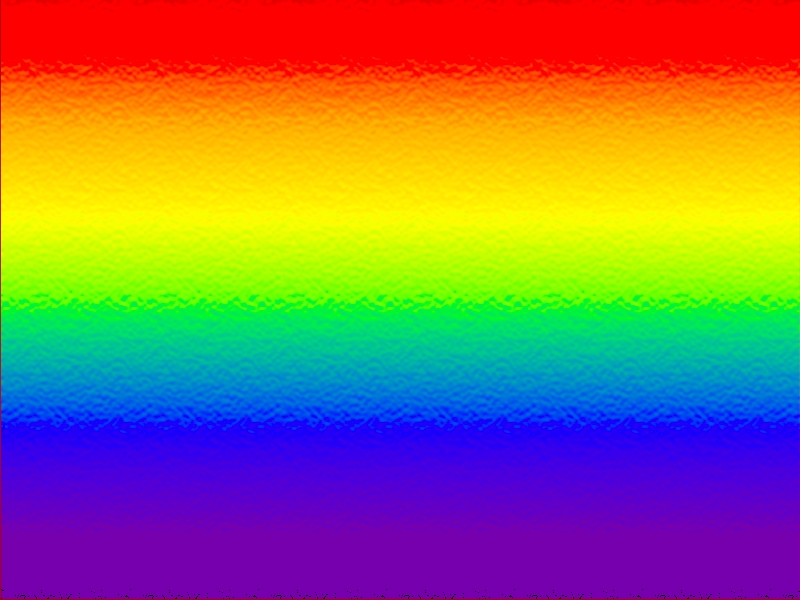
In 1993, armed with newly-capable digital image manipulation
software, I tried my hand at rainbow flag variants.
1993: Gradient
 1993: Mosaic
 1995: Glass Triangle
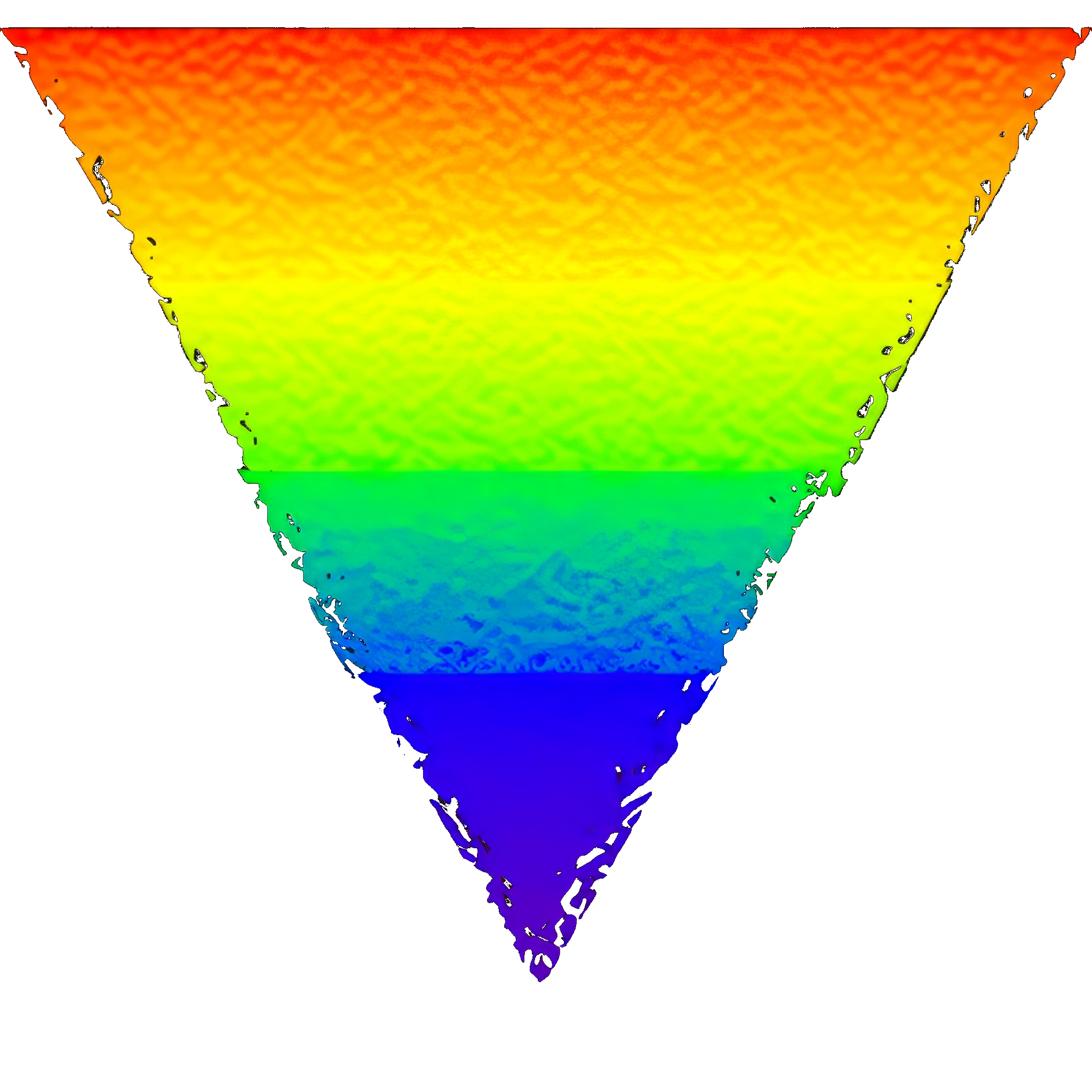
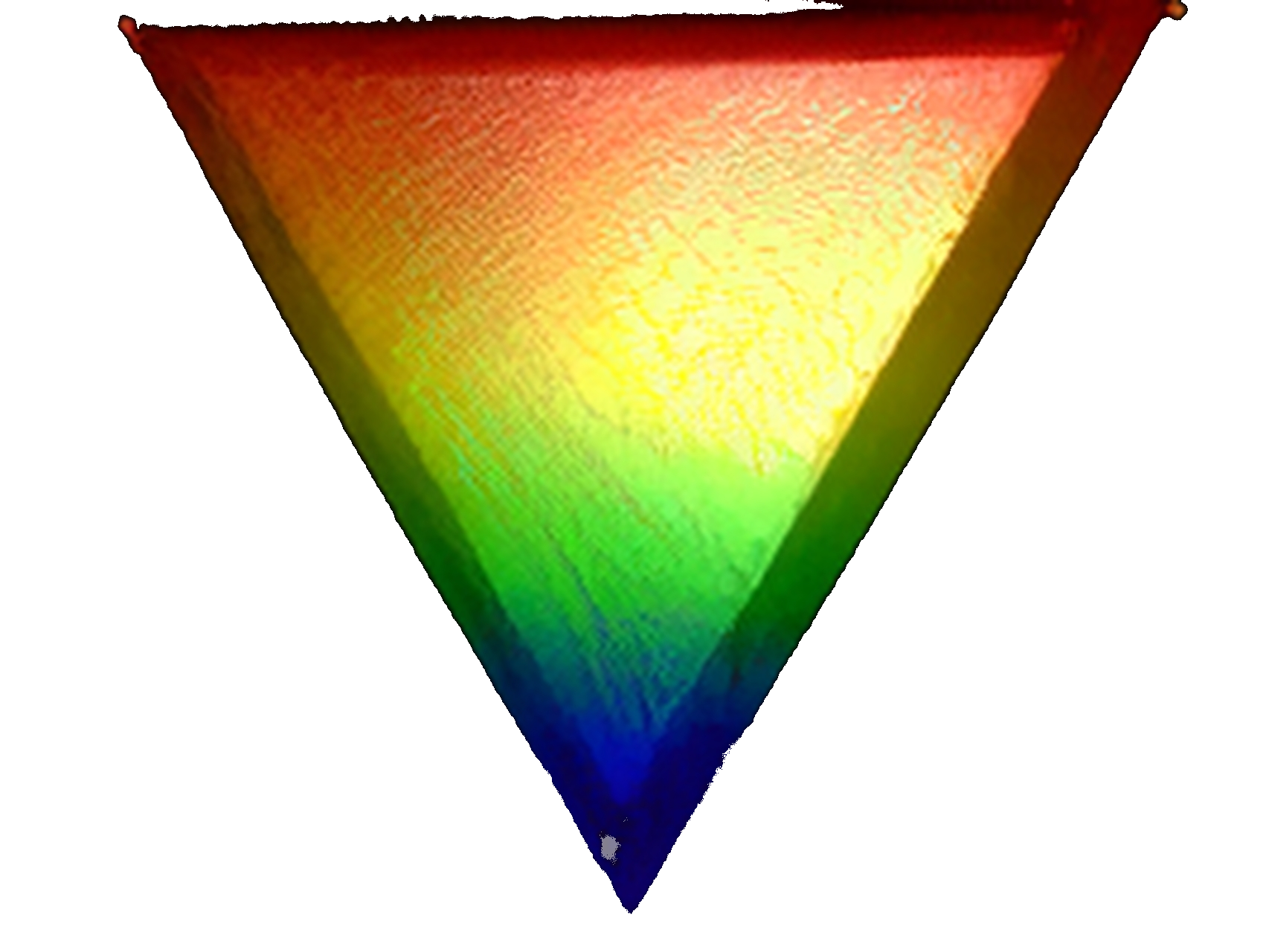
A couple of years later, when people started combining the rainbow
flag with the Nazi homosexual-identifying triangle, I did the same.
1995: Gradient Triangle
 1998: Windows 98 Desktop
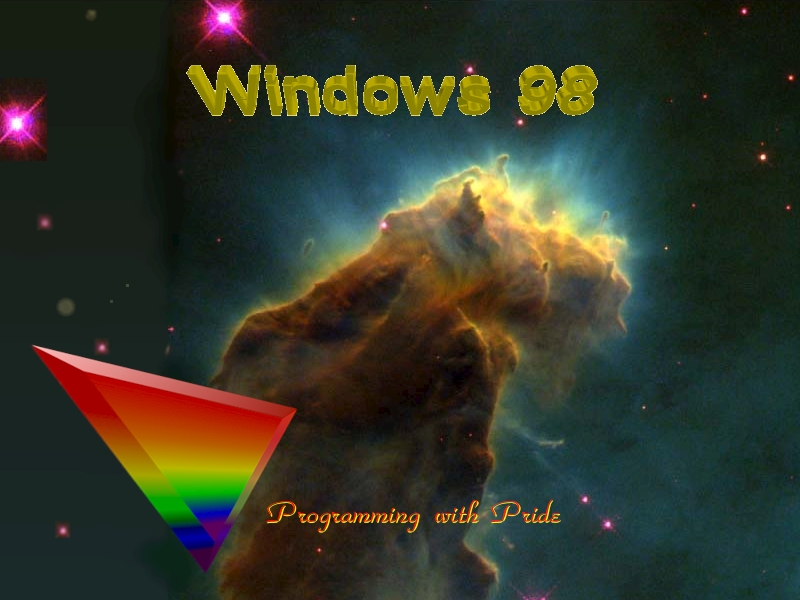
In 1998, Windows 98 came out with far superior graphics capabilities,
including the ability to display custom background images on the
desktop. So this was my contribution, against an early Hubble
Telescope image of the Pillars of Creation.
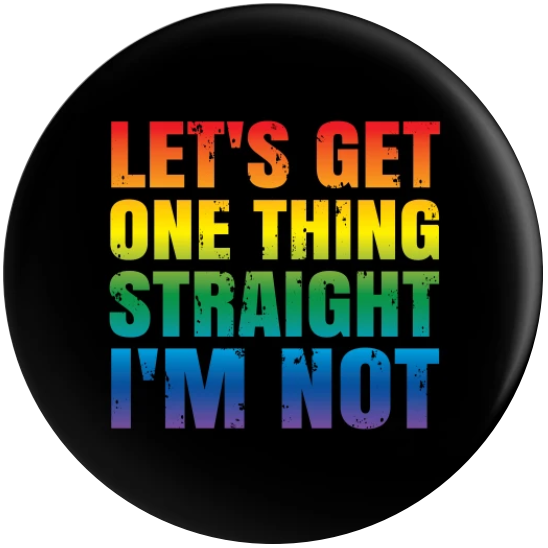
2002: Meme

By 2002, it almost seemed as if we didn't need Pride flags and
symbols anymore. Instead, during Pride month (June), I was displaying
jokes.
Waving Flag Animated GIFs



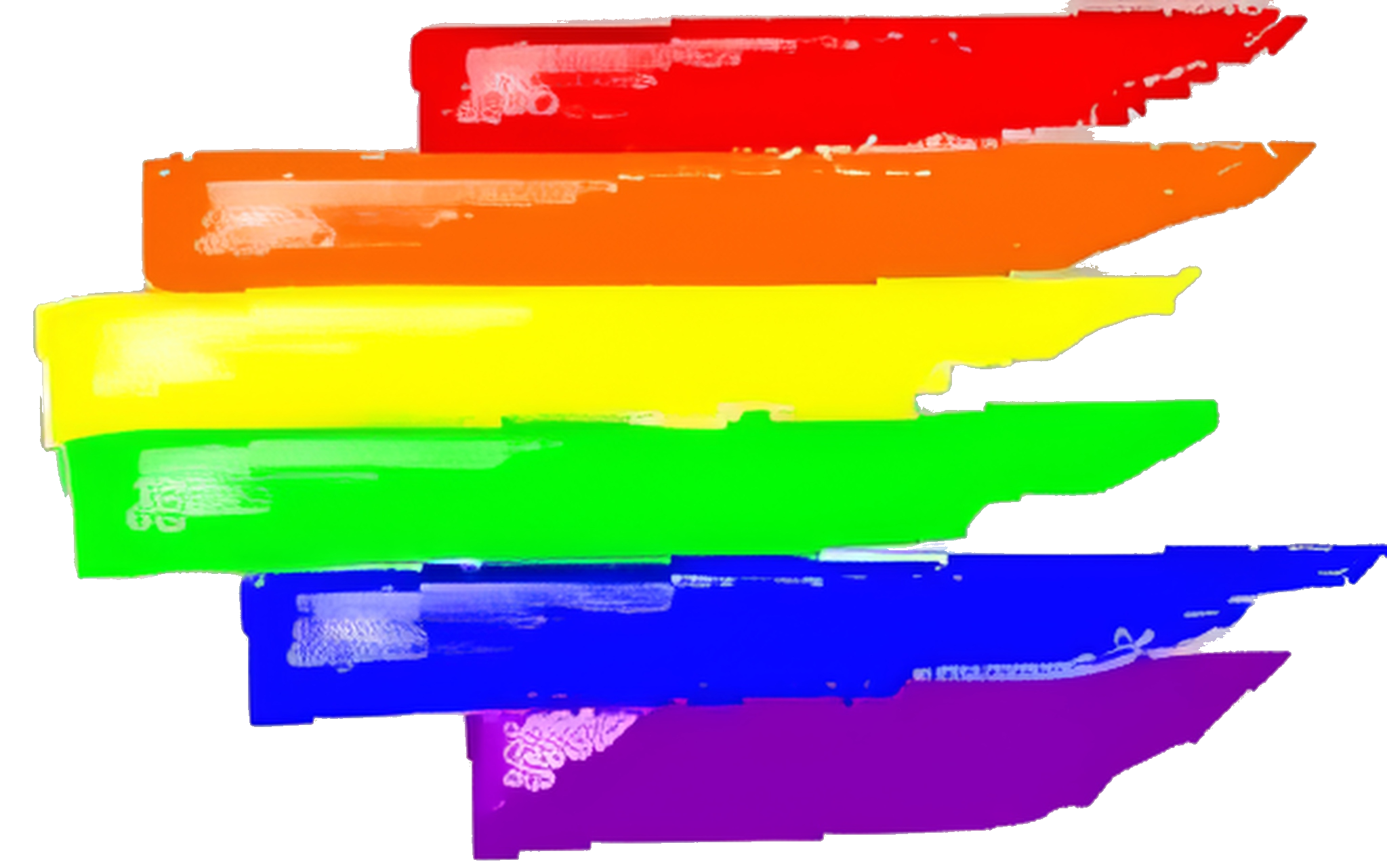 2011: Rainbow Wave
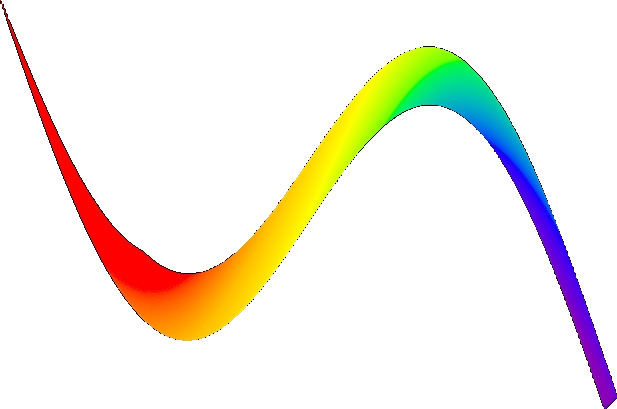
This one is kind of cool but takes up too much space.
 2023: Desktop
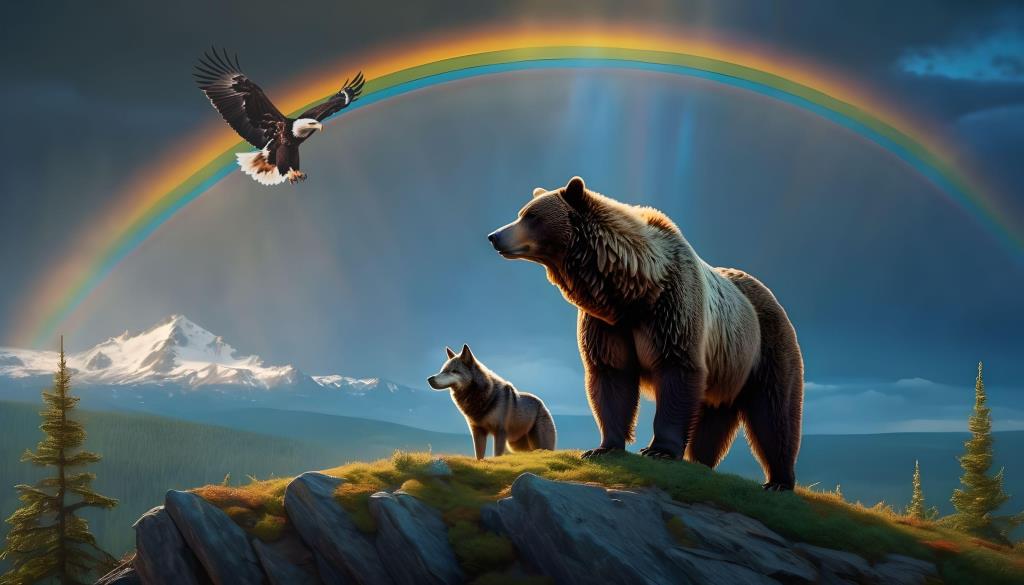
Last year I (using AI tools) created an image combining a rainbow
with my personal three spirit animals (eagle, bear and wolf).
2024: Gay Phoenix
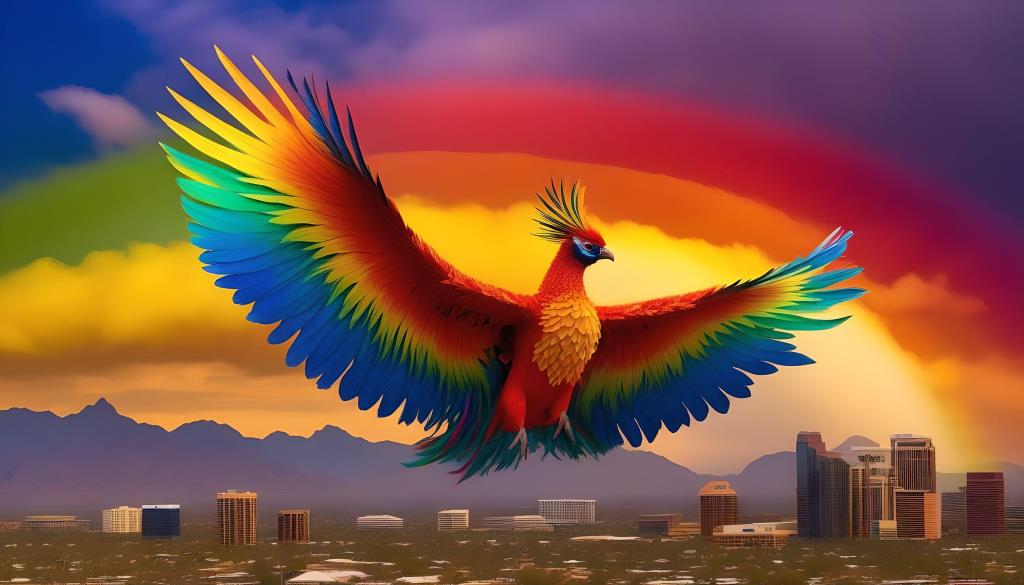
And for this year, I've come up with a rainbow Phoenix (bird) flying
over Phoenix (city).
2024: Trucking With Pride
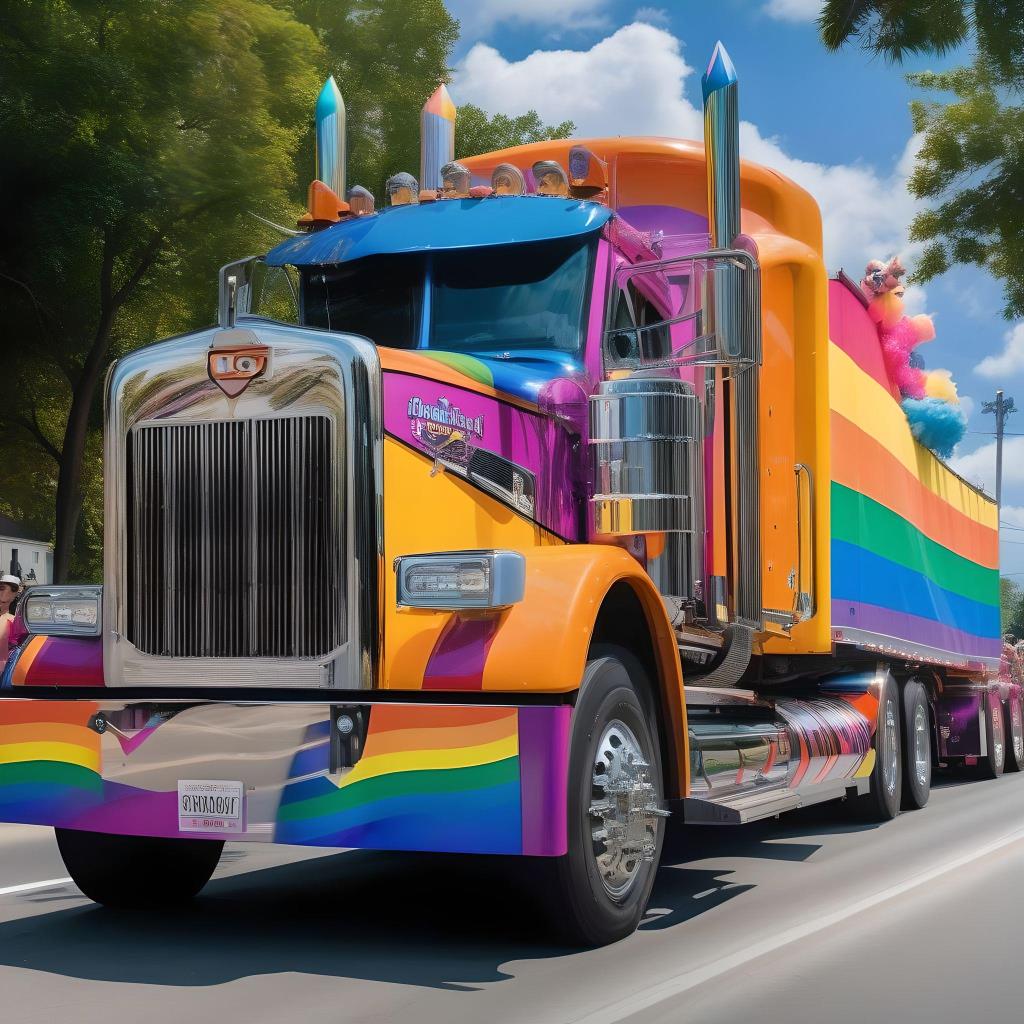
I also did this image of a fabulous big rig heading for the parade.
2024: Programming With Pride