|
By: Paul S Cilwa |
Occurred: 1/1/1951
Posted: 12/23/1951 |
|
Page Views: 230 |
| Hashtags: #WalterSigimundCilwa |
| Dad's job as engineer put him in a significant position in 1950s aeronautics. |
| Estimated reading time: 3 minute(s) (511 words) |
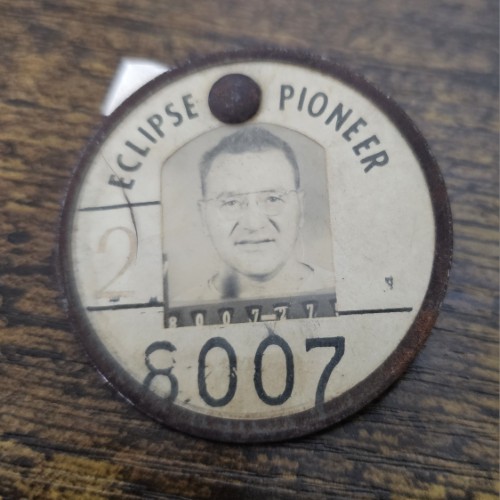
It's the kind of object that immediately feels
heavier than its weight. A badge is intimate in a way that a photograph isn't. A photo captures a
moment; a badge represents a role, a responsibility, a place in the world. This one must have hung
from his shirt every morning, clipped on as automatically as tying his shoes. It was his key into a
world I never got to see.
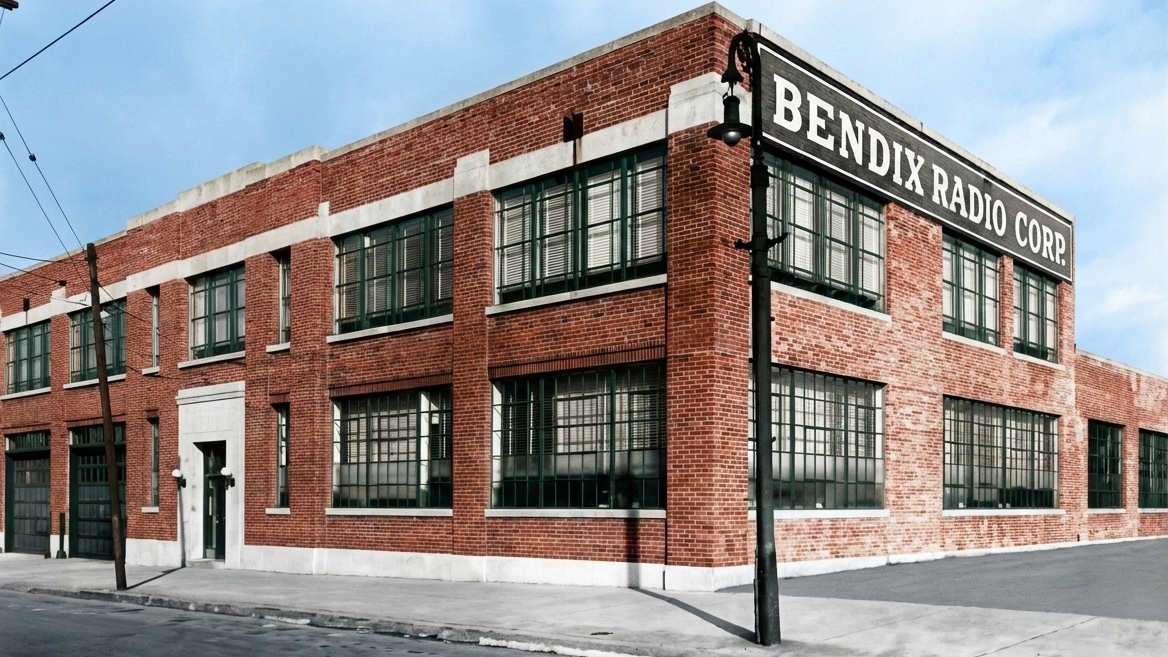
I knew my father worked for Bendix in the 1950s, but I never before had
a concrete artifact from that part of his life. Holding this badge, I suddenly had something
physical—something he touched every day—from a chapter of his story that had always
been a little blurry.
As I dug into the history, the name Eclipse?Pioneer
opened up a whole
hidden landscape. It turns out the badge came from the Eclipse?Pioneer Division of Bendix Aviation,
a company that built the navigation instruments used in WWII aircraft and those of the early Cold War era.
They made everything from bubble sextants to the early guidance systems that would eventually
evolve into the inertial platforms used in rockets. This wasn't just a factory job; it was
precision work at the heart of mid?century aviation technology.
Most of the division's operations were based in Teterboro, New Jersey; my father would have been
part of a workforce building the instruments that guided pilots across oceans and through combat.
It's strange to think of him working in a place humming with the urgency of postwar innovation.
The badge itself is beautifully utilitarian: enamel, metal, a small black?and?white portrait of him
looking impossibly young. No frills, no corporate branding flourish, just a number and a name.
It feels like something from an era when objects were built to last because the work they represented mattered.
Finding it in that box felt like uncovering a tiny time capsule. Not as dramatic as a medal or a diary,
but something more quietly revealing. A reminder that before he was Dad,
he was an
engineer with a job in a rapidly changing world, stepping each morning into a factory where the
future of flight was being assembled piece by piece.
I've set the badge aside now, away from the
jumble of the box, because it deserves its own place. It's a small thing, but it connects me to him
in a way I didn't expect. A little metal rectangle, stamped with 8007, carrying the weight of a
life lived long before I arrived.