|
By: Paul S Cilwa |
Posted: 3/21/2023 |
|
Page Views: 667 |
| Hashtags: #Autobiography |
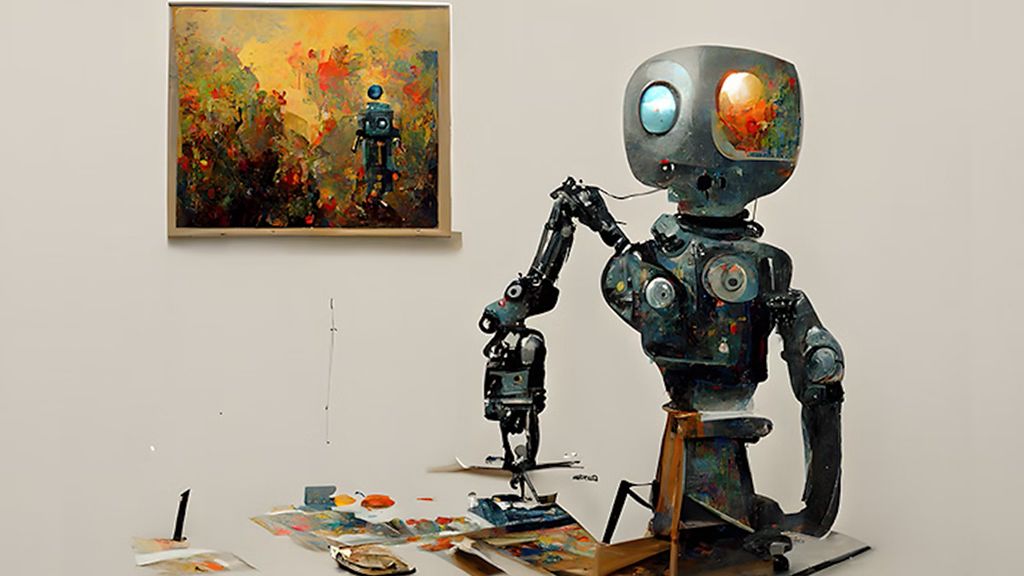
| Throughout history, artists have used tools, assistants, and modern technologies like ChatGPT to assist in the creative process, resulting in more accurate, efficient, and detailed works, while sparking debates about the role of the artist and the authenticity of their work. |
| Estimated reading time: 4 minute(s) (909 words) |
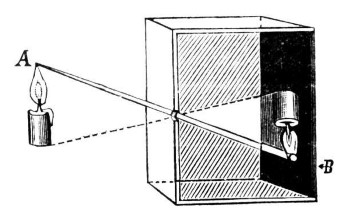
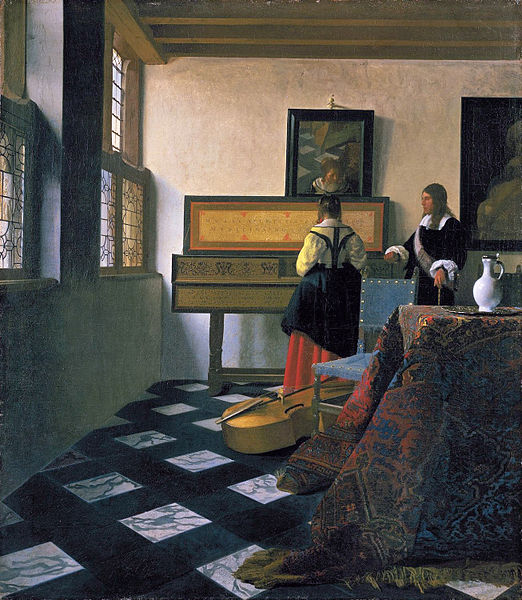
Vermeer's Camera Obscura is a perfect example of how artists have used tools to help create their art. Vermeer,
a Dutch painter from the 17th century, used a camera obscura to create more accurate perspective and
color in his paintings. The camera obscura is a device that projects an image onto a surface, which the
artist can then trace to create a more realistic depiction of the subject. This tool allowed Vermeer to
create paintings that were more realistic and accurate than any other artist of his time.
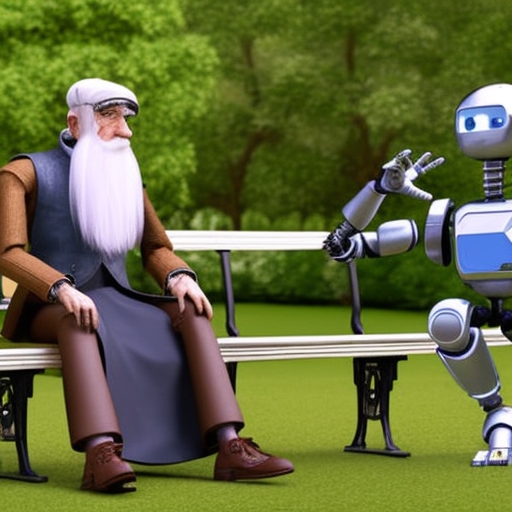
Another example of how artists have used assistants to help create their art is Michelangelo.
Michelangelo, an Italian artist from the 16th century, employed a team of assistants to help him
complete his masterpieces. Michelangelo's assistants helped him to carve marble and paint his
famous Sistine Chapel ceiling. This allowed him to produce works that were larger in scale and more
detailed than he could have created on his own.
As technology progressed, artists began to rely on new tools and aids to help them create their art.
The invention of the word processor was a significant development for writers. Word processors allowed
writers to type their manuscripts on a computer, which made editing and revising much easier than writing
by hand. The word processor also allowed writers to produce multiple copies of their work without having to
retype it, making the process much faster and more efficient.
Another significant development was the introduction of spell and grammar checkers. These tools have become
an essential part of the writing process, as they help writers to catch errors and improve the clarity
of their writing. Spell and grammar checkers have become so advanced that they can even suggest alternative
sentence structures and word choices, making the writing process more efficient and effective.
In the music industry, programs like Band In A Box have become increasingly popular. These programs allow
music arrangers to create complete arrangements of songs, including all of the instrument parts, in a
fraction of the time it would take to do it manually. Band In A Box uses artificial intelligence to create
realistic sounding instrument parts, which allows arrangers to create complex arrangements that would be
difficult to achieve without this (or a similar) tool.
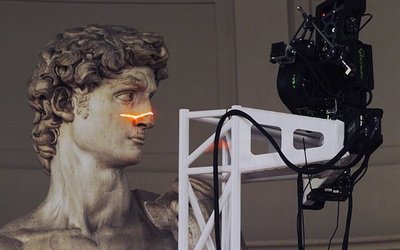
In the world of sculpture, lasers have become an essential tool for sculptors. Laser cutting and engraving
technology allows sculptors to create intricate designs and details that would be impossible to achieve by hand.
Laser cutting also allows sculptors to work with a wider variety of materials, including metal, wood, and plastic,
which opens up new creative possibilities.
ChatGPT is a modern tool that can assist writers in many ways. As a language model trained by OpenAI,
ChatGPT can generate human-like text that can be used to help writers with writer's block or to
generate new ideas. ChatGPT can also help writers to improve the clarity and coherence of their
writing by suggesting alternative sentence structures and word choices.
In addition to these features, ChatGPT can also help writers with research. With access to vast amounts
of information, ChatGPT can quickly find relevant information on any topic, saving writers hours of
research time. ChatGPT can also help writers to fact-check their writing, ensuring that their work
is accurate and credible.
Finally, ChatGPT can assist writers with translations. With its ability to understand multiple languages,
ChatGPT can quickly and accurately translate text from one language to another. This feature can be particularly
useful for writers who need to translate their work into multiple languages, as ChatGPT can provide accurate
translations in a fraction of the time it would take to do it manually.
However, it is important to note that ChatGPT is not a replacement for human writers, editors or translators.
While it can assist in the writing process, it cannot replace the creativity and critical thinking
skills of a human writer. Additionally, while ChatGPT can help with grammar and spelling, it may not
catch all errors or suggest the best word choices in every situation.
But it can be a major source of assistance to the writer. The "heavy lifting," as I like to call it.
The use of technology in the creative process has sparked debate about the role of the artist and the authenticity
of their work. Some argue that the use of tools and aids takes away from the artist's talent and skill,
while others argue that these tools are simply another form of artistic expression.
In conclusion, artists have always used tools, assistants, secretaries, and amanuenses to help create their art,
from Vermeer's Camera Obscura to modern-day technologies like ChatGPT. These aids have allowed artists to
produce works that are more accurate, efficient, and detailed. While the use of technology in the creative
process has its advantages, it is important to remember that these tools are not a replacement for human
creativity and critical thinking skills. Ultimately, it is up to the artist to decide how to incorporate
technology into their creative process and how it fits into their artistic vision.