|
By: Paul S Cilwa |
Posted: 3/27/2023 |
|
Page Views: 565 |
| Hashtags: #Dogs #Ella #Lilly |
| How dogs see with their noses. |
| Estimated reading time: 3 minute(s) (558 words) |
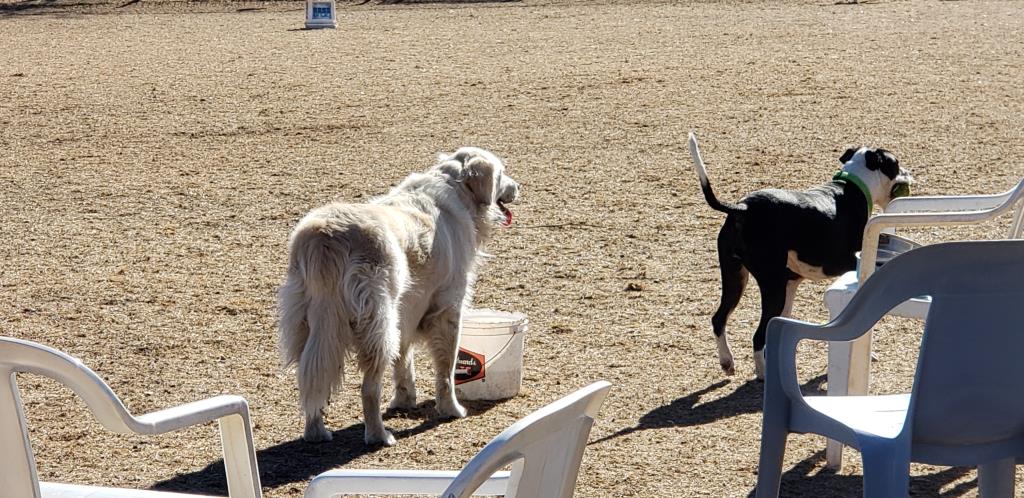
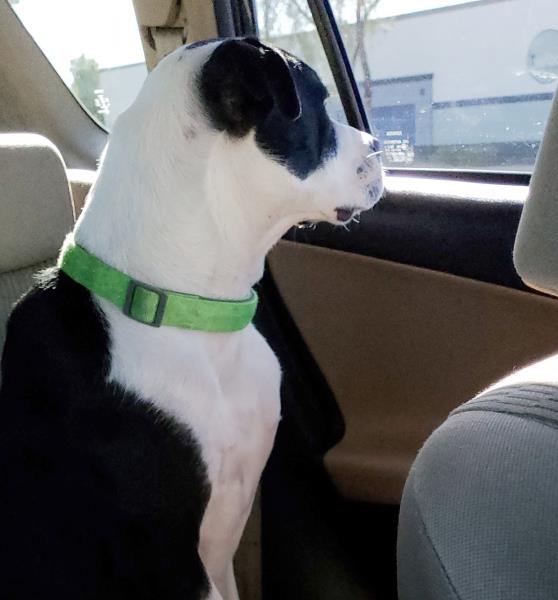
In dogs, that's reversed. Dogs' long snouts are lined with many times more scent
receptors than ours, and the big smell computer in their brains extracts every bit
of data. That's why blind dogs get around so well. And that's why, if your dog is
upwind of you, they don't recognize you by appearance alone.
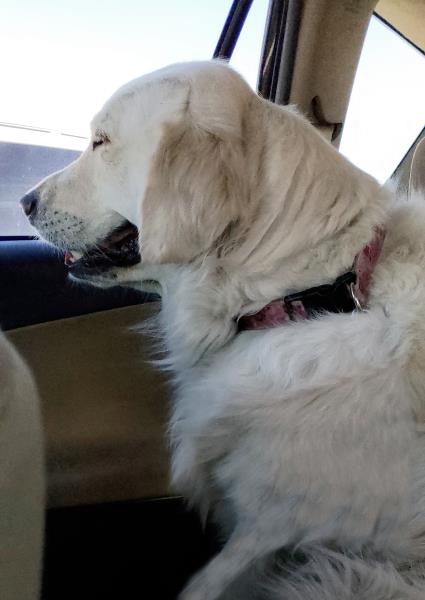
We mammals possess scent emitters on our hands and especially our feet.
Dogs connect with those they love via scent, not sight. So, if your little
one couldn't cuddle up to Thomas himself, a shoe or sock that Thomas has
recently worn is almost as good.
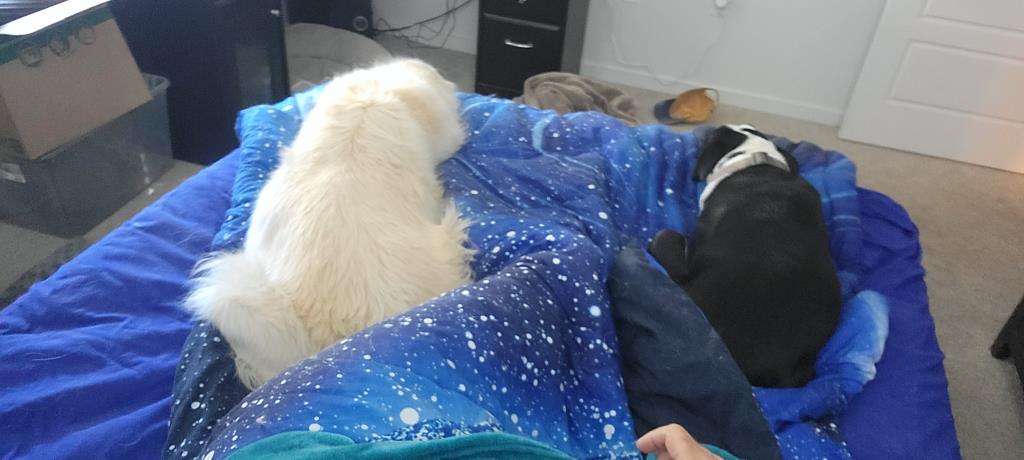
When we shipped the dogs back from Maui, Keith and I included our used bedsheets
in their kennels, which kept them calm during the flight.
Dogs have an incredibly powerful sense of smell. They can smell things that are
miles away and they can distinguish between different smells with incredible accuracy.
This is because their noses are packed with millions of scent receptors.
Dogs use their sense of smell to do all sorts of things, like finding food,
tracking animals, and detecting drugs or explosives.

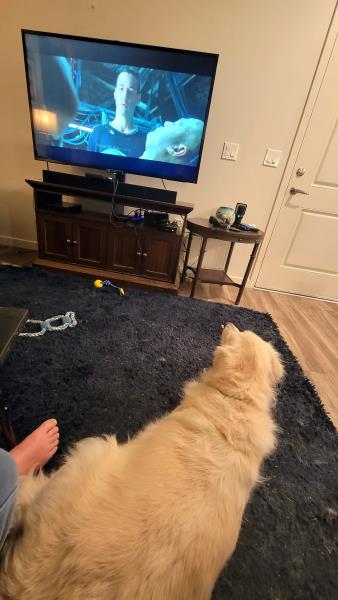
Dogs' sense of smell is so important that it actually outweighs their sense of sight.
In fact, a dog's sense of smell is so powerful that they can often find their way
around in complete darkness. They can also follow a scent trail even if it's been
days since the animal or person passed by.
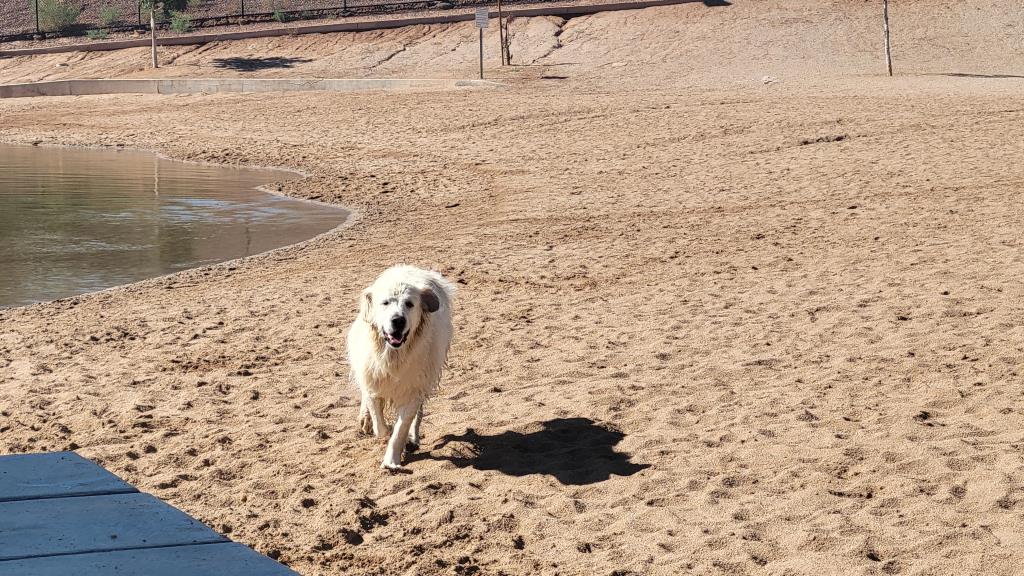
This is why dogs are often used as police or military dogs. They can be trained to
track down criminals or bombs by following the scent trail. They can also be used
to find lost people or animals.

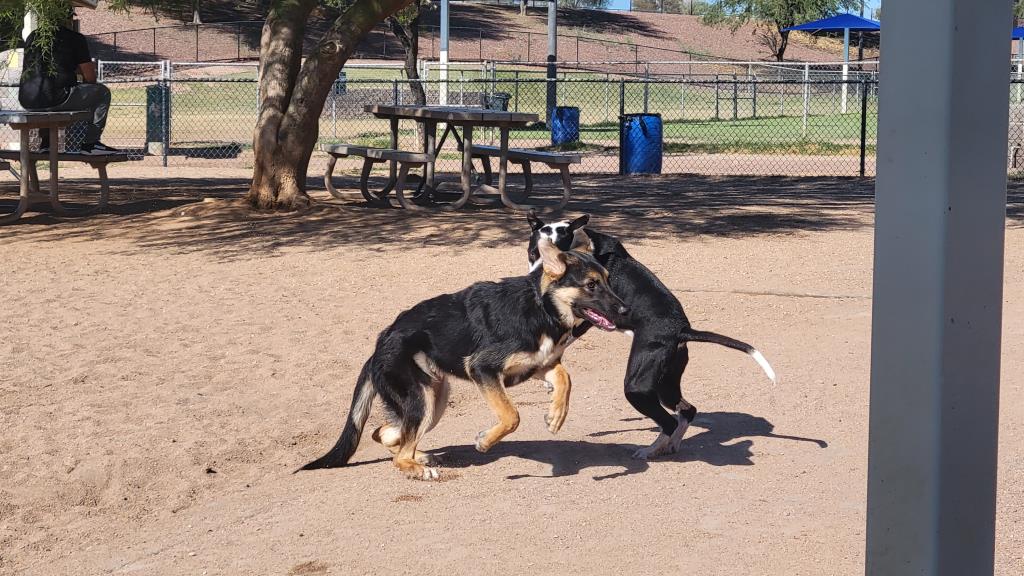
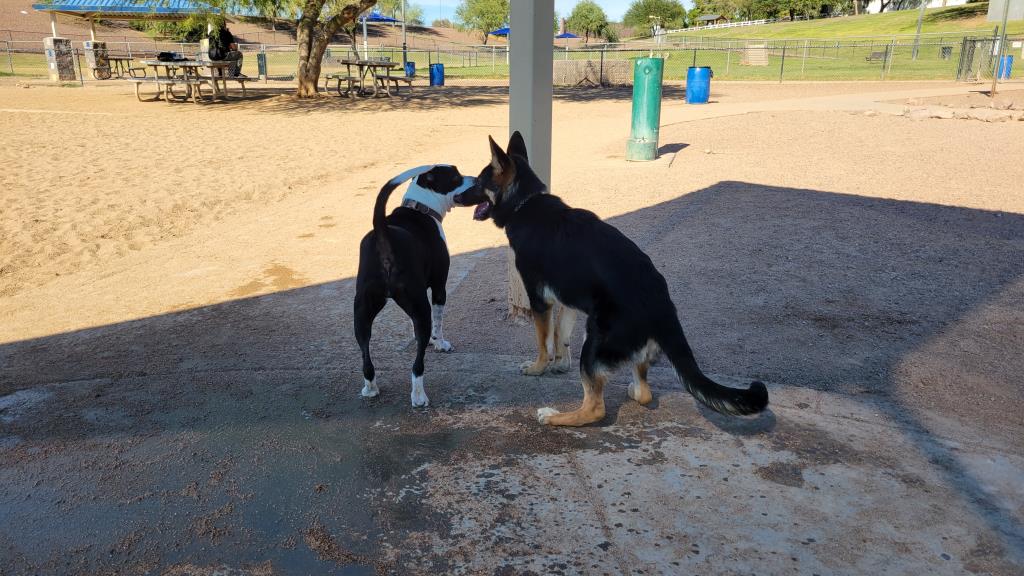
Furthermore, dogs have an amazing ability to detect changes in their owner's body
chemistry. Dogs can pick up on subtle changes in the odor of their owner's sweat
or breath, which can indicate changes in blood sugar levels or the presence of
certain diseases like cancer.
In fact, there have been many reported cases of dogs detecting cancer in their
owners before any medical tests could confirm it. This ability has led to the
development of new diagnostic tools that use trained dogs to detect cancer in
breath or urine samples.
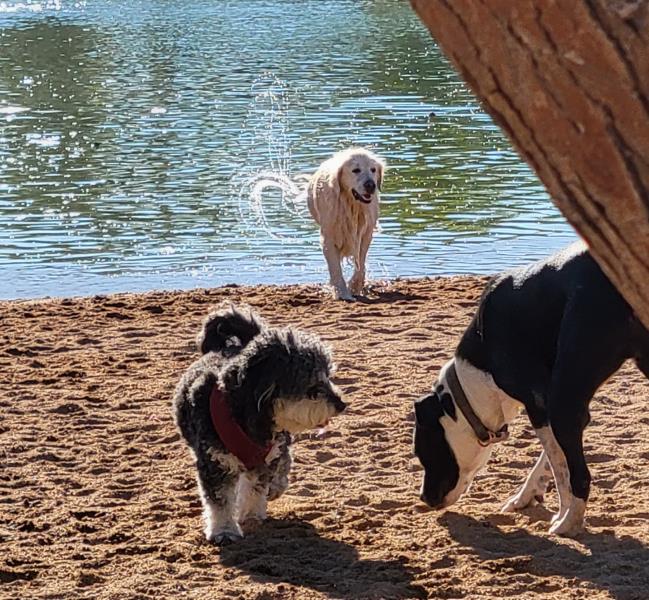

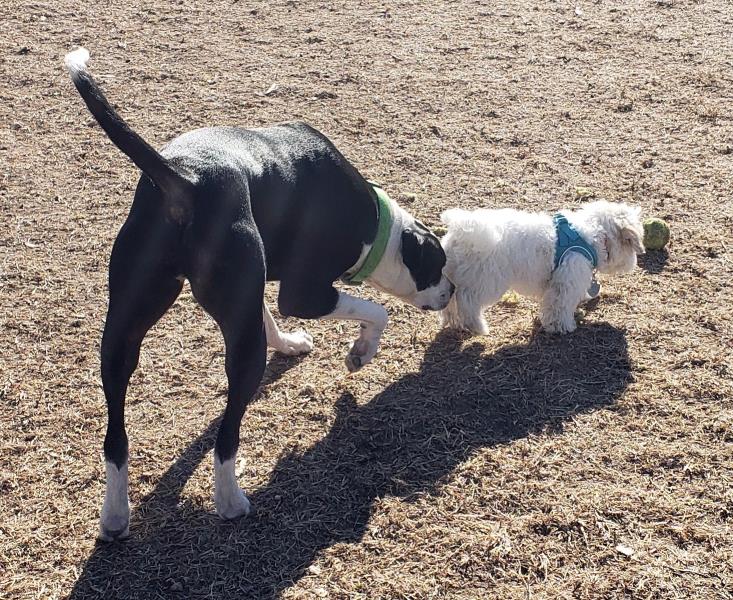
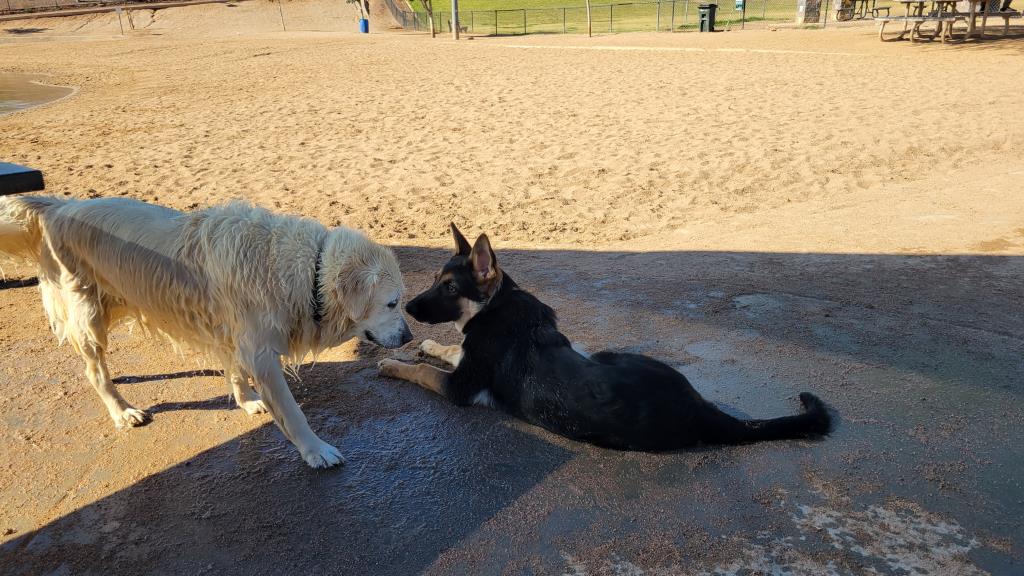
Apart from their practical uses, dogs' sense of smell is also an important part
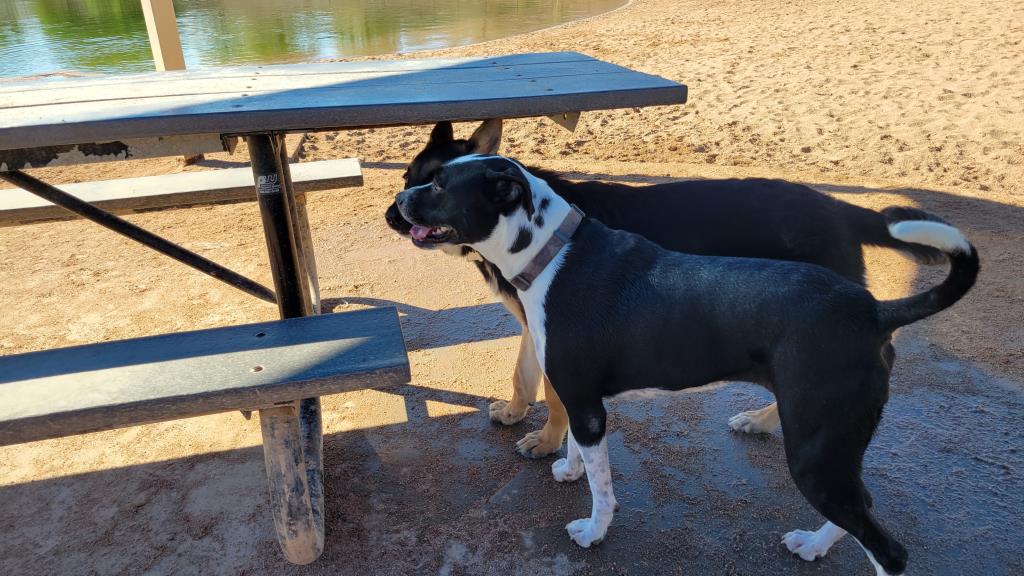
of their social behavior. When dogs greet each other, they usually sniff each
other's rear ends as a way of identifying each other. They can also recognize
individual humans by their scent, which is why they get excited when their
owner comes home after a long day.
Overall, dogs' sense of smell is an incredible feat of evolution that allows
them to navigate their world in a way that is completely different from humans.
Their ability to detect and distinguish scents is not only fascinating, but
also incredibly useful in many different settings. As humans, we may never
fully understand the complexity of the dog's olfactory system, but we can
appreciate and admire it for the amazing superpower that it is.