|
By: Paul S Cilwa |
Posted: 4/11/2026 |
|
Page Views: 271 |
| Hashtags: #Retirement #Writing #Creativity #AI #Technology #Art |
| The old tools are fading and the old markets are gone. I have never been more creatively alive. |
| Estimated reading time: 8 minute(s) (1690 words) |
The Old Gates Are Closing
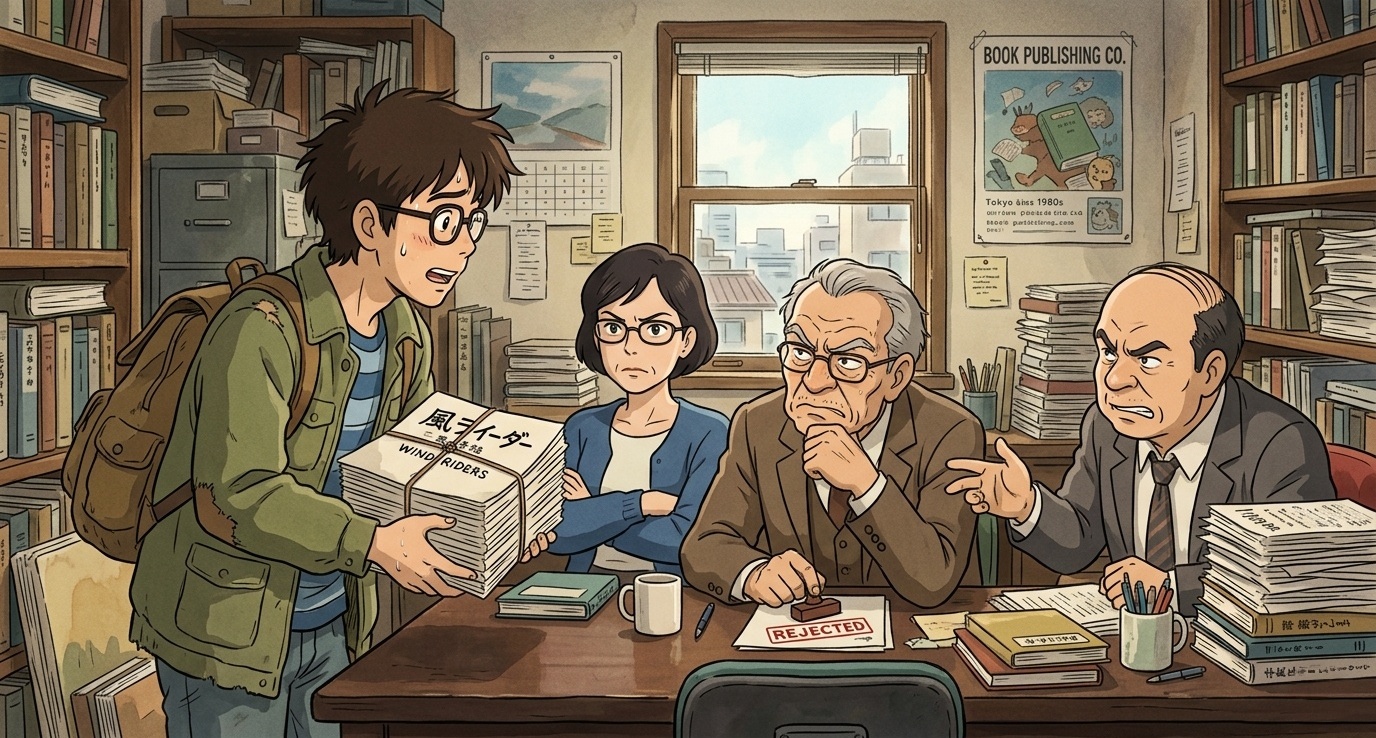
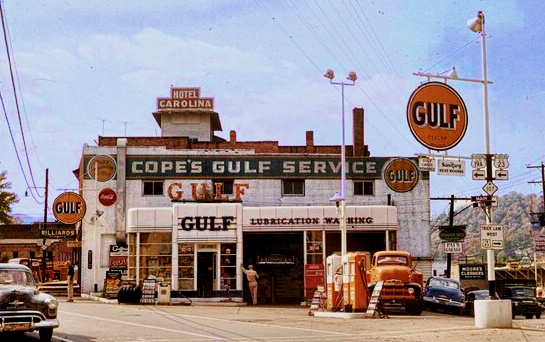
For most of my life, creativity came with a tollbooth. If you
wanted to make a film, you needed a studio. If you wanted to publish
a novel, you needed a New York editor to say yes. If you wanted your
music heard, you needed a record label. If you wanted your
photographs seen, you needed a gallery or a magazine. The tools
themselves were expensive—cameras, darkrooms, mixing boards,
typesetting equipment—and the distribution channels were
controlled by people whose primary talent was saying "no."
That world is not dying. It is dead. The last generation of
gatekeepers is still standing in front of doors that no longer lead
anywhere, checking credentials for a building that has been
demolished. Traditional publishers are merging into fewer and fewer
imprints, paying smaller and smaller advances, and demanding that
authors do their own marketing anyway. Record labels sign artists who
already have millions of followers—which is to say, artists who
have already proven they do not need a record label. Film studios
greenlight sequels and reboots because original stories are
"risky," which is another way of saying the executives have
forgotten what stories are for.
None of this is a tragedy. It is an evacuation. The creative
energy has not disappeared; it has moved.
The New Tools
Consider what a person with a story to tell can do today that was
flatly impossible twenty years ago, and unimaginable forty years ago.
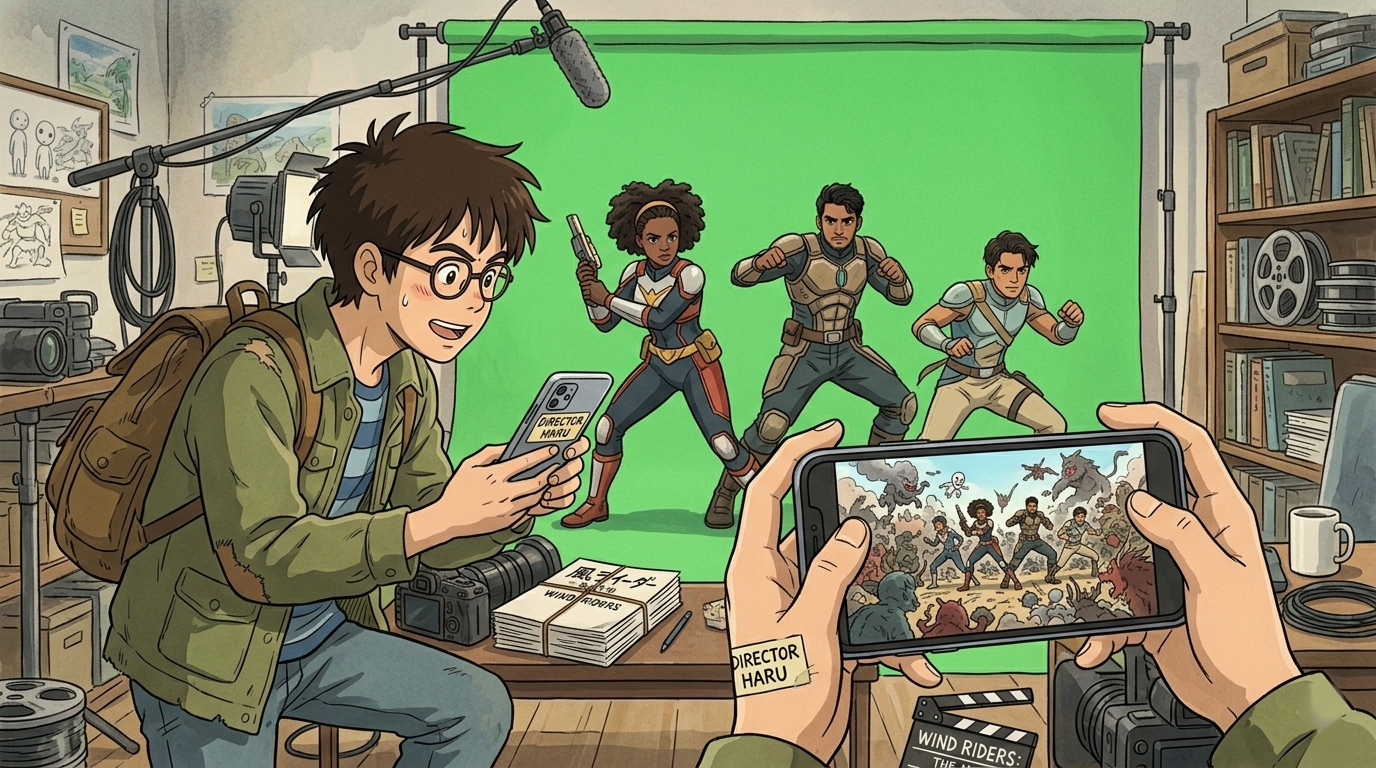
You can shoot a feature-length film on a phone that fits in your
pocket. Not a home movie—a film, with better resolution
than anything Kubrick ever had access to. You can edit it on a laptop
using software that would have cost tens of thousands of dollars a
decade ago and is now free. You can add a musical score composed by
an AI that has studied every genre from baroque to rap, and if you
do not like what it produces, you can ask it to try again in the time
it takes to pour a cup of coffee.
(You can also provide your own original melody, and the AI will
write an arrangement around it.)
You can write a novel with an AI amanuensis that handles the
mechanical labor of producing polished prose from your notes and
outlines, the way I described in my essay on the
skills of
an author. The ideas, the characters, the plot—those are
still yours. But the typing? The AI types beautifully, tirelessly,
and without judgment.
You can generate illustrations, book covers, concept art, and
architectural renderings by describing what you want in plain
English. You do not need to know how to draw. You need to know what
you want—which, it turns out, is the harder skill and
always has been.
You can compose music without playing an instrument. You can clone
your own voice, or create a new one, for a podcast or an audiobook.
You can build a website—I am doing exactly that, right
now—with tools that understand your intentions well enough to
write the code while you focus on the content.
Every one of these capabilities would have seemed like science
fiction when I was sitting in that kindergarten classroom, making up
stories about Gulf stations. Every one of them is available today,
most of them for free or close to it.
The New Markets
Tools are only half the revolution. The other half is
where the audience went.
The audience left. It left the bookstores, the movie theaters, the
record shops, the galleries. It did not stop consuming—it
started consuming differently, in places the old gatekeepers do
not control and, in many cases, do not even understand.
A novelist today can publish on Amazon and reach more readers in a
week than most traditionally published books reach in a year. A
musician can release an album on Spotify or Bandcamp without anyone's
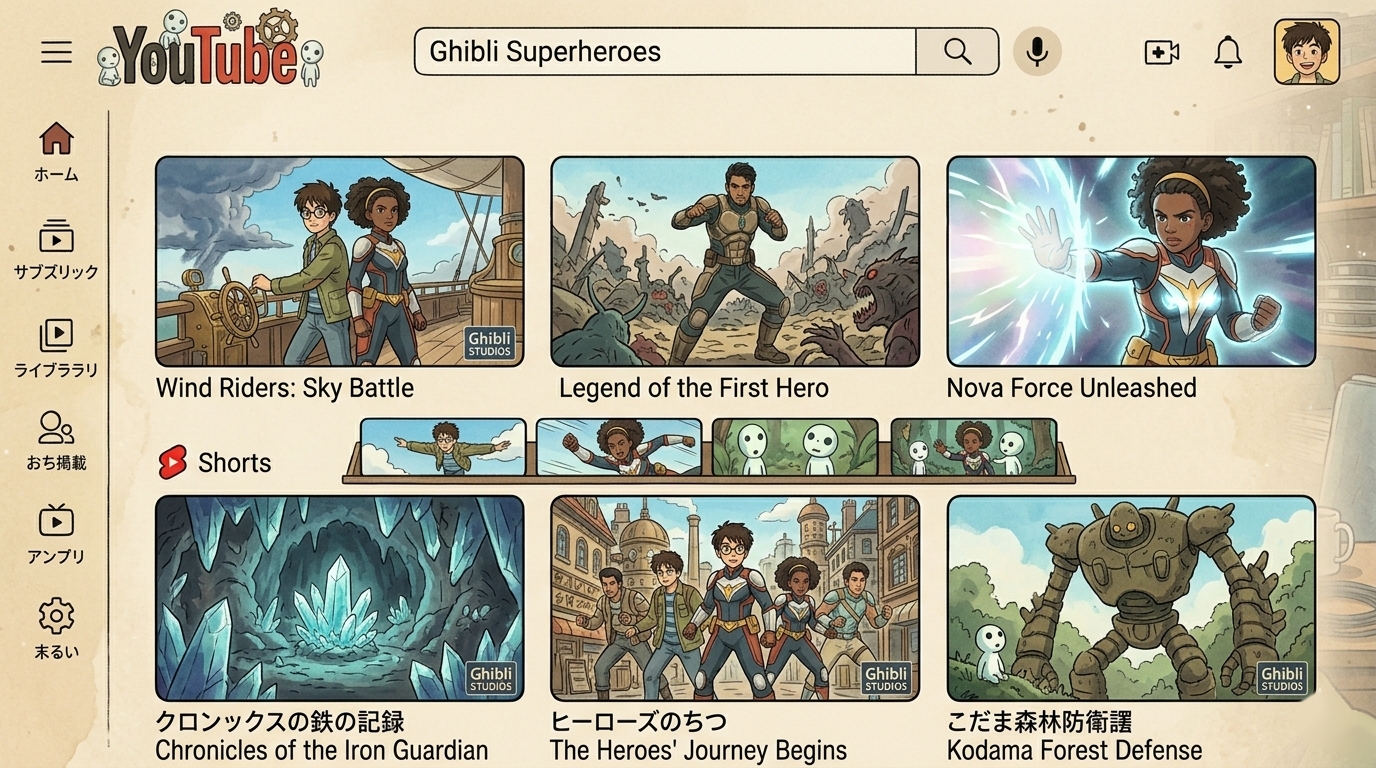
permission. A filmmaker can premiere on YouTube and build an audience
of millions—remember "Where The Bears Are," the gay comedy
series shot on a zero-budget phone? The creators turned a handheld
camera into a studio, built a loyal following, and sold DVDs on the
side. No studio, no gatekeeper, just a Wi-Fi connection and a story
worth telling.
Writers are building careers on Substack, where readers pay directly
for essays and serialized fiction. Artists are selling prints, commissions,
and tutorials on Patreon. Photographers are licensing their work
through stock platforms that did not exist fifteen years ago.
Podcasters are reaching niche audiences that no radio station would
ever have served, because radio stations needed mass appeal and
podcasts do not.
The common thread is this: the middleman is optional. The
relationship between creator and audience has become direct, personal,
and sustainable in ways that the old system never permitted and never
wanted to permit, because the old system's entire business model
depended on standing between the two and taking a cut.
What the Skeptics Get Wrong
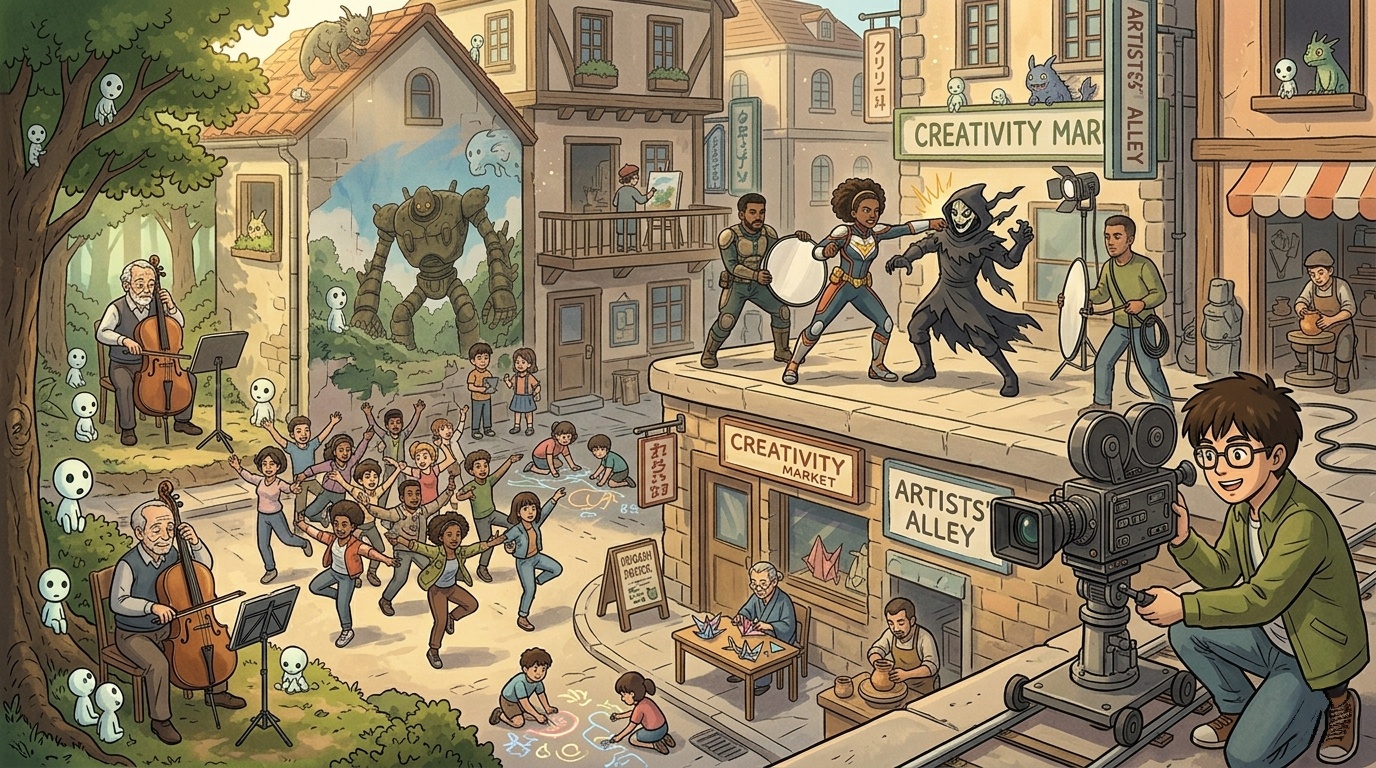
The objection I hear most often is that AI will make creativity
worthless. If anyone can generate a novel or a painting or a symphony
in seconds, why would anyone pay for one?
This gets the economics exactly backward. When production costs
drop, more people create, not fewer. When more people create,
the audience grows, because creators are also consumers. And when
the audience grows, the demand for work that is genuinely
good—work that has something real behind it, something
felt and lived and earned—does not decrease. It increases,
because the ocean of mediocre generated content makes the real
thing stand out like a lighthouse.
AI can imitate. It can predict the next word or the next pixel based
on trillions of examples. What it cannot do is experience. It
has never sat in a waiting room dreading a diagnosis. It has never
watched a sunset over the Gulf of Mexico and felt the particular
ache of beauty that is also loss. It has never been five years old,
writing a story in a workbook, not because anyone asked it to but
because the story was in there and had to come out.
The human element is not a quaint leftover from the pre-digital age.
It is the product. Everything else is packaging.
Useless Skills
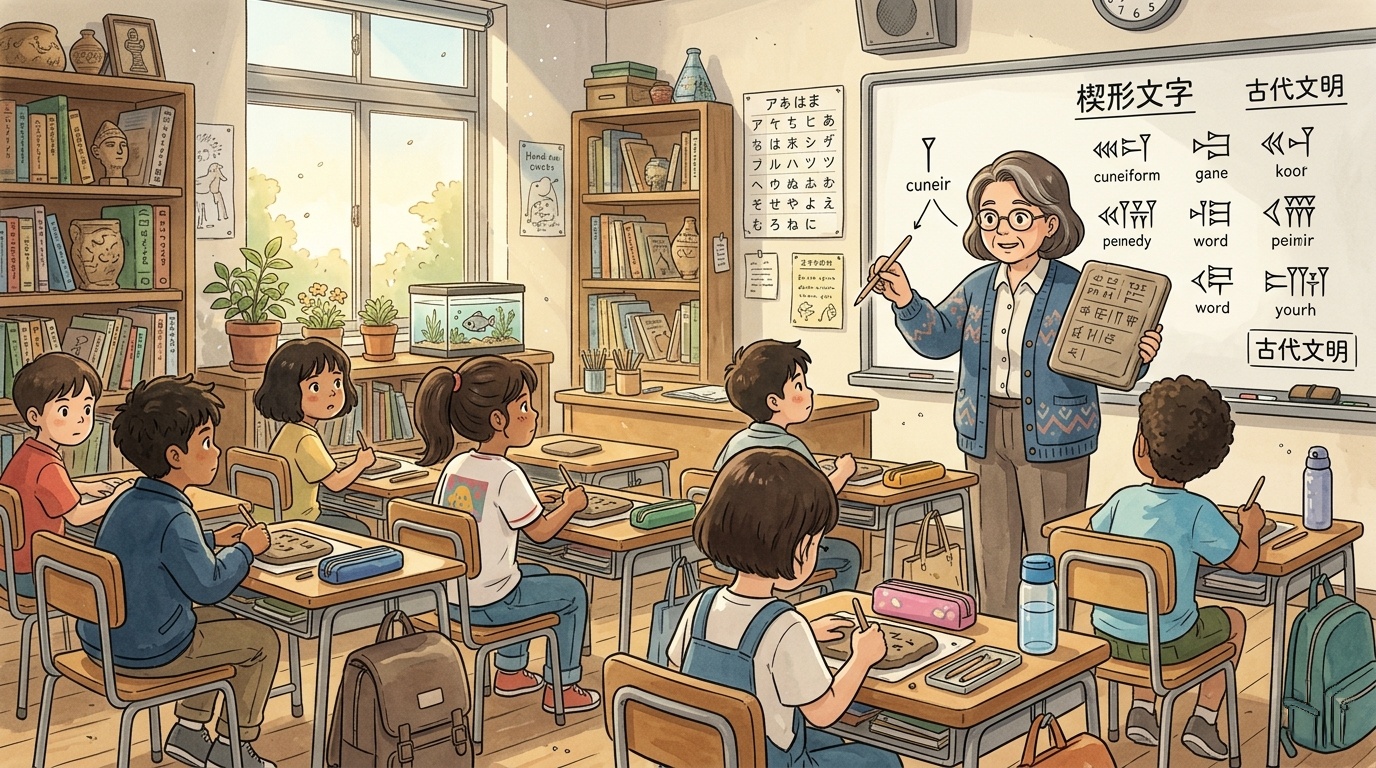
It's been a few years since most elementary schools have given up
teaching cursive handwriting, and I still see memes on Facebook
bemoaning its loss and/or demanding its return.
My response always is, "Why stop there? Let's bring back cuneiform, too!"
And why not? It would be exactly as useful as cursive, which is to say, not at all.
I get the ache of knowing something there's no longer any use for.
C'mon, I can develop black and white and even color film in a home
darkroom. I can write a tiny operating system in assembly language.
I can spell thousands of words correctly. None of those things retains
any practical value in today's world, nor will they in the future.
When I was a kid, grandparents were a source of knowledge. They knew
history, and skills, and stories. And everything they knew and shared,
was potentially applicable to me and my life. I don't feel that I
have anything useful to offer my grandkids in the way of life skills.
After all, my eldest grandson introduced me to AI!
My point is, the new tools do not diminish creativity; they transform it.
And resenting no longer needing old skills is basically just a variant
of "Get off my lawn!" It's a sign of a stiffening brain, resistant
to change, unwilling to learn the new skills that are the keys to
future creativity.
Creativity at Seventy-Five
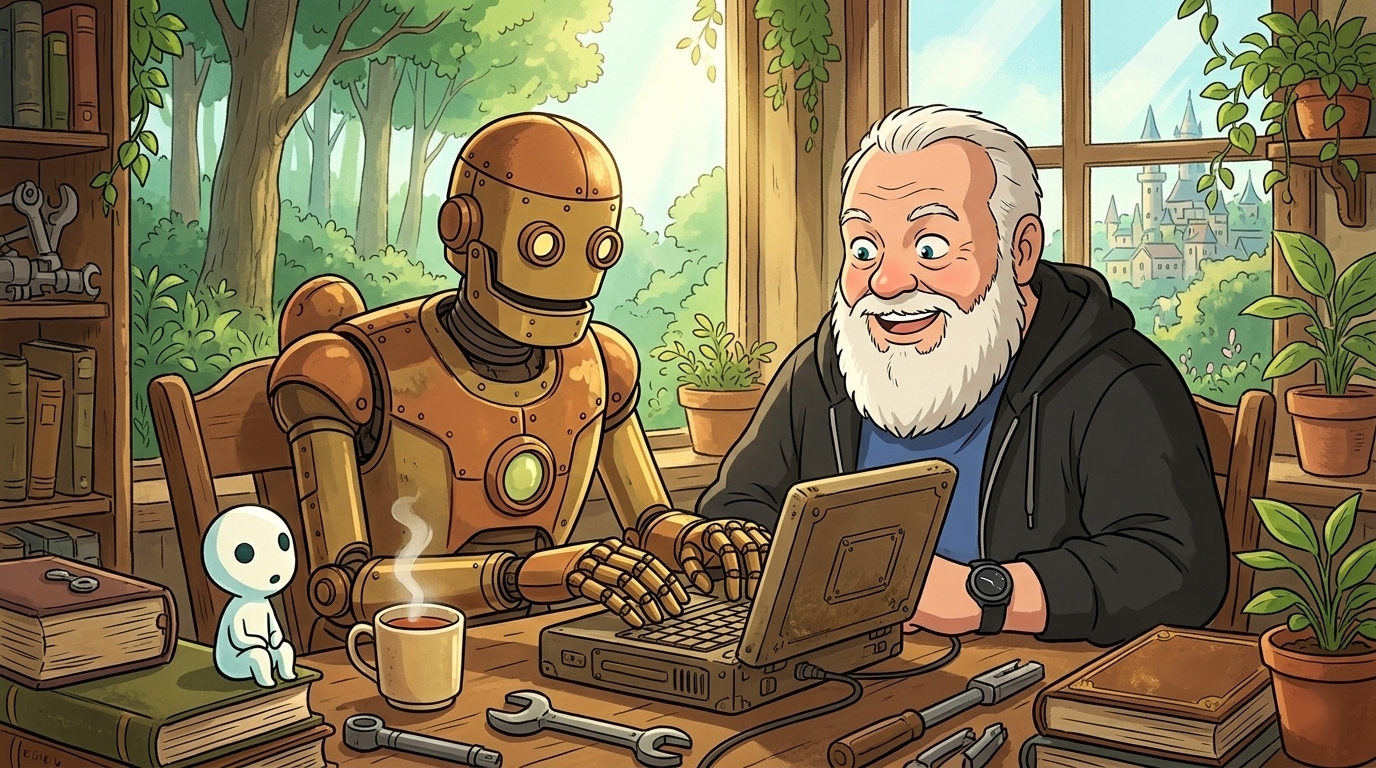
I am typing this at seventy-five. My knees hurt, my eyes are not
what they were, and I cannot remember where I put my cellphone
while I am holding it. But I have more creative tools at
my disposal than at any previous point in my life, and more ways to
reach an audience than I could have imagined at any previous age.
I am writing a novel with an AI that handles the prose (trained on
my own writing) while I
handle everything else. I am maintaining a website that I built
years ago in the old-fashioned way, but AI has allowed me to
add features and content
with an AI coding partner. I am writing essays—this one, for
instance—using tools that let me focus on what I want to say
rather than wrestling with formatting and markup. My photographs get
processed through software I helped design. My ideas go from brain
to page to published faster than ever before.
None of this replaces the hard part. The hard part has always been
having something worth saying. No tool, no matter how sophisticated,
can give you that. It comes from living, from paying attention, from
accumulating seventy-five years of sitting in diners and airports
and hospital waiting rooms, watching people and wondering what
their story is.
The old tools are fading. The old markets are gone. And I have never
been more creatively alive. If that is not something to be grateful
for, I do not know what is.