|
By: Paul S Cilwa |
Posted: 7/29/2024 |
|
Page Views: 169 |
| Hashtags: #Macadamia #Farming #Hawaii |
| Going nuts for macadamias. |
| Estimated reading time: 4 minute(s) (943 words) |
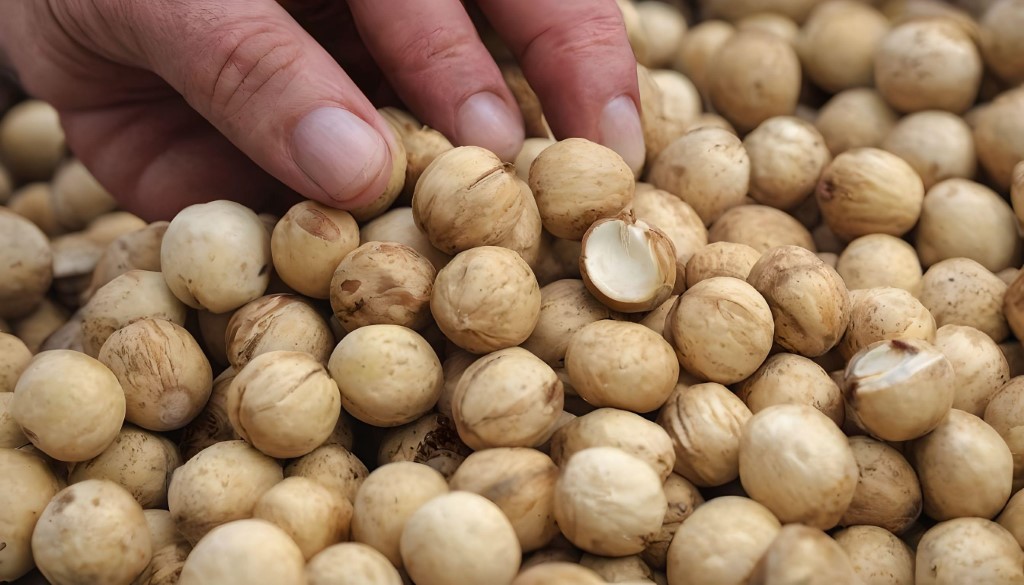
Origins of Macadamia Nuts
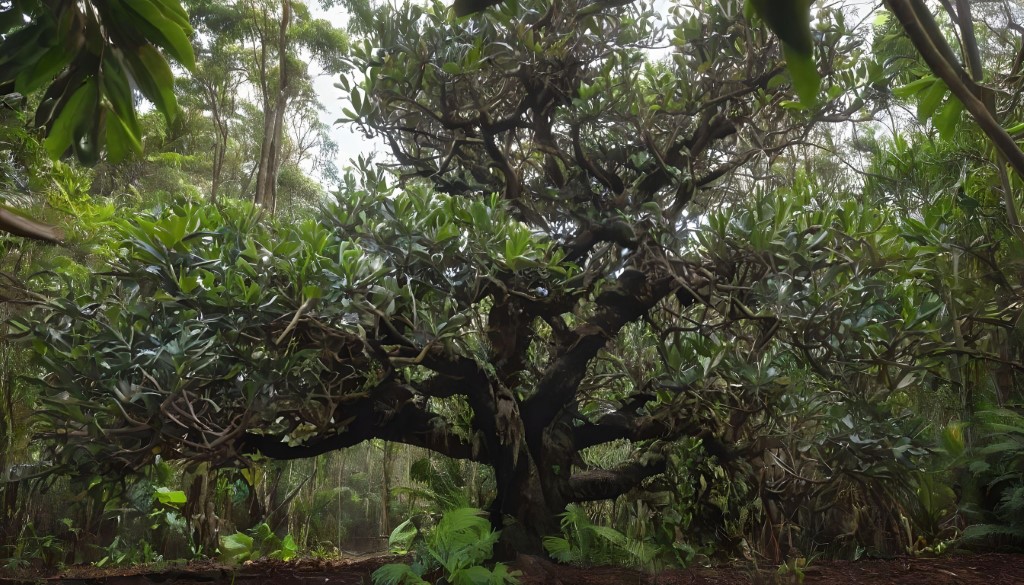
The macadamia tree, scientifically known as Macadamia integrifolia and Macadamia tetraphylla,
is native to the coastal rainforests of Queensland and New South Wales in Australia. The genus Macadamia was
first described in 1857 by German-Australian botanist Ferdinand von Mueller. He named the tree after his
friend, Dr. John Macadam, a noted chemist and medical teacher.

Indigenous Australians were the first to consume macadamia nuts, referring to them as bauple
or gyndl.
The nuts were an essential part of their diet and culture, prized for their nutritional value and flavor.
It wasn't until the 19th century that macadamia nuts began to be recognized outside Australia.
Cultivation of Macadamia Nuts
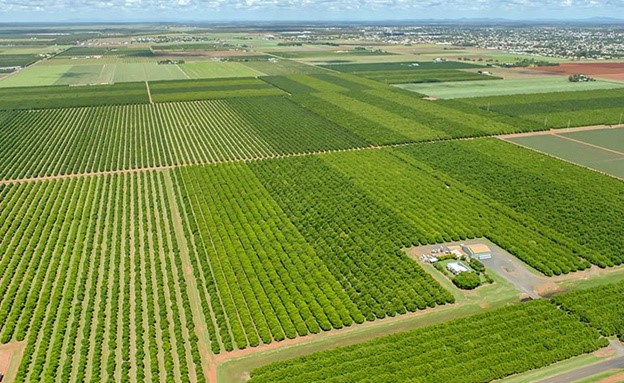
The macadamia tree thrives in a subtropical climate, requiring well-drained soil and ample rainfall.
Ideal growing conditions include temperatures between 59°F to 86°F, with no frost and minimal
winds. Today, macadamia nuts are commercially grown in several regions, including Australia, Hawaii, South Africa,
and Central America.
The cultivation process begins with planting seeds or grafted saplings in prepared orchards. It takes approximately
7 to 10 years for a macadamia tree to reach maturity and produce nuts. The trees can grow up to 20 meters tall,
though commercial orchards often maintain them at a more manageable height for easier harvesting.
Macadamia trees require careful management, including regular watering, pruning, and fertilization.
Farmers also need to monitor for pests and diseases, such as macadamia nut borer and Phytophthora root rot,
which can significantly impact yield.
Harvesting Macadamia Nuts
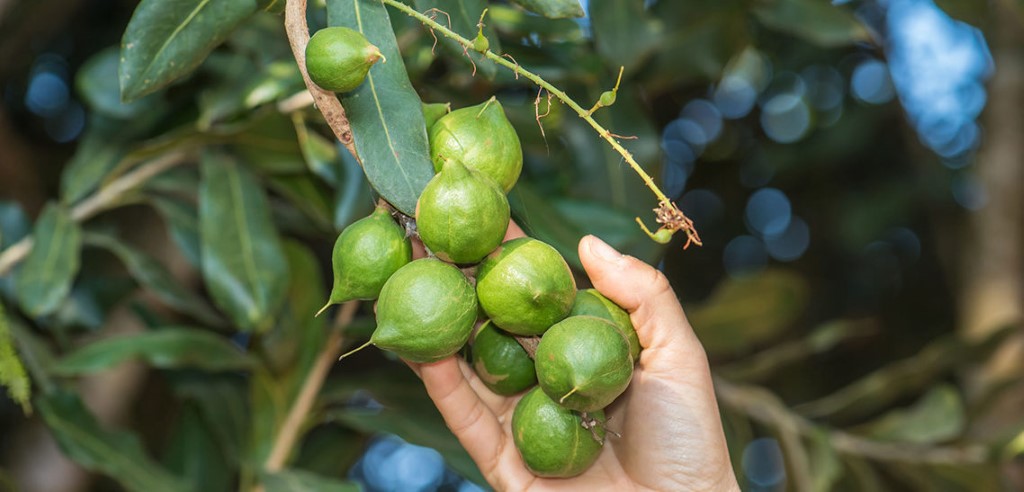
Macadamia nuts are harvested once they have fully ripened and fallen to the ground, typically between March and September,
depending on the region. The harvesting process can be labor-intensive and is often done manually to avoid damaging the
trees and nuts. However, in larger orchards, mechanical harvesters are increasingly used to collect fallen nuts efficiently.
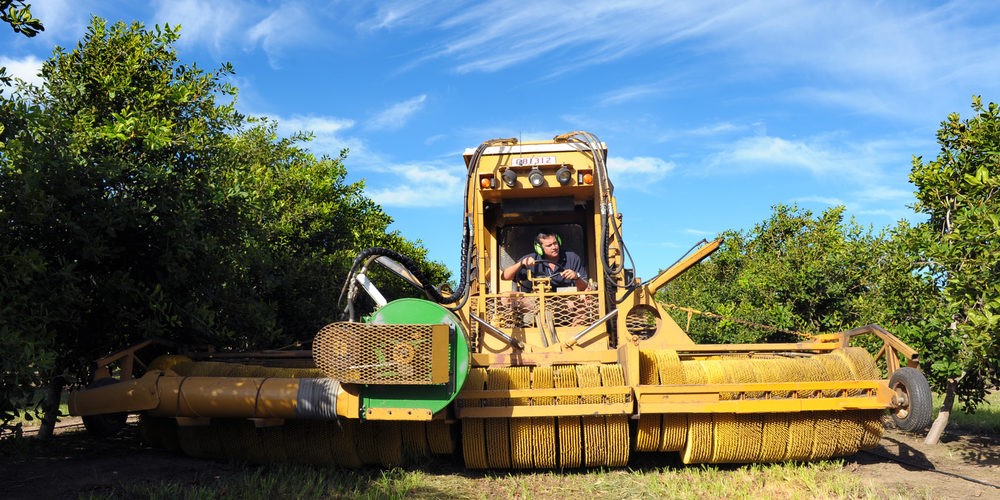
Once harvested, the nuts must be quickly processed to maintain their quality. The first step is to remove the fibrous outer husk,
revealing the hard, woody shell. This dehusking process can be done manually or with specialized machinery. After
dehusking, the nuts are air-dried to reduce moisture content, which helps preserve them during storage and transport.
Processing and Packaging of Macadamia Nuts
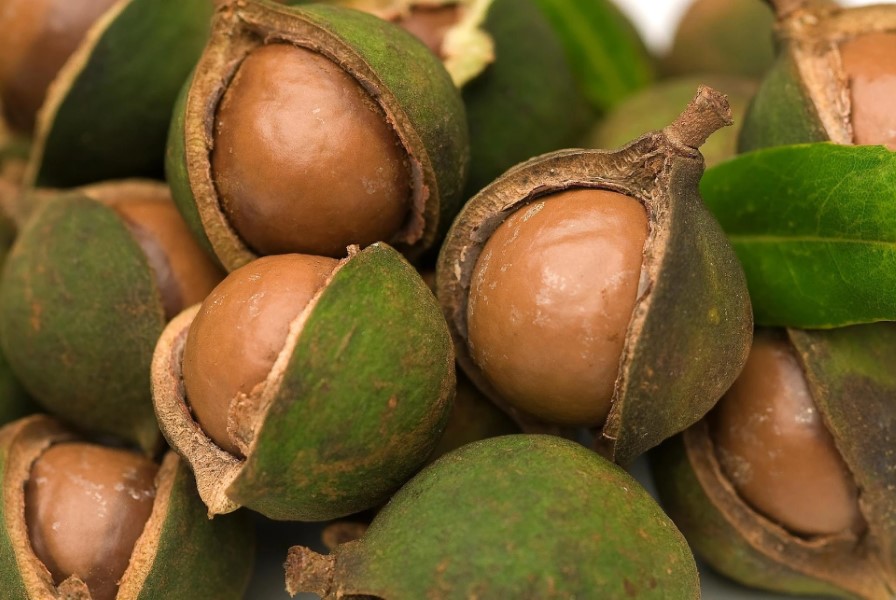
The next stage involves cracking the hard shells to extract the edible kernel. This step requires precision to avoid
damaging the delicate nut inside. Advanced machinery is typically used in commercial processing facilities to crack
the shells and separate the kernels.
After shelling, the kernels are sorted based on size and quality. They are then roasted or dried further to enhance
their flavor and shelf life. Some macadamia nuts are also salted or flavored with various seasonings to cater
to different consumer preferences.
Packaging is the final step before macadamia nuts reach the market. The nuts are usually vacuum-sealed or packed
in nitrogen-flushed containers to prevent oxidation and maintain freshness. Proper packaging also protects
the nuts from moisture, light, and pests, ensuring they reach consumers in optimal condition.
Global Market and Economic Impact
Macadamia nuts are a high-value crop, with significant economic contributions to the regions where they are grown.
Australia remains the largest producer, followed closely by South Africa and Hawaii. The global demand for macadamia
nuts has been steadily increasing, driven by their popularity as a healthy snack and a premium ingredient in various
culinary applications.
The economic impact of macadamia nut production extends beyond the farmers. The industry supports a wide range of
associated businesses, including nurseries, processing facilities, transportation companies, and retail outlets.
In many regions, macadamia farming also provides vital employment opportunities and contributes to rural development.
Nutritional and Health Benefits

Macadamia nuts are not only delicious but also packed with nutrients. They are an excellent source of monounsaturated
fats, which are beneficial for heart health. These nuts also provide essential vitamins and minerals, including vitamin
B1 (thiamine), magnesium, manganese, and copper. Furthermore, macadamia nuts are rich in antioxidants, which help
combat oxidative stress and inflammation in the body.
Consuming macadamia nuts in moderation can support weight management, improve metabolic health, and reduce the
risk of chronic diseases such as heart disease and type 2 diabetes. Their high fiber content also
promotes digestive health and aids in maintaining healthy blood sugar levels.
Environmental Considerations
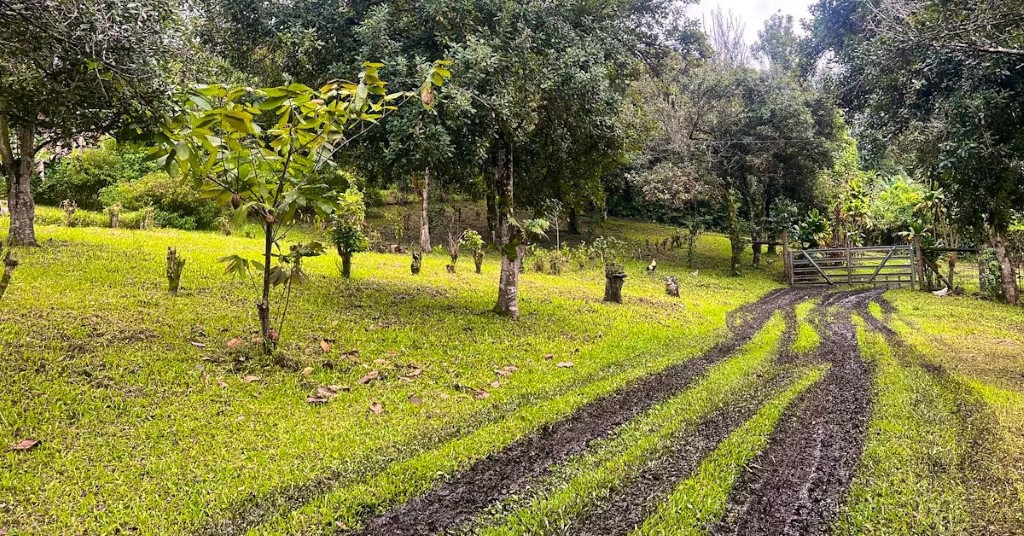
While macadamia nuts offer numerous benefits, their cultivation and production are not without environmental challenges.
Sustainable farming practices are essential to minimize the impact on natural ecosystems and ensure the long-term
viability of the industry. These practices include efficient water use, integrated pest management, and soil conservation techniques.
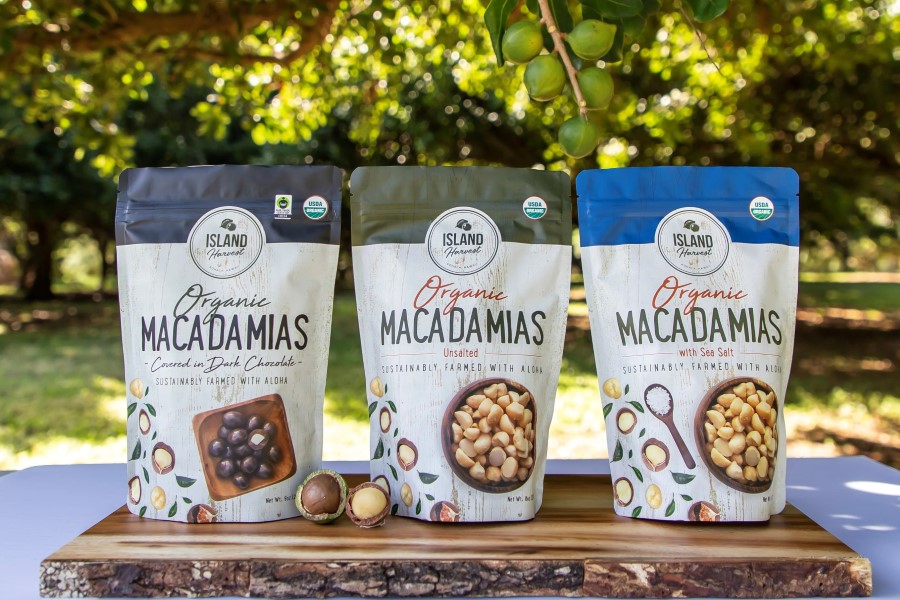
Many macadamia farms are adopting organic and regenerative agriculture practices to enhance biodiversity and soil health.
Additionally, efforts are being made to reduce waste and energy consumption in processing facilities,
contributing to a more sustainable macadamia nut industry.
Conclusion
The journey of macadamia nuts from their origins in the rainforests of Australia to becoming a globally cherished
snack is a testament to the intricate and multifaceted nature of agricultural production. The cultivation,
harvesting, processing, and packaging of these nuts require careful attention to detail and a commitment to quality.
As demand for macadamia nuts continues to grow, sustainable practices will be crucial in ensuring that this delicious
and nutritious nut remains a valuable part of our diets for generations to come.