|
By: Paul S Cilwa |
Occurred: 10/10/1969
Posted: 12/19/2024 |
|
Page Views: 123 |
| Hashtags: #Autobiography #Tampa #Florida #TampaTechnicalInstitute #ITT #FloridaStateFair |
| Crashing into adulthood in 1969-1970. |
| Estimated reading time: 11 minute(s) (2493 words) |
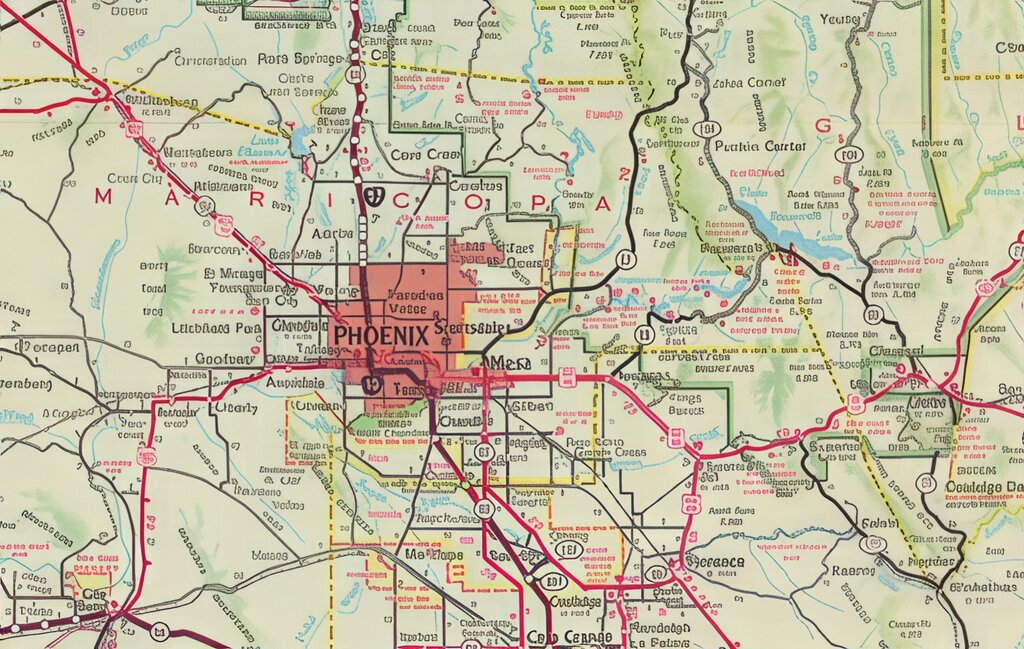
She didn't want me going so far away from school. How do I know this? Well, not
because she actually told me. No; instead she told my sisters, and cried
about it in front of them. So, of course, they told me.
No one could weaponize guilt better than my mom.
It wasn't me who contacted Tampa Technical Institute. The first I ever heard of it
was when I got home to find a man in the living room, talking to Mom.
He was all smiles and slick promises, telling us how their school would be
my golden ticket to a better future. He guaranteed that they'd find
me an apartment and a job, no problem. "Leave the student loans to us,"
he said, as if it were a minor detail. I couldn't help but feel he was selling
more than education.
But I wound up going to Tampa Tech.
In addition to directly paying Tampa Tech, I got a check from the student loan lender
in the amount of $1200. I used half of that to buy my first car, a 1967 Plymouth Valiant.
In it, my high school classmate (and former resident of the house we subsequently bought)
Joe Oliveros and I made a test run to Tampa. I kind of thought we would wind up
renting a place together. And the trip went well; but Joe didn't contact me
afterwards and I didn't think to call him, as it would have been too embarrassing
to hear him say he didn't want to share a place with me after all.
As it turned out, Joe moved in with other friends who already lived in Tampa. Also,
he signed up for day classes while I, who had to hold a job to pay my rent and school,
took night classes. As a result, I never actually saw Joe in Tampa after that first trip.
Besides, my mom had made arrangements for me to rent a room from an elderly couple who
were friends of another elderly couple who were friends of my grandmother's.
I would stay there until I could find a more suitable place.
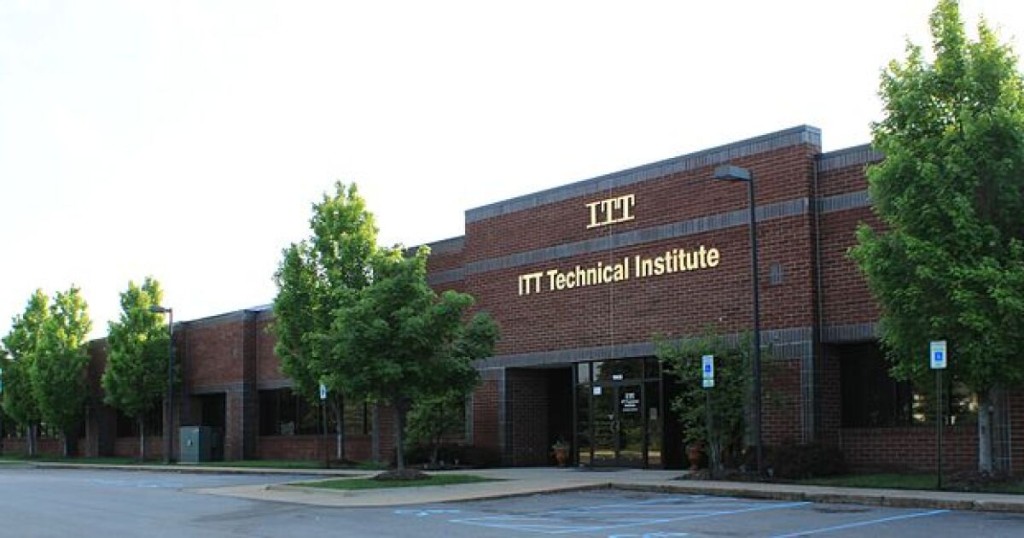
So in mid-October I appeared at the door of the Tampa Technical Institute.
They also had a guidance counselor, who seemed a bit miffed that I'd been
promised accommodations and a job. But she gave me the name of a company that
was hiring, and the address of an apartment building with a vacancy.
The classes I took were basic electricity and electronics. The material was simple
enough that I didn't need to study outside school hours. I remember buying
frozen turkey pot pies for a quarter and cooking them in the school lunchroom's
newest innovation, a "microwave" oven.
Something funny that happened was when a guy in a day class dozed off and
was still asleep when the night class ended. (The night class snuck in and out
so as not to wake him.) So someone grabbed a mop, pretending
to be a janitor, and banged into the room, waking the poor kid up. "What time is it?"
he asked, panicking at the fact it was dark outside.
The faux janitor looked at his watch in faux astonishment. "It's 5:30 in the morning!"
he cried. "Have you been here all night?" The kid, shaking his head in desperation,
grabbed his books, jumped into his car and left before anyone could tell him what
time it really was (about 10:30 PM).
The school also had an unlicensed, small-scale radio station called
carrier current radio. Carrier current radio stations operate
on AM frequencies and are typically limited to a range of about 200 feet
from the power line they are connected to. These stations are often used
in educational institutions and do not require a license to operate.
So I volunteered to be a disc jockey. I had my (as yet unused) FCC license,
which wasn't needed. But because of it they put me in charge of the station
and the other DJs. To say their record collection covered a variety of genres
would be an understatement. It was in playing records here that I first heard of
Nilsson and Moms Mabley (!).
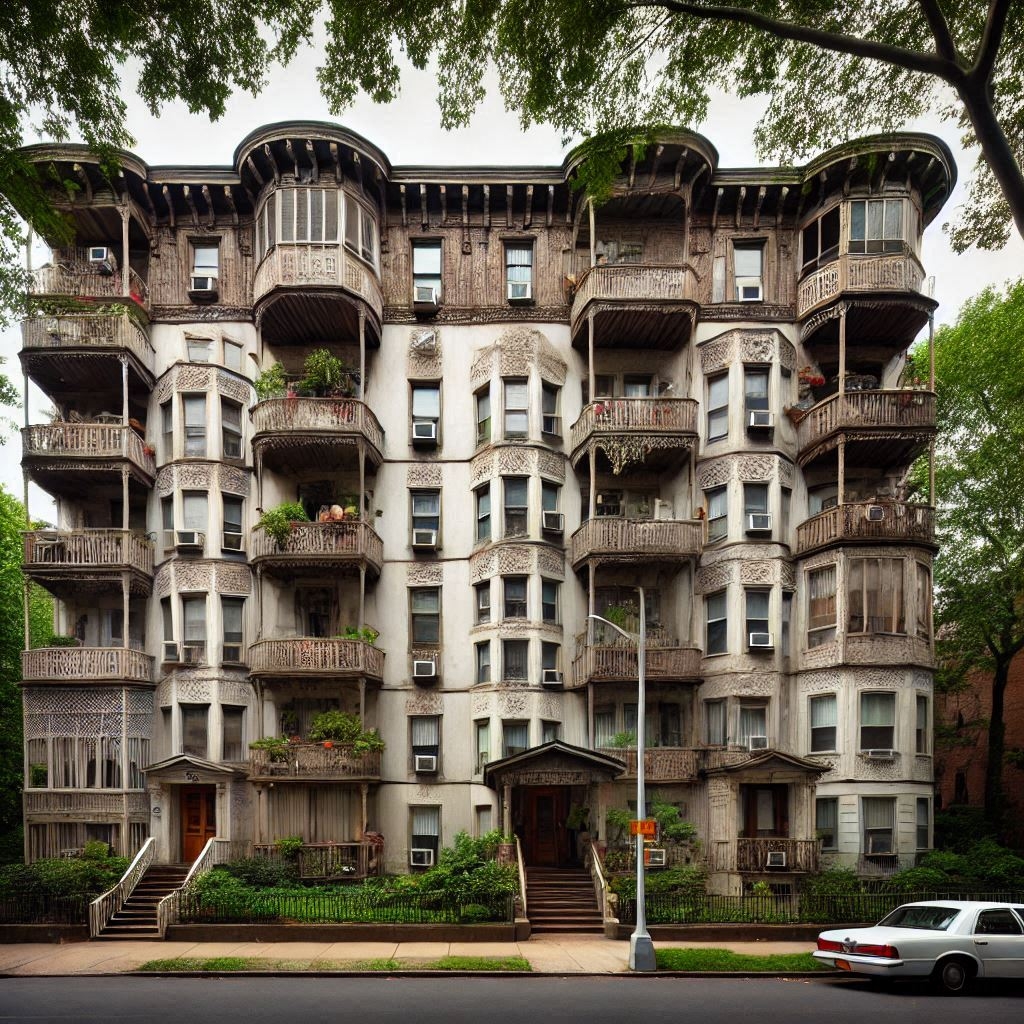
The apartment was on Beech Street, a road that no longer exists, as it was
buried by an expressway. It was in Tampa's venerable Hyde Park district. My rent was
$60 a month. The building was about 90 years old and definitely a fire trap. I was on
the second or third floor.
The apartment next to mine was larger than mine, and a guy named Bill Saunders lived there.
We became pals and continued our friendship after he moved back home to the town of Lutz.
I moved into his apartment, and a young woman moved into the one I'd had.
One day she asked me to change a light bulb for her. It was in the bedroom, the
walls and ceiling of which she'd painted blood red. The light bulb she
wanted me to put in was also red. Then I began noticing guys coming to visit her.
I mean, a lot of guys. Eventually they were literally lined up in the hallway,
waiting to take a turn visiting her.
One day she knocked on my door, asking for aspirin. "What's the problem?"
I asked cattily. "Bed sores?" But she only laughed.
"No kidding!" was her wry reply.

My high school friend Chris Palmes, with whom I had made the
trip to Vermont,
was moving with his family into an old house they owned in Kathleen, Florida. Now,
at this point, I hadn't solidified my dislike of cities (as opposed to country).
But I found myself desperately craving greenery. So I made a visit to
Chris's. It was the weekend before the rest of his family would be moving in.
Chris was getting it ready for them. But this also meant that there were no
adults (in 1969, adulthood wasn't thought to begin until the age of 21) to
supervise. So Chris found someone to buy alcohol, and by the time I got there
Chris, his brother, and a few of their friends were pretty deep in their cups.
I had barely said "Hello!" when a couple of cop cars showed up. A cop asked me
how much I'd had to drink. "Nothing!" I said. "I'm a tea-totaller." He apparently
believed me; but carried Chris and the others off to the county jail,
Chris begging me not to call his mom as he was pushed into the squad car.
I followed and, eventually, gave Chris and the others a ride back to Kathleen
when they were released.
That was only the first time I had to rescue someone from excessive and/or
underage drinking.
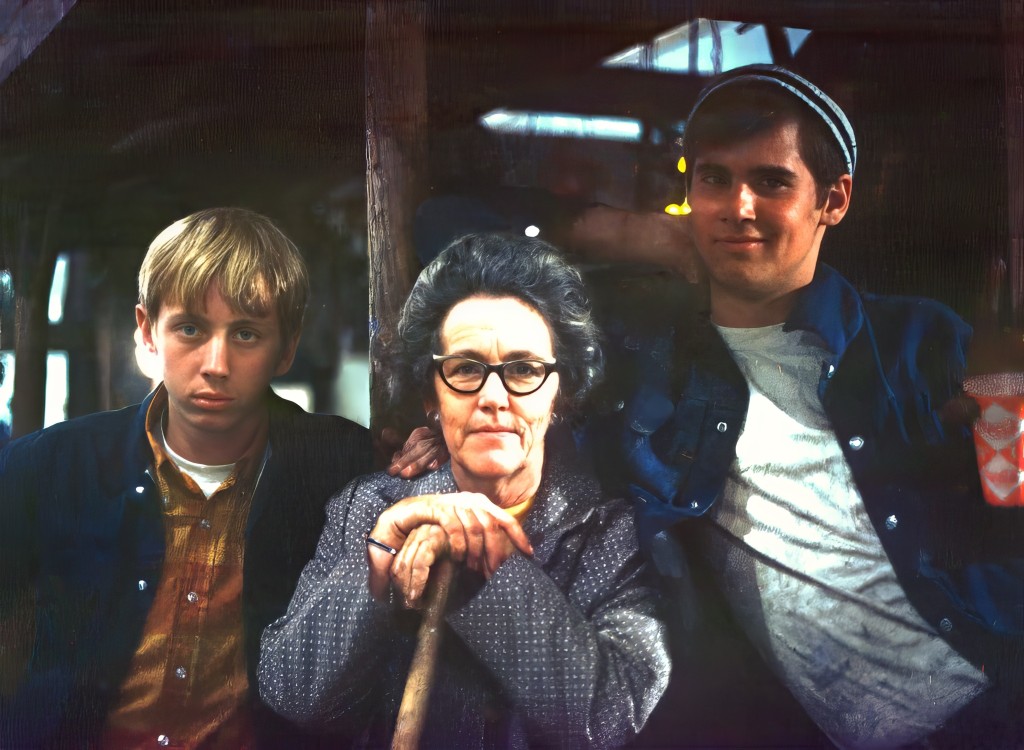
I also hung out with Bill Saunders' family in Lutz. I don't have a photo of him
from that period, but I did take a picture of his mom and brothers.
The 1970 Florida State Fair in Tampa was a vibrant showcase of the state's
agricultural prowess and cultural diversity. Held from February 7 to
February 17, the fair drew visitors from across Florida, including
small towns like Lutz. These communities played a crucial role by
contributing local produce, crafts, and livestock, adding a unique
charm and authenticity to the event. The fair not only provided a
platform for small-town farmers and artisans to display their talents
but also fostered a sense of unity and pride among Floridians.
It was a time when the state's rich agricultural heritage was celebrated,
and the contributions of small towns were recognized and appreciated.
Being just 18, and living on the other side of the state, I hadn't heard
of this before. But Lutz' contribution was Old MacDonald's Farm, built
in a huge space and containing a barn, a farmhouse, lots of animals…
and me! Yes, when I was visiting the Saunders (or, really, anyone) I always
took my guitar and almost always found an excuse to play and sing. When Mrs.
Saunders heard me, she asked if I'd like to perform at the Fair at
Old MacDonald's Farm.
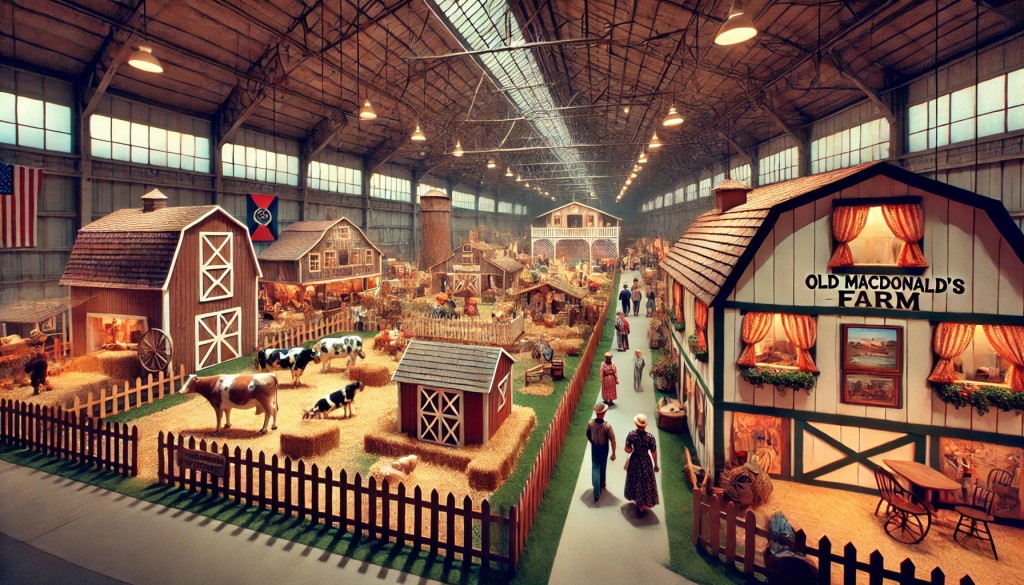
No money was involved, but that was no problem. They put me in a pen
with several baby animals: a couple of lambs, a baby goat, a calf,
and a litter of piglets. I sat on a stool and played and sang while
the baby goat alternated chewing on the collar of my turtleneck shirt,
and my earlobes.
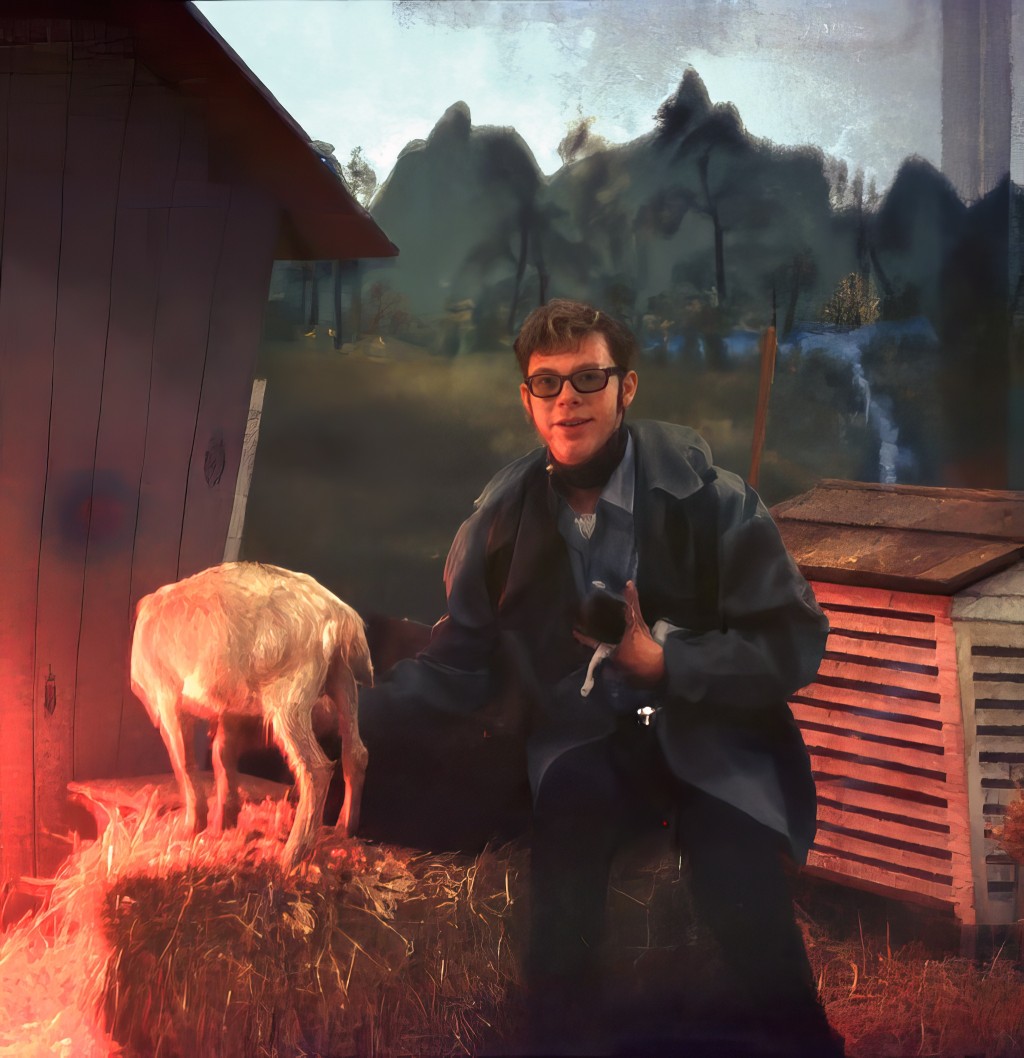
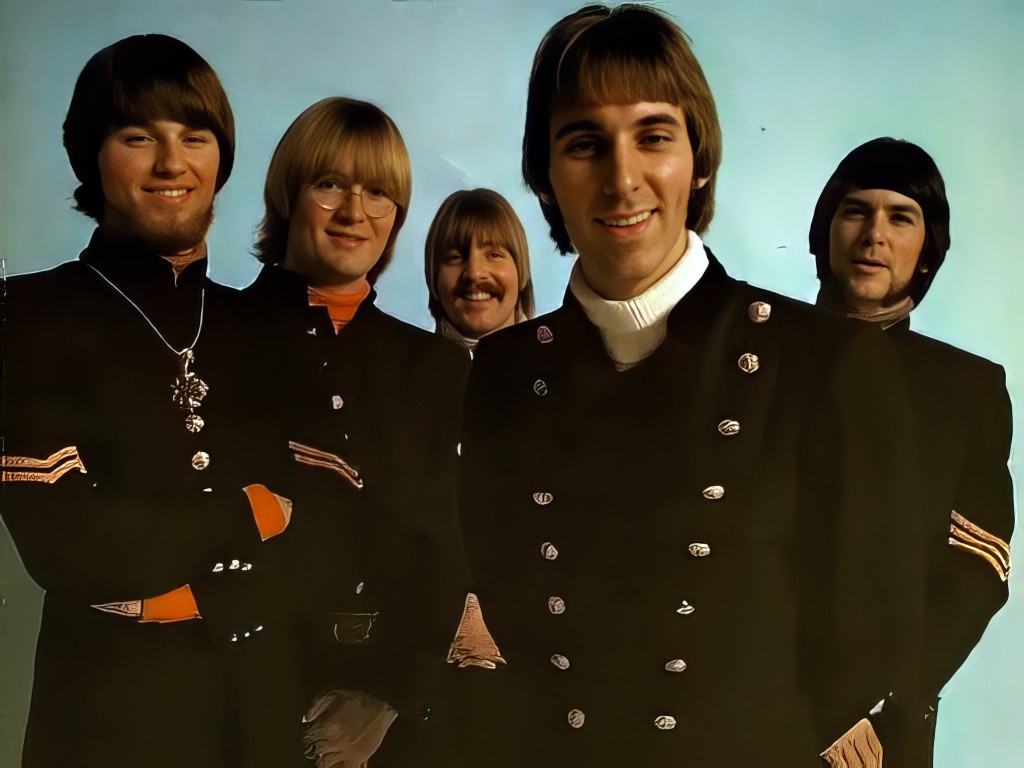
As I was performing "Falling In Love With You", a couple of men in Civil War
greatcoats, strolling past, stopped and started singing with me.
This was an improvement; I was basically being ignored by everyone but the baby goat.
But it was more exciting than that, because I recognized them:
It was singer Gary Puckett and one of the other members of his group,
The Union Gap. These were my favorite artists of the day, so I was
really excited and wanted to meet; but of course they moved on
before I was able to finish the song. But
decades later (at another state fair, this one in New Hampshire), I was finally
able to meet Puckett and verify that he had, indeed, performed in Tampa
that winter. He didn't actually remember hearing me sing, but, as he put it,
"We were pretty much stoned all the time back then. I don't really remember
the seventies very well."
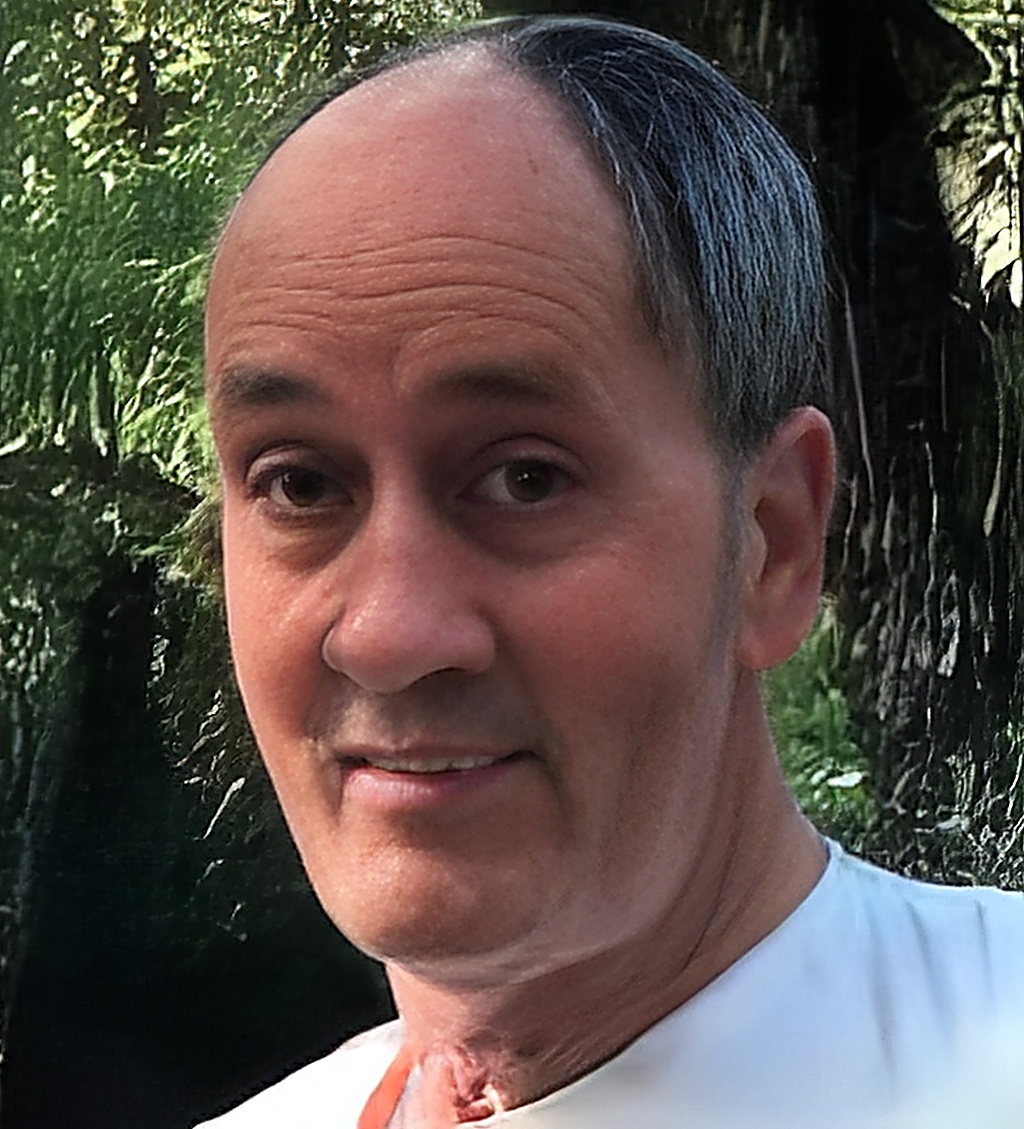
Bill Saunders wrote me from Vietnam a few years later, where he was a lineman
for the Army. He described having to climb telephone poles and trees there,
with a rifle, because snipers often took aim at linemen. But he made it back home.
We lost touch. In researching this chapter, I tried looking him up, only to find he
died just a couple years ago, in 2022.
By the end of December, I was pretty much fed up with living in poverty.
I quit school (where I wasn't really learning anything, anyway) but continued to
work at the Stanley Chair Company. So let me tell you about that.
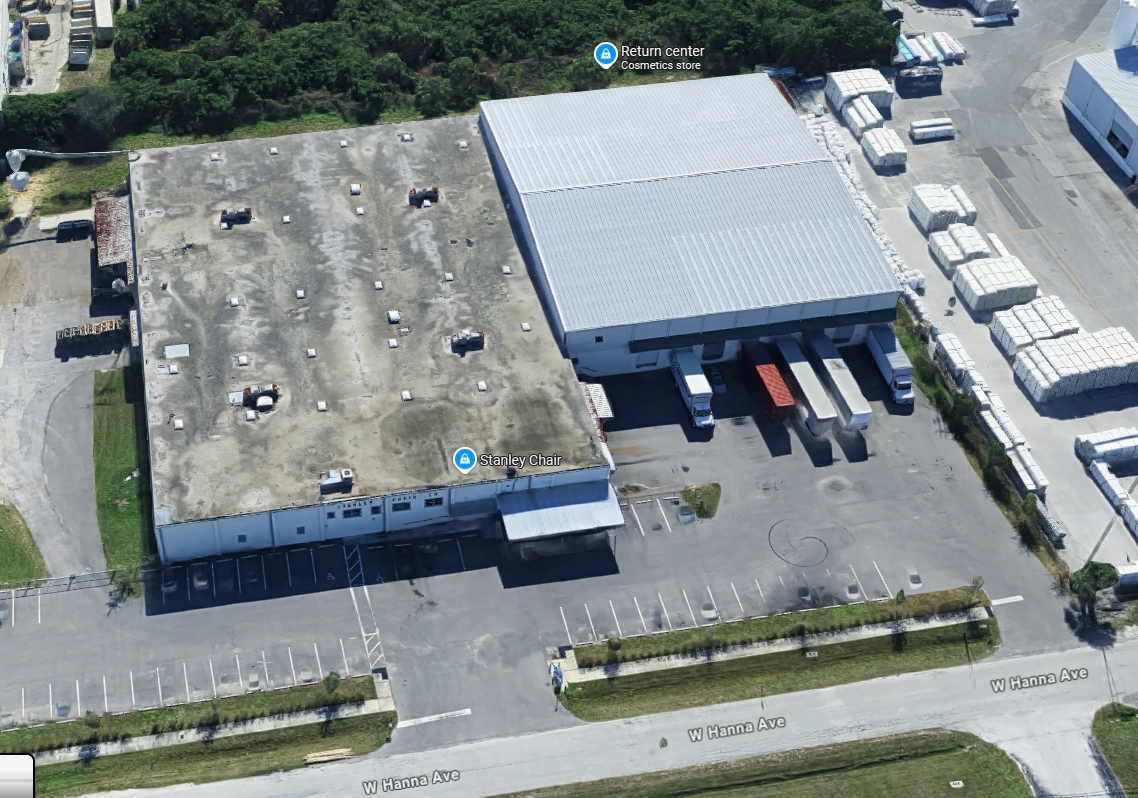
Stanley Chair's modest history begins with David Osiason and his three sons Ken,
Burt, and Elliot, purchasing a fledgling upholstery factory in Tampa, Florida in 1949.
The Osiason family had been manufacturing furniture and bedding since the late
1800's in Massachusetts and Missouri, and they realized the potential of Florida
styled furniture and the Florida market.
In 1969, "Florida-style furniture" mostly meant furniture for mobile homes.
They were cheap and, in my opinion, not very attractive. But they had cushions,
and my official job title was Cushion Stuffer, a task which I performed
manually, as was the case with all the other jobs in the factory.
Unaccustomed as I was to physical labor, I put on 10 pounds of muscle in four months,
from 160 pounds to 170.
I'm guessing the Osiasons either built the factory themselves, or repurposed
a WWII war plant. In either case, by 1969 the place was a fire hazard. No smoking
was allowed in the building because the insurance company had determined that
a single spark landing on the decades' worth of wood, cardboard, and styrofoam
dust would cause the entire building to flash and burn within ten seconds.
No one would escape! So the smokers (which was everyone but me) would go outside
during breaks; and I went with them rather than stay inside and risk my life
from a loose spark.
Ken, the oldest son, was the manager. I was making minimum wage ($1.60 an hour)
and, after a few weeks, I decided to ask for a raise. I hated the idea
of asking, but I was literally starving from not having enough money for food.
When I asked to speak to him, he took me to the showroom (where normally we weren't
allowed) and had me take a seat. But he continued to stand, and after I had asked,
he turned me down.
Pondering over what had happened, I realized that by getting me to sit while he
stood, he had towered over me and used that psychological advantage to win the
exchange. So, a couple weeks after that, I asked again to speak with him
and, again, he led the way to the showroom. But this time when he asked me to sit,
I said, "Please, you first." Surprised, he sat. Then I, still standing, went into
my spiel about how, if I didn't make more money, I would simply have to find
work elsewhere.
I got the raise. And I got more raises, albeit a nickel at a time, each month
thereafter.
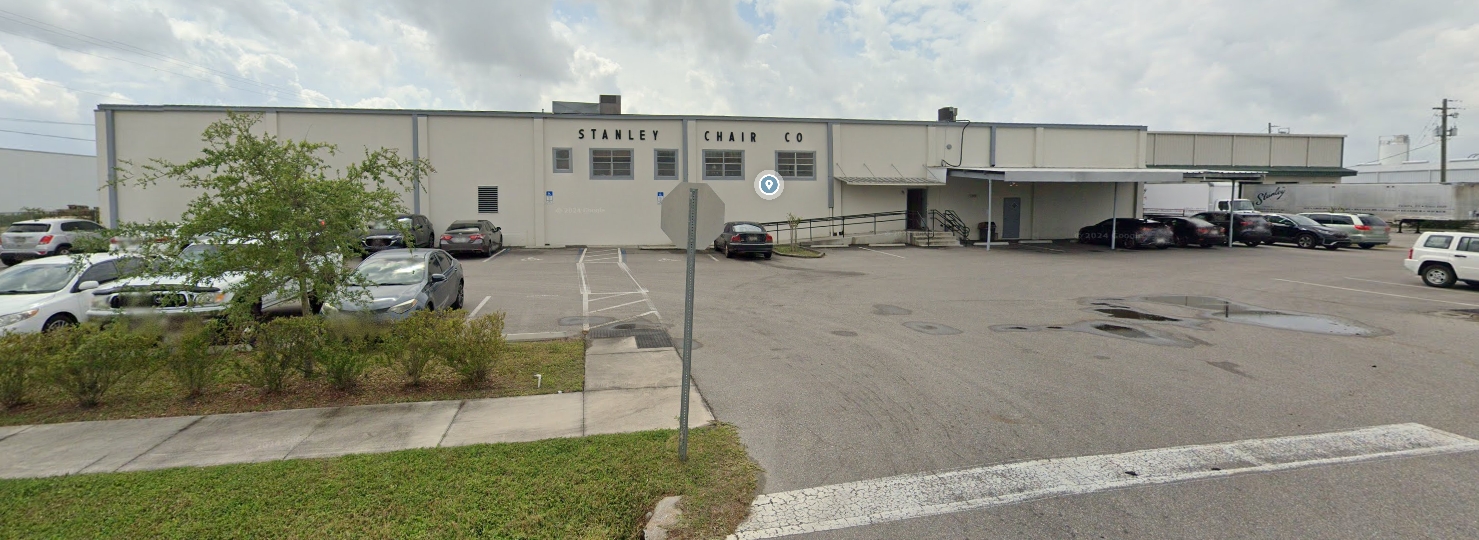
It was while working there that I had my first car accident.
February that year was cold, I mean, really cold. The interior of the building
wasn't heated; so we had to work in our coats. And it was even colder outside
at break time, not to mention foggy, the kind of fog that just penetrates to the bones.
So one day I decided to get in my car and drive around the block until the
heater came on. One of the intersections involved had a four-way stop sign. So
I stopped, then started through it—and was promptly hit in the passenger
door by someone who didn't stop.
Of course we got out and exchanged licence and insurance information.
What seemed weird to me at the time, and since then also, was that we
were both 18; both with April birthdays, and both driving
identical white 1967 Valiants!
Someone must have called the police, who arrived and took our information.
A tow truck appeared for the other car, along with the driver's dad, who
tried to convince the police that I must have been at fault, by driving too
fast. The police didn't buy it, though, as there were no skid marks,
just a sideways slide because my car was in the intersection when
he crashed on through.
Mine was horribly damaged but still worked. I eventually took my car to an auto body shop.
They loaned me some ancient thing with wheels to drive while they took a week to
fix mine. Eventually I got it back, though; and drove it several more years.
But by February I had had it with living in a hovel, always being hungry,
and worrying about being burnt alive. So I put my meagre belongings back in my
car and returned to Mom's house in St. Augustine.