|
By: Paul S Cilwa |
Occurred: 4/6/1980
Posted: 7/28/2025 |
|
Page Views: 204 |
| Hashtags: #Easter #ManassasNationalBattlefieldPark #BullRunRegionalPark #CivilWar |
| Mixing mythology and history. |
| Estimated reading time: 5 minute(s) (1145 words) |
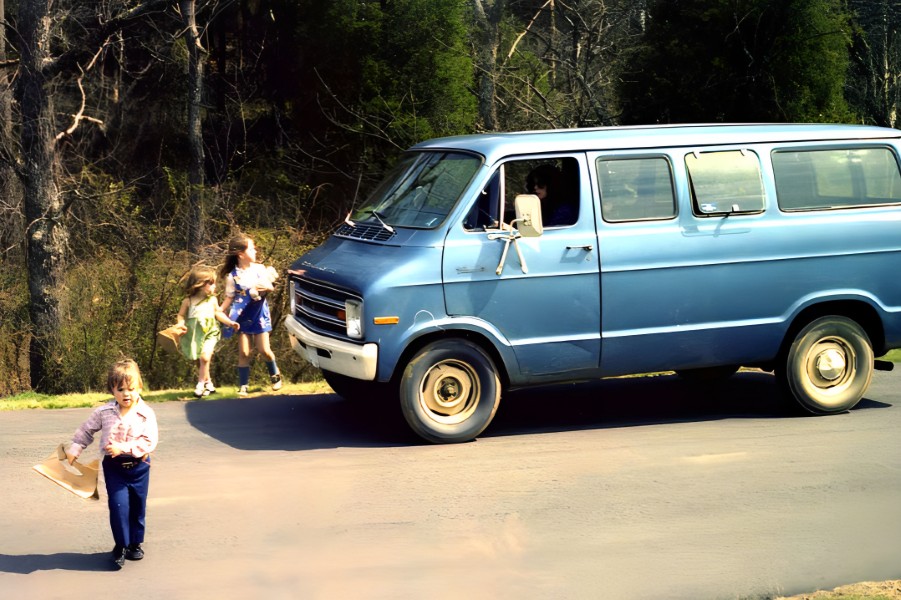
I wasn't unemployed long. In fact, I had a contract the very next day, doing
simple programs on coding sheets, at home. My contracts were coming from a
company called EDP Temps. This staffing agency specialized in placing IT
professionals (programmers, analysts, and consultants) into short-term and
contract roles during the early days of corporate computing. In 1980,
EDP Temps was a key player in the tech staffing world, helping companies
scale up quickly with skilled professionals as demand for computing expertise
exploded.
Manassas National Battlefield Park, located in Prince William County, Virginia,
preserves the hallowed ground where two pivotal Civil War battles unfolded:
the First Battle of Manassas (Bull Run) in July 1861 and the Second Battle
of Manassas in August 1862. The park was officially established in 1940 to
protect these historic sites and interpret their legacy for future generations.
By 1980, the park had grown to over 5,000 acres and was undergoing a major
expansion following the passage of Public Law 96-442, which authorized the
acquisition of additional historically significant tracts.
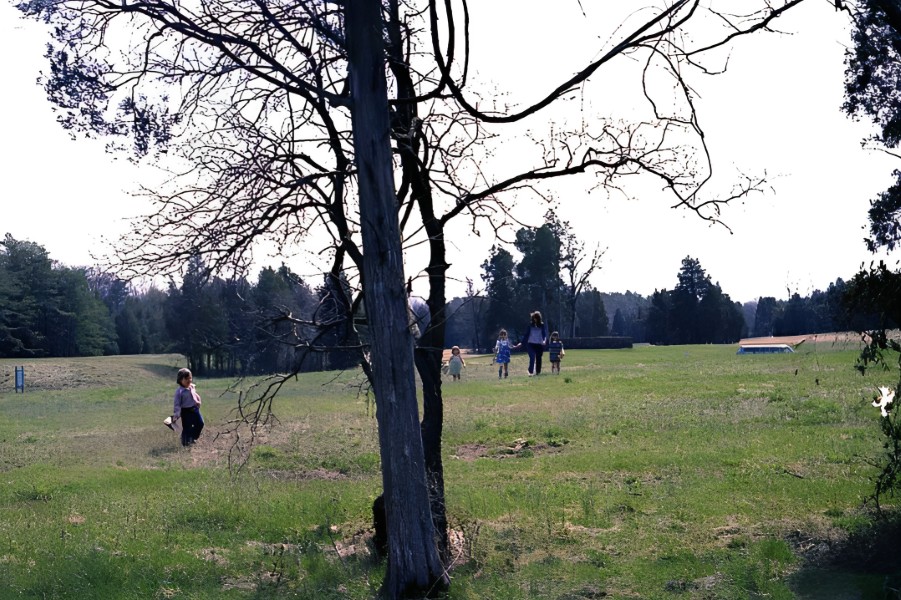
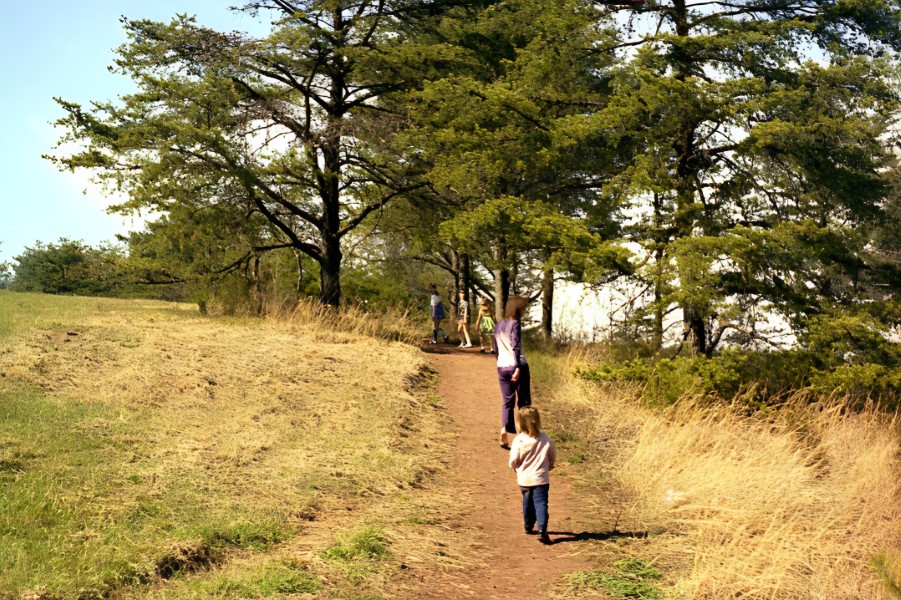
That spring, the landscape was a quiet blend of rolling fields and wooded ridges,
dotted with cannons and monuments, where the echoes of battle had long since faded
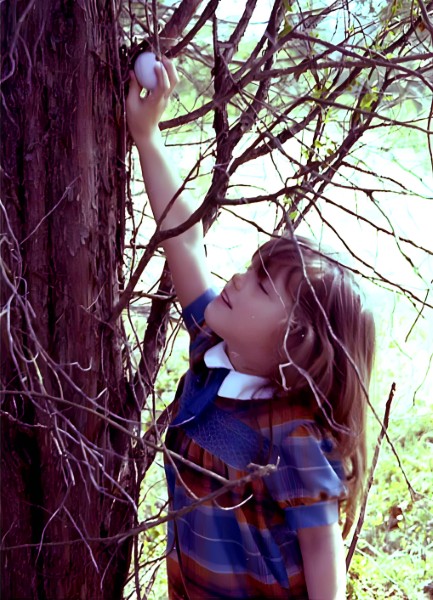
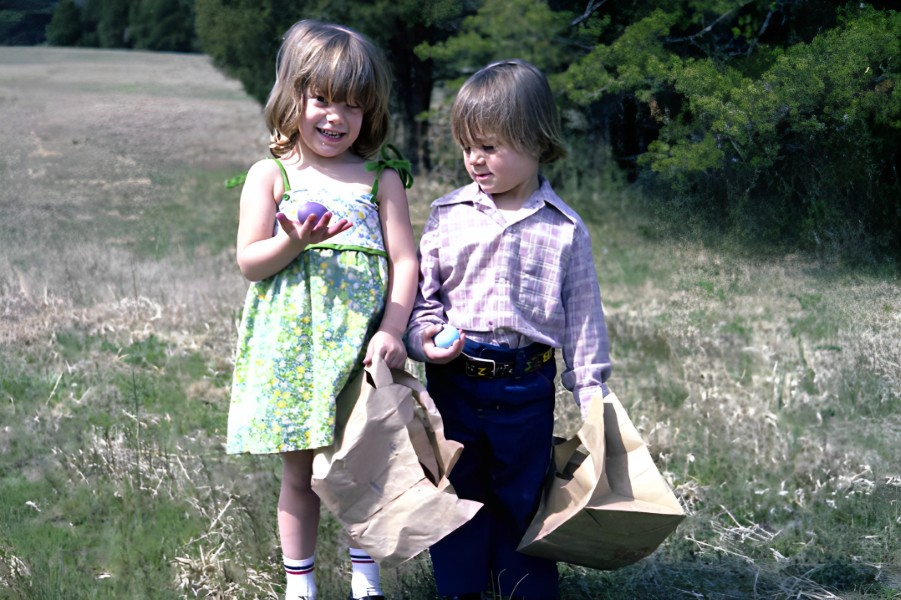
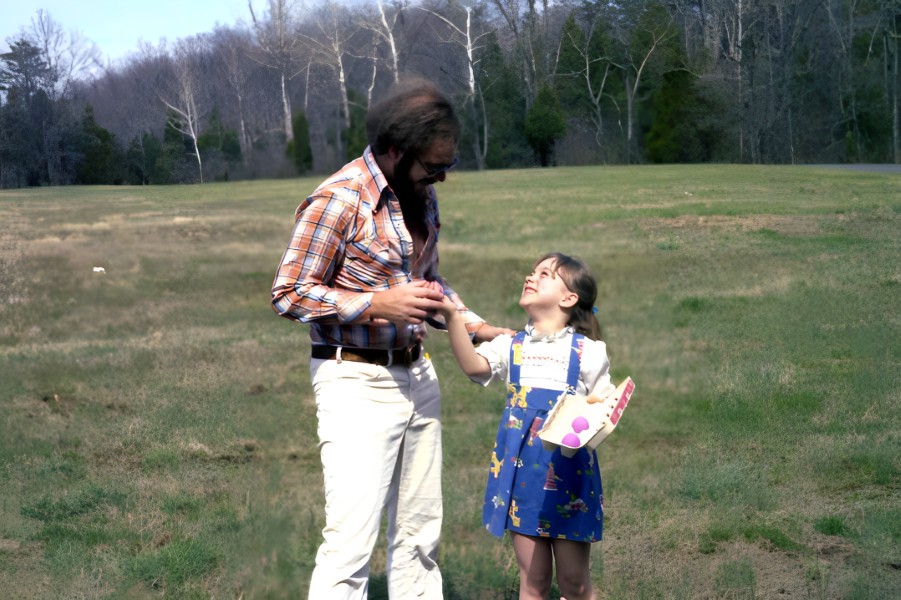
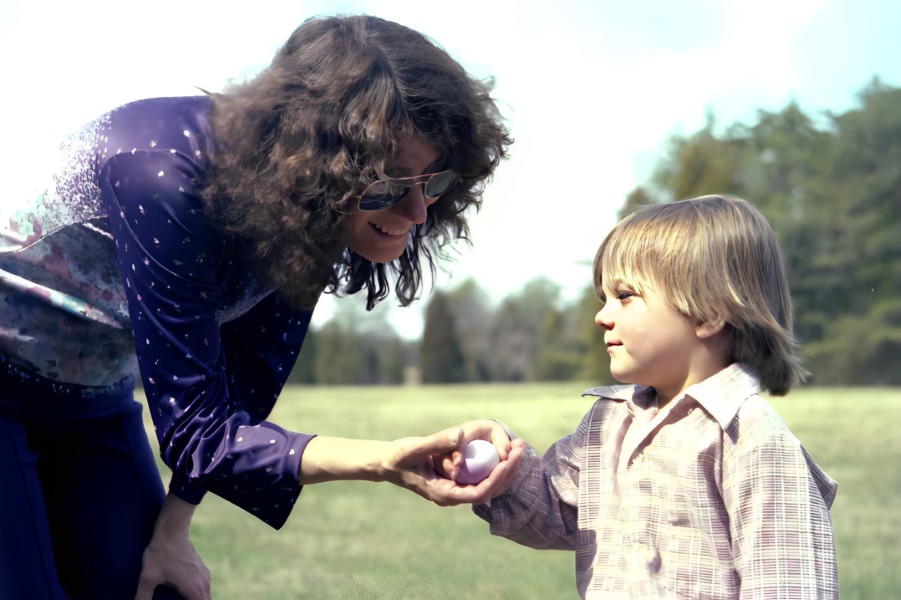
into birdsong and breeze. Amid this solemn beauty, I hid the Easter eggs we'd
colored the night before behind stone walls and nestled in grassy hollows.
The irony wasn't lost on me: my kids laughing where soldiers once fell,
history and hope sharing the same soil.
The First Battle of Manassas, also known as the First Battle of Bull Run,
was fought on July 21, 1861, near Manassas Junction in northern Virginia.
It was the first major land battle of the American Civil War, pitting Union
forces under Brigadier General Irvin McDowell against Confederate troops led
by Generals P.G.T. Beauregard and Joseph E. Johnston. The Union army,
composed largely of inexperienced 90-day volunteers, launched a flanking
attack intended to crush the Confederate left. Initially successful, the
offensive faltered when Confederate reinforcements arrived by rail from
the Shenandoah Valley—a historic first in wartime troop transport. On
Henry House Hill, Brigadier General Thomas J. Jackson earned the
nickname "Stonewall" for his steadfast defense. The battle ended in a
chaotic Union retreat, with soldiers and civilian spectators fleeing
toward Washington, D.C. The Confederate victory shattered illusions
of a short war and signaled the brutal reality ahead.
As Union forces marched toward Manassas, many Washington civilians, including
senators, congressmen, reporters, and even photographer Mathew Brady,
followed along, expecting a quick and decisive Union victory.
They came in carriages, buggies, and on horseback, some bringing picnic baskets,
opera glasses, and even children. Most gathered on Centreville Heights, about
five miles from the battlefield, where they could see smoke and hear cannon fire
but were largely out of harm's way.
The mood was festive. One woman reportedly exclaimed, "That is splendid! Oh my! Is not that first rate?"
after a heavy cannon discharge. But when the Union army collapsed into a chaotic retreat, many
spectators were caught in the stampede. One congressman, Alfred Ely, was captured and spent
months in a Confederate prison. The event shocked the nation and shattered the illusion of a short, romantic war.
The Second Battle of Manassas, also known as the Second Battle of Bull Run, was fought
from August 28 to 30, 1862, on the same Virginia ground as the first clash a year
earlier. This time, Confederate General Robert E. Lee led a bold campaign against
Union Major General John Pope, whose Army of Virginia had been tasked with defending
Washington and drawing pressure away from McClellan's stalled offensive near Richmond.
Lee split his forces, sending Stonewall Jackson on a daring flank march to sever Pope's
supply lines at Manassas Junction, which he successfully raided and burned. Jackson
then took up a defensive position near an unfinished railroad grade, where he repelled
repeated Union assaults.
On August 30, with James Longstreet's wing now on the field, Lee launched a massive
counterattack that crushed the Union left and forced Pope's army into a chaotic retreat
across Bull Run. The Confederate victory was decisive, clearing the path for Lee's
first invasion of the North and setting the stage for the bloody Battle of Antietam weeks later.
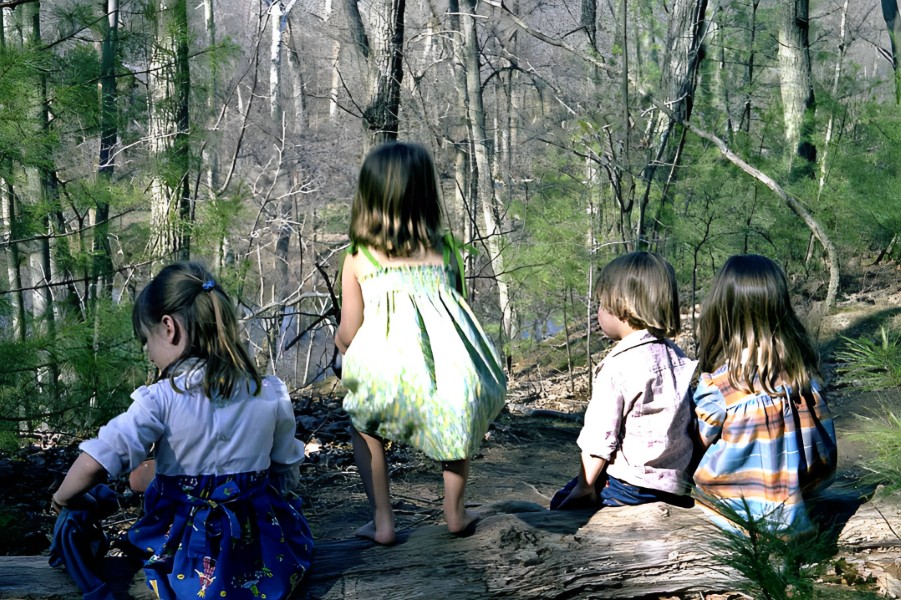
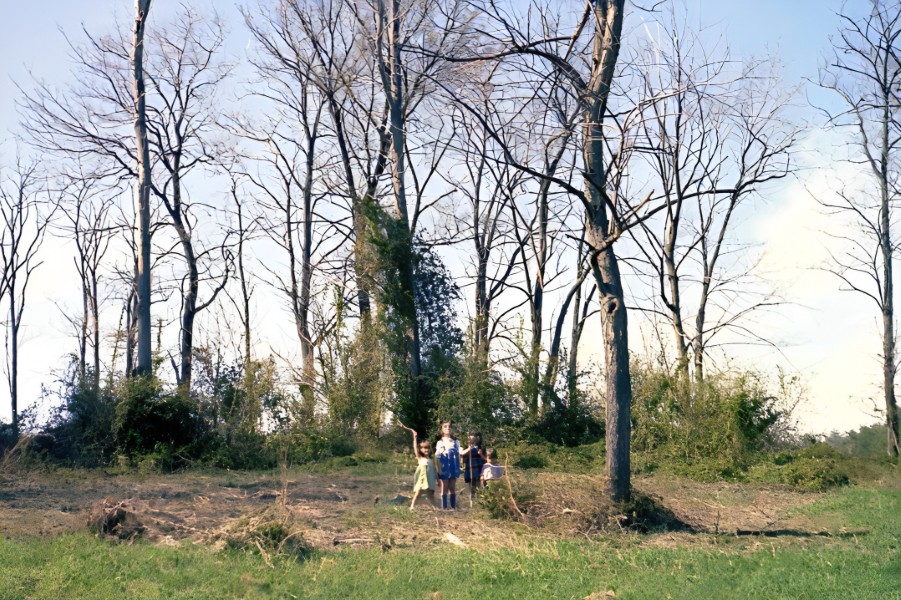
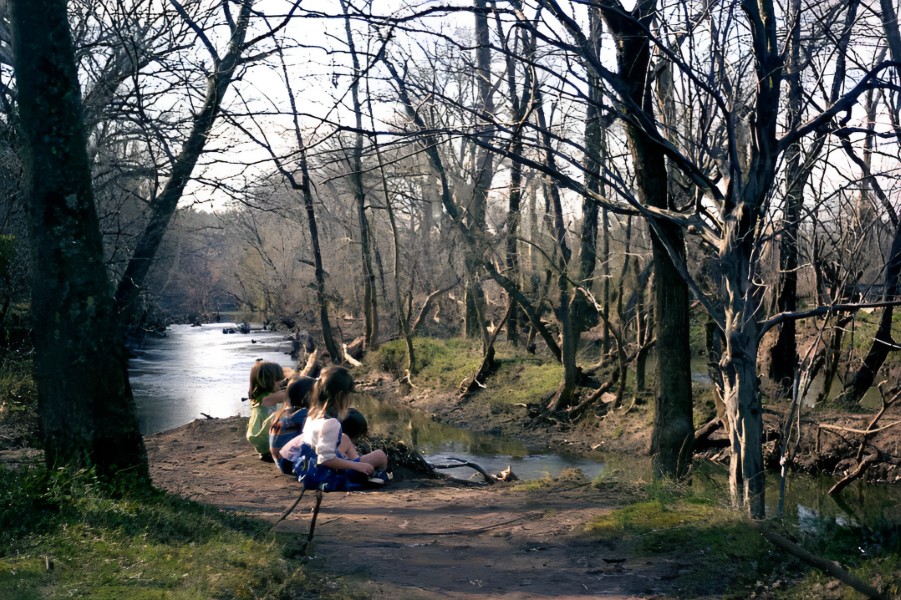
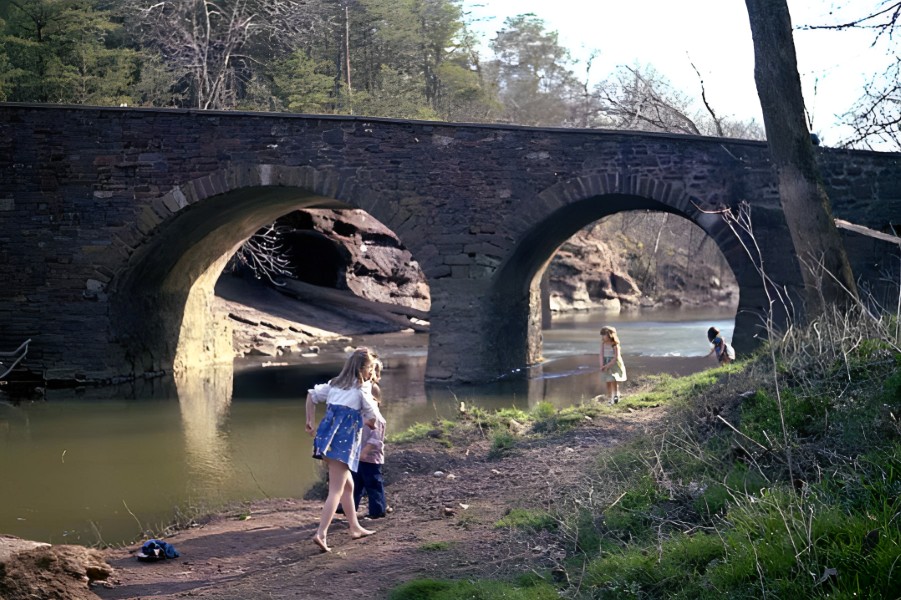
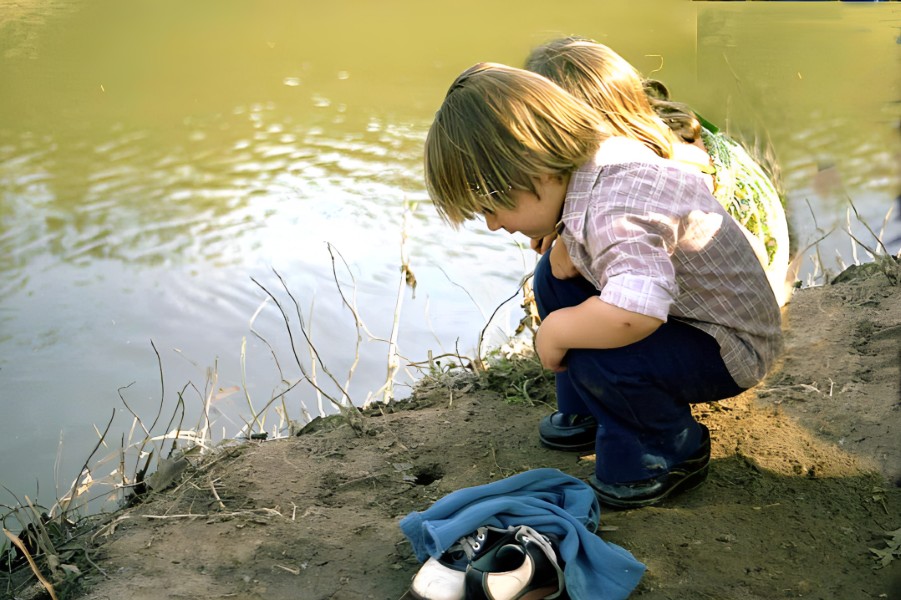
Today (and in 1980), the actual battlefield is located at Manassas National Battlefield Park.
Bull Run, a creek, also figured in the battle but is located in a separate park,
Bull Run Regional Park. After finding all the Easter eggs, I took the kids there,
for the history but also to let them soak their feet in the stream.
As part of a reconnaissance-in-force during the Manassas Campaign, Union Brigadier
General Daniel Tyler was ordered to probe Confederate defenses along Bull Run Creek
to locate their left flank. Tyler advanced toward Blackburn's Ford, believing the
road to Manassas Junction was clear. Unbeknownst to him, Confederate Brigadier General
James Longstreet had positioned his brigade—three Virginia regiments—concealed
in the woods behind the ford.
Tyler ordered artillery fire across the creek, then sent Colonel Israel B. Richardson's
brigade forward, including regiments from Massachusetts, Michigan, and New York.
The 1st Massachusetts Infantry, wearing gray uniforms that caused confusion, led the
advance but was met with intense Confederate musket and artillery fire. Despite orders
not to engage in a full battle, Tyler escalated the attack, deploying additional
infantry and artillery.
The Union advance faltered under heavy fire. Confederate reinforcements from Jubal Early's
brigade arrived, and Longstreet launched a brief counterattack. Realizing the strength
of the Confederate position, Tyler ordered a withdrawal. The skirmish resulted in 83
Union casualties and 68 Confederate casualties, and convinced Union commander Irvin McDowell
to abandon a frontal assault in favor of a flanking maneuver—leading to the
full-scale First Battle of Bull Run three days later.
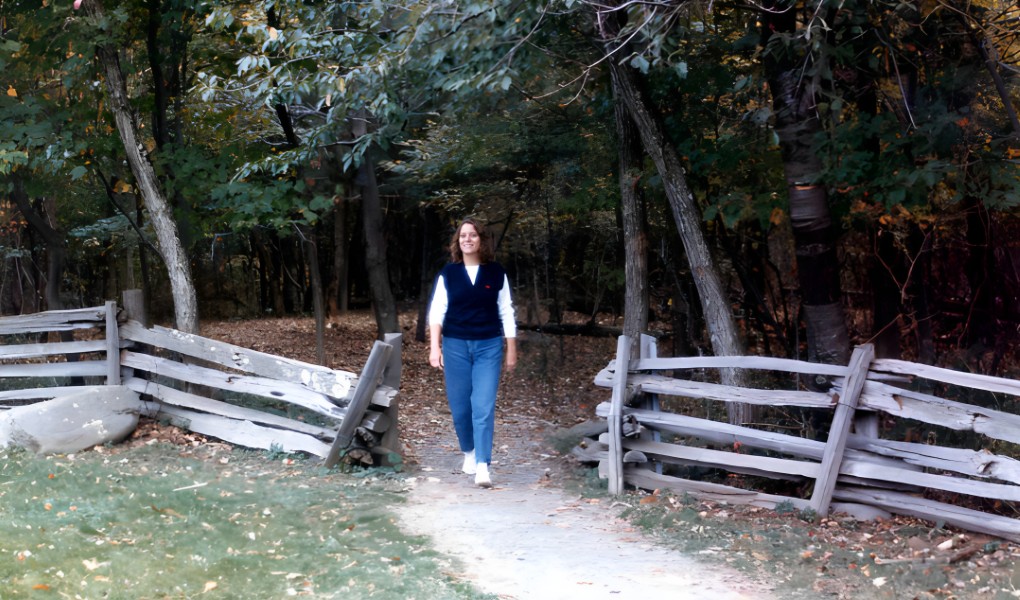
In 1980, I could tell my kids this history (simplified, of course) from the perspective
of someone who believed the Civil War had ended slavery and racism. We could enjoy the
natural beauty and the gratitude to those who had given their lives for the enlightened
present we now enjoyed.
Sadly, in 2025 I no longer have that perspective, as it turns out that pro-enslavement
people still exist and have great political power. The north went out of its way to be
"nice" to the Confederate rebels who, as a result, imagine they never lost the war.
I hope we learn from that for the next go-round.