|
By: Paul S Cilwa |
Occurred: 4/3/1983
Posted: 11/25/2025 |
|
Page Views: 274 |
| Hashtags: #MountVernon #GeorgeWashington #MasonLockeWeems #AmericanFolklore #HistoricalMyths |
| Our family visit to George Washington's home reveals the tension between cherished myths and historical truth. |
| Estimated reading time: 4 minute(s) (881 words) |
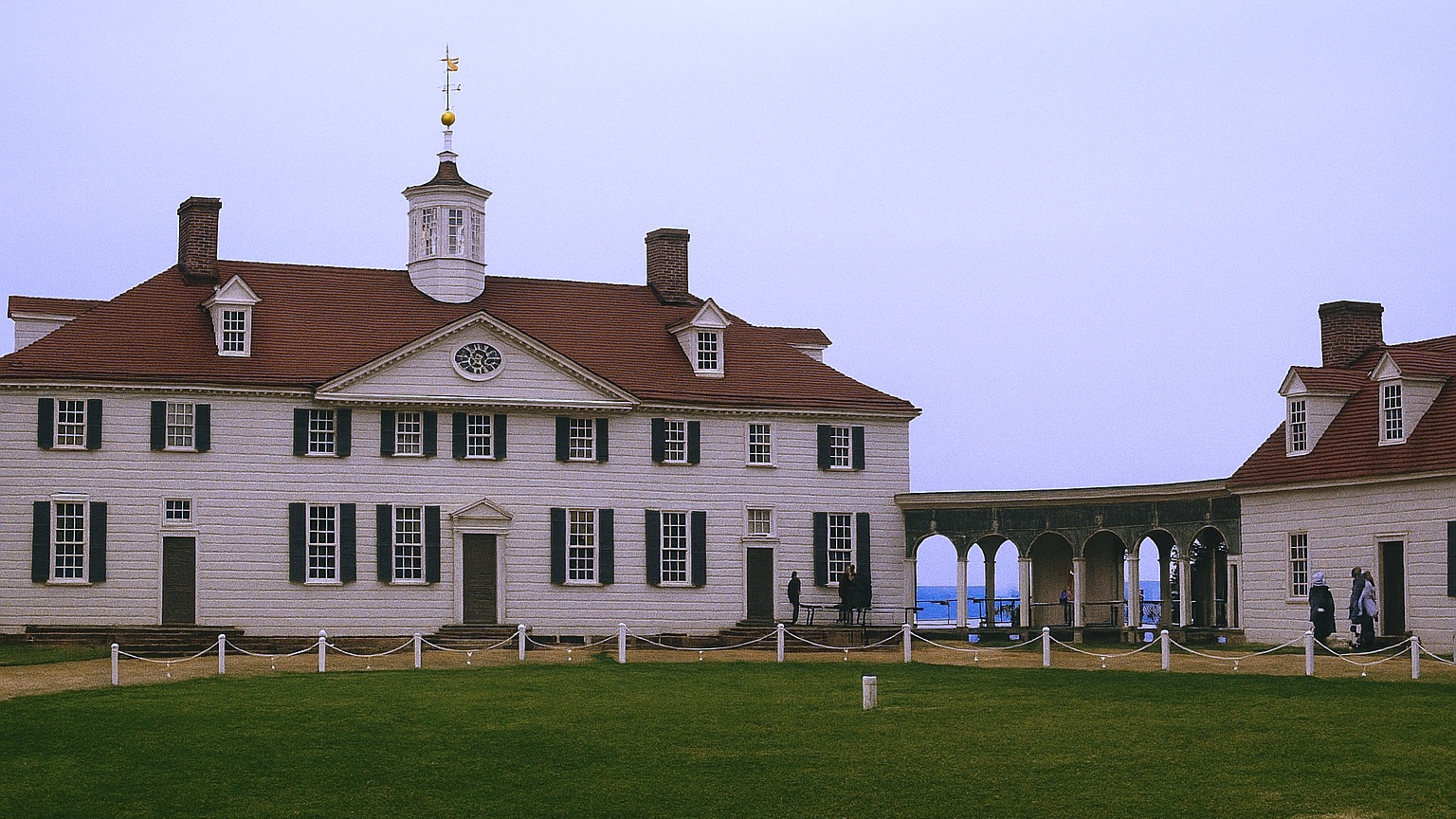
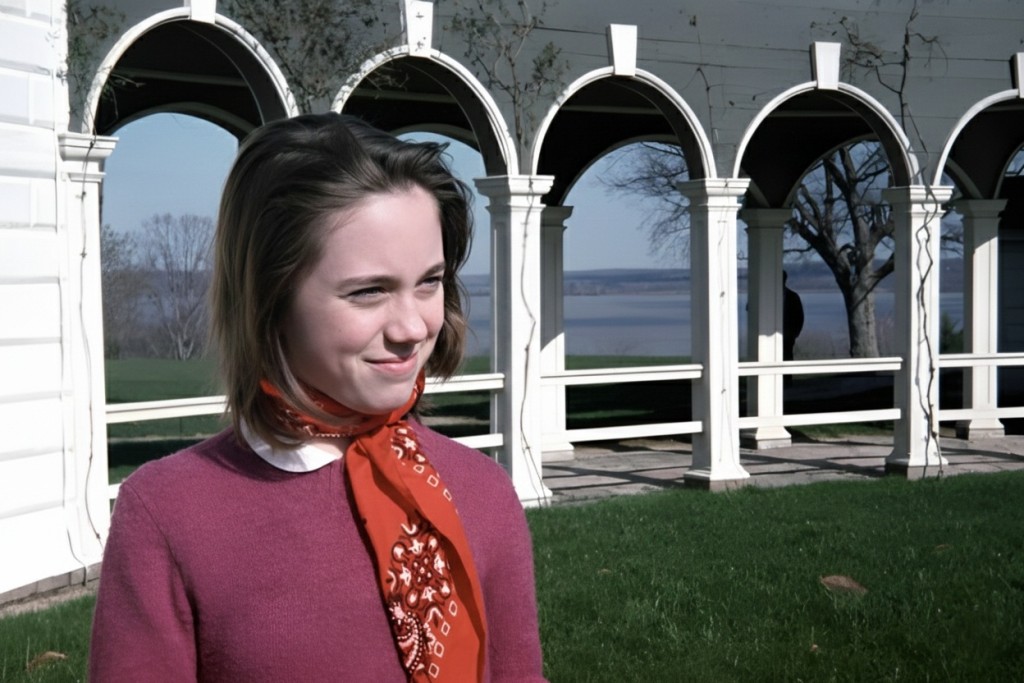
Hard to believe the above fashionable young lady was only 10!
Of course, that's not all that's changed since 1983. Not even George
Washington himself, or at least his published history, has been
updated since then. For example, we now know the story about his
having wooden teeth is false; his dentures were made partly from
teeth bought from enslaved people—a reminder that even
the most polished myths conceal painful realities.
Washington's dentures were made from a mix of materials—ivory, animal
teeth, metal alloys, and human teeth. Yes, records show that George Washington
bought human teeth from enslaved people. In 1784, he paid
enslaved workers at Mount Vernon for nine teeth. The evidence suggests these teeth were sold
by the enslaved individuals themselves, likely removed while they were alive. Tooth extraction
was a painful but common medical practice in the 18th century.
And note that the fact that enslaved people were paid for their teeth does not mean the
transaction was equitable. They had no real freedom to refuse, and the practice highlights
the exploitation inherent in slavery.

Then there's the cherry tree story, which has always carried a peculiar weight in American memory.
It was repeated at Mount Vernon, but we now know that Mason Locke Weems, Washington's first
popular biographer, invented the tale in 1800: a boy with a hatchet, a felled
cherry tree, and a father demanding an explanation. Washington, in Weems's telling, replies with
saintly candor: I cannot tell a lie. It was I cut down that cherry tree.
It was a parable designed for a young republic,
a neat moral lesson about honesty, which I was happy to note as an object lesson for my
little sprouts.
Yet, we now know the truth, and the irony is hard to miss. To teach truth, Weems told a
lie. The anecdote was fabricated, but it became gospel in schoolbooks, sermons, and civic lore.
Generations of children grew up believing that the nation's first president had embodied honesty
from his earliest days, even though the story itself was dishonest. The myth endured because it was
useful: it gave America a founding figure who seemed not only brave and capable, but morally
pure.
Standing among the orchards at Mount Vernon, one can feel the tension between myth and
reality. The cherry trees are real, their blossoms a reminder of Washington's life as a farmer. But
the boy with the hatchet never existed. What did exist was a culture eager for heroes, and a writer
willing to bend fact into fable. In that sense, the cherry tree story is less about Washington himself than
about the nation's need to believe in him—a lie told in service of truth, or at least the
appearance of it.

And then there's the silver dollar story. The legend of Washington hurling a silver
dollar across the Potomac has long been one of those
heroic exaggerations that lodge themselves in popular memory. At Mount Vernon, the river stretches
more than a mile wide, making such a feat physically impossible. To add another layer of
improbability, silver dollars weren't even minted until 1794, years after Washington's youthful
exploits! The story endures because it paints him as a man of extraordinary strength and skill, a
founding father whose abilities seemed to match the grandeur of the nation he helped
establish.
The truth, however, is more modest and more human. Washington did once demonstrate his
athleticism by tossing a piece of slate across the Rappahannock River near Fredericksburg, Virginia—a river far narrower than the Potomac. This act was impressive in its own right, but it
lacked the mythic sheen of a coin crossing a mighty river. Over time, storytellers inflated the
scene into something larger than life, transforming a boyhood display of strength into a parable of
greatness. The irony is that the real event, though less spectacular, still reveals Washington's
vigor and youthful energy, while the myth reveals the nation's desire to see its first president as
superhuman.
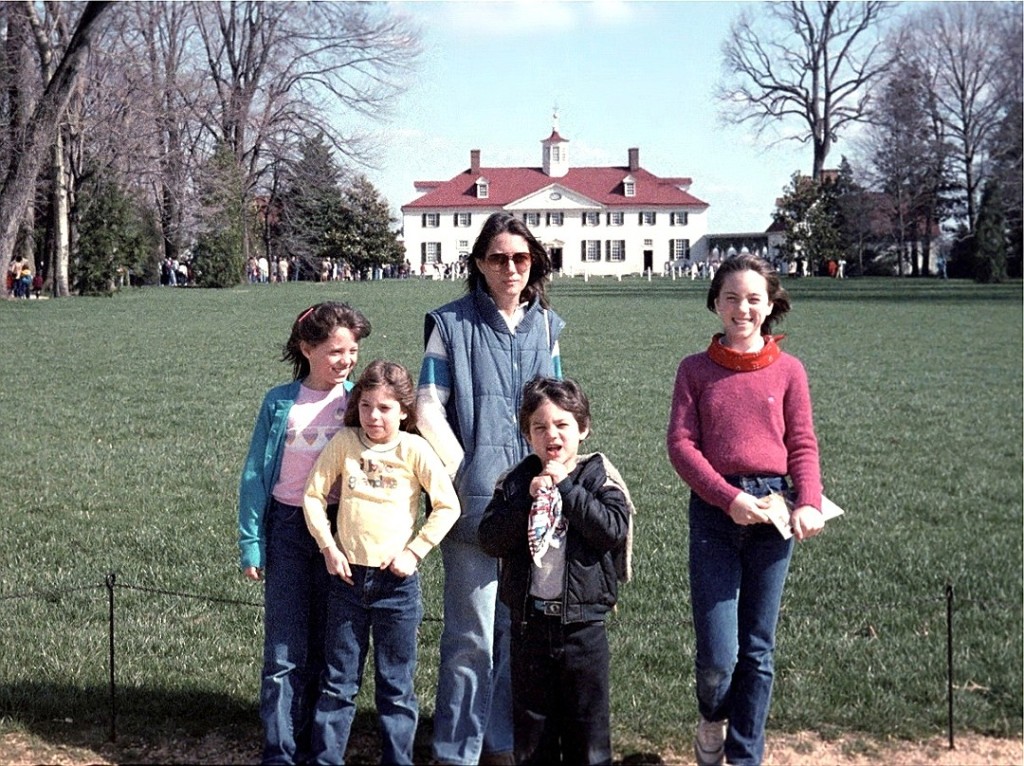
We left Mount Vernon that spring afternoon convinced we had absorbed the essence of
Washington—the cherry trees, the silver dollar, the noble dentures, the aura of honesty. Yet what we
carried home was not history but a carefully polished veneer, a two?century?old public relations
campaign designed to sanctify a man into myth. It would take decades more of scholarship and
unflinching curiosity to peel back the layers, to see Washington not as the flawless hero of
schoolbook tales but as a complex figure whose life was stitched together with both truth and
invention. In that sense, our visit was less a lesson in history than a reminder of how deeply
America has been schooled in stories that were never meant to be questioned.