|
By: Paul S Cilwa |
Occurred: 5/4/2025
Posted: 12/23/2025 |
|
Page Views: 153 |
| Hashtags: #Autobiography #TeslaModel3 |
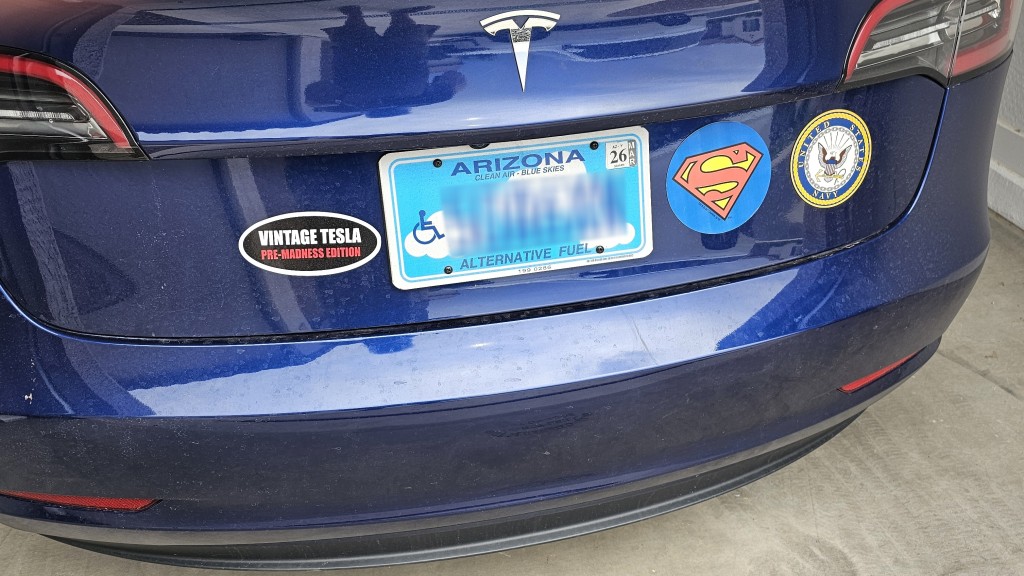
| I've had to protect my car from Elon's friends as well as his enemies. |
| Estimated reading time: 3 minute(s) (491 words) |
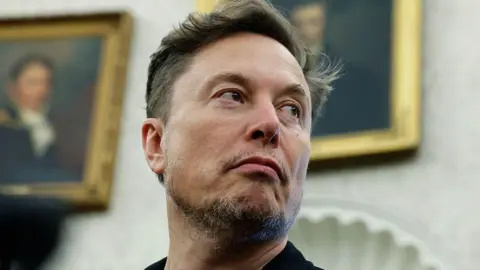
Elon Musk was one of those early?21st?century figures who seemed to live at the intersection of
technology, celebrity, and controversy. He led companies that shaped major parts of daily
life—electric cars, private spaceflight, satellite internet—and he cultivated a public
persona that was unusually visible for a CEO. Supporters saw him as a visionary who pushed
industries forward through sheer force of will. Critics saw him as impulsive, combative, or
careless with the influence he wielded. Because he communicated directly and constantly on social
platforms, every opinion he expressed—whether about engineering, business, or
culture—tended to ripple outward and become a flashpoint.
That combination of high visibility, strong opinions, and enormous influence made him a lightning rod. For some people,
owning a Tesla became a kind of shorthand for aligning with Musk himself, even though most owners
simply liked the car. During the years when public sentiment around him swung sharply back and
forth, that association sometimes spilled over into real?world behavior: people projecting their
feelings about Musk onto the nearest Tesla. It was less about the vehicle and more about the
cultural moment—one of those periods when a single public figure became a symbol onto which
people pinned frustrations, admiration, or both.
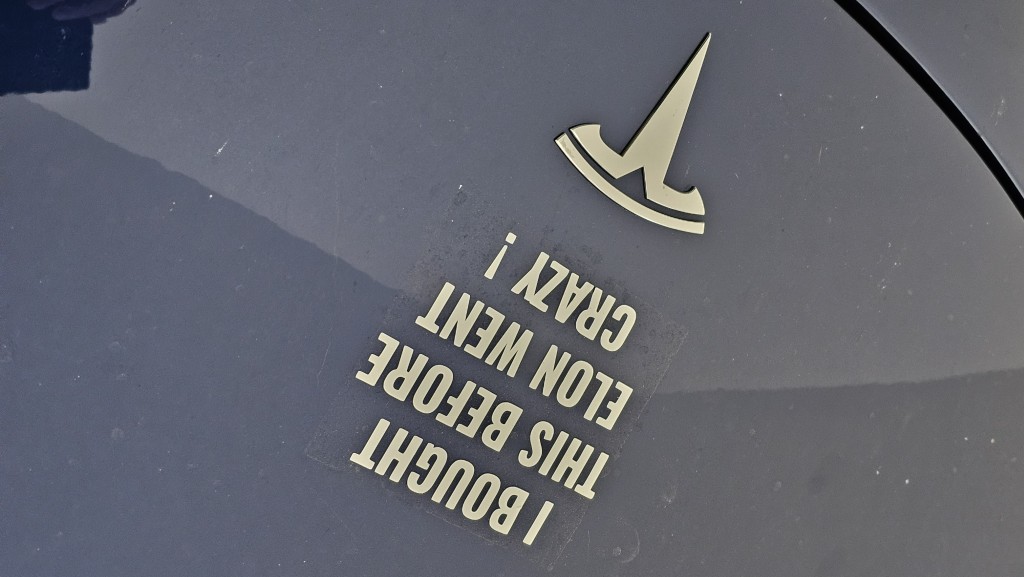
So I bought a decal for the front as well. And, when I sit in the car while parked, for example, when I
pick up my granddaughter from gymnastics, I can see people pass, read it, and (usually) grin or laugh.
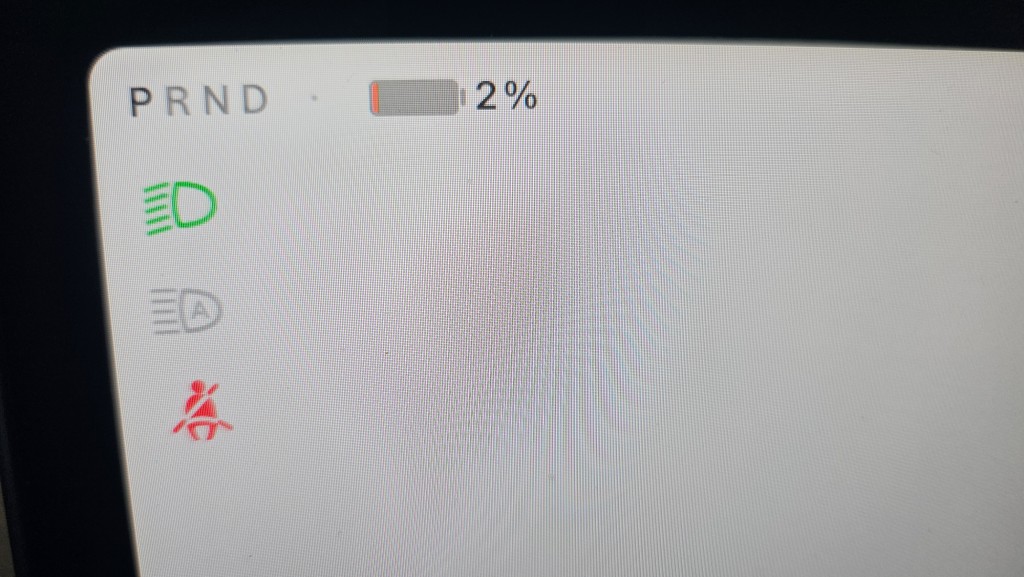
In other news, I managed to drive the battery down to 2%! To be honest, I was a little nervous about
letting it get so low. But the navigation system assured me it would only go down to 2% by the time I
got home, and I have found it is very accurate on that account. So I took a chance, and made it!
We have two Tesla chargers at home: A higher speed, 240 volt charger built into the wall, and a 120 volt
charger that can be plugged into any wall socket. The 120 volt charger, which I usually use, would have
taken over 24 hours to charge my car up to 100%. So I used the other, which promised to take about 9 hours.
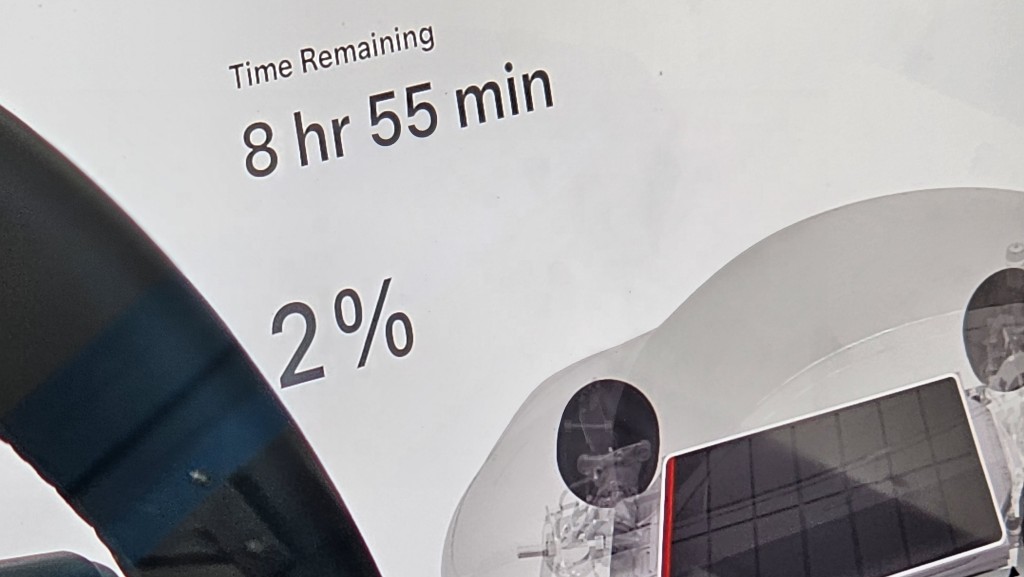
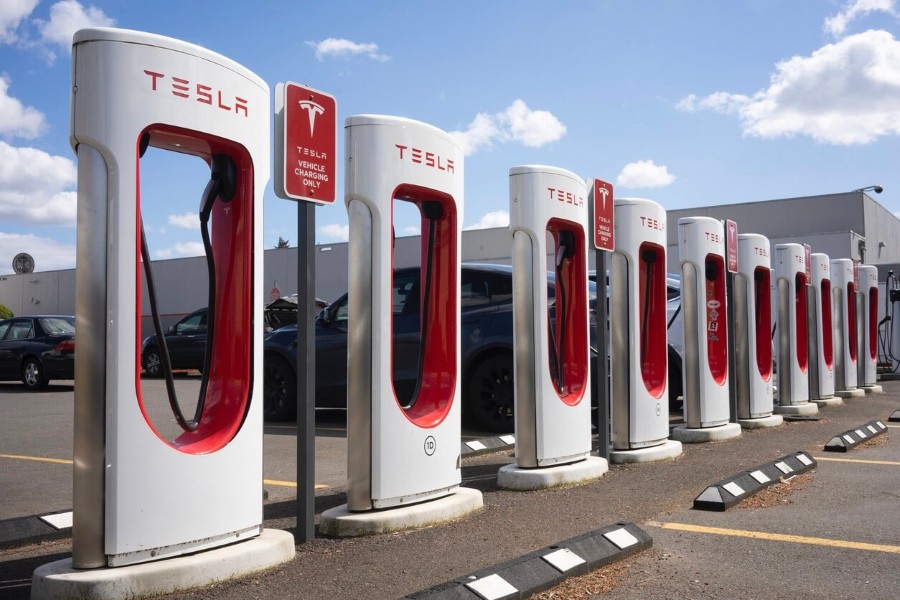
And, just for reference, if I were traveling and using Tesla Superchargers along the way, it would
have taken less than an hour to bring it from 2% to 100%.