|
By: Paul S Cilwa |
Posted: 3/23/2026 |
|
Page Views: 448 |
| Hashtags: #Troy #Schliemann #Archaeology #KingDavid #TelDanStele #PontiusPilate #Vikings #GiantSquid #AntikytheraMechanism #GobekliTepe #AmazonWarriors #GreekFire #History |
| A tour of legends, tall tales, and scholarly eye-rolls that archaeology and science eventually proved embarrassingly real. |
| Estimated reading time: 11 minute(s) (2405 words) |
What follows is a collection of things that respectable academics
once dismissed as myth, legend, or the fevered imaginings of
unreliable witnesses—and that turned out to be embarrassingly,
undeniably real.
Troy: The Obsessed Amateur Who Was Right
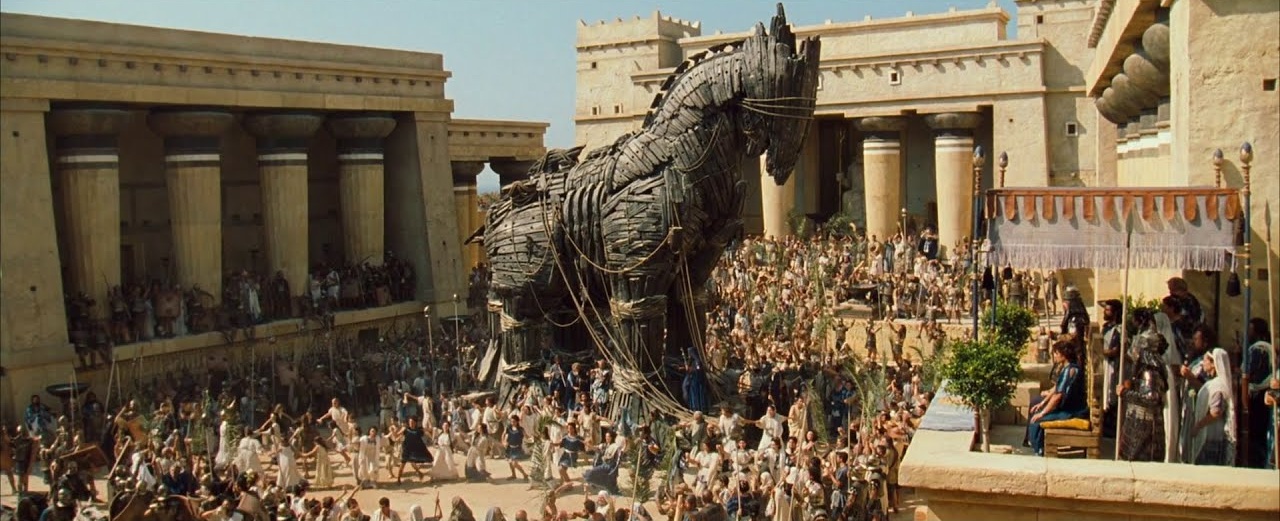
For centuries, Homer's Iliad was filed under
"great literature, not history." Troy was a metaphor,
a poet's invention, a beautiful lie. Serious classicists knew
better than to go looking for it with a shovel.

Heinrich Schliemann did not get that memo. A self-educated
German businessman who'd made a fortune in the California gold
rush and then in military contracting during the Crimean War,
Schliemann retired rich and did what any reasonable person would
do: he grabbed a copy of Homer and started digging.
The professional archaeologists were appalled. Schliemann had no
formal training. His methods were, to put it charitably, enthusiastic—he
blasted through layer after layer of occupation at Hisarlik in
modern Turkey, destroying centuries of stratified evidence in his
rush to reach what he was certain was Priam's city. He found gold
jewelry, dressed his wife in it, called it "the treasure of Priam,"
and posed for photographs.
He was wrong about almost every detail. The gold wasn't Priam's.
The layer he celebrated wasn't the right Troy. His dating was off
by a thousand years. But the one thing he got spectacularly,
infuriatingly right was the thing that mattered: Troy was real.
Multiple layers of it, in fact—a city rebuilt on its own ruins
at least nine times over millennia. Later, more careful archaeologists
confirmed that one of those layers matched the approximate date and
scale of Homer's story.
The establishment never quite forgave him. But they did start
digging where he told them to.
King David: A Dynasty Without a Footnote
For most of the 20th century, a growing number of scholars
argued that King David was a theological invention—a founding
myth for the kingdom of Judah, like King Arthur but with fewer
round tables. There was no mention of David in any source outside
the Bible. No Egyptian record, no Assyrian tablet, no Babylonian
side note. For a supposedly great king, he was suspiciously absent
from everyone else's paperwork.
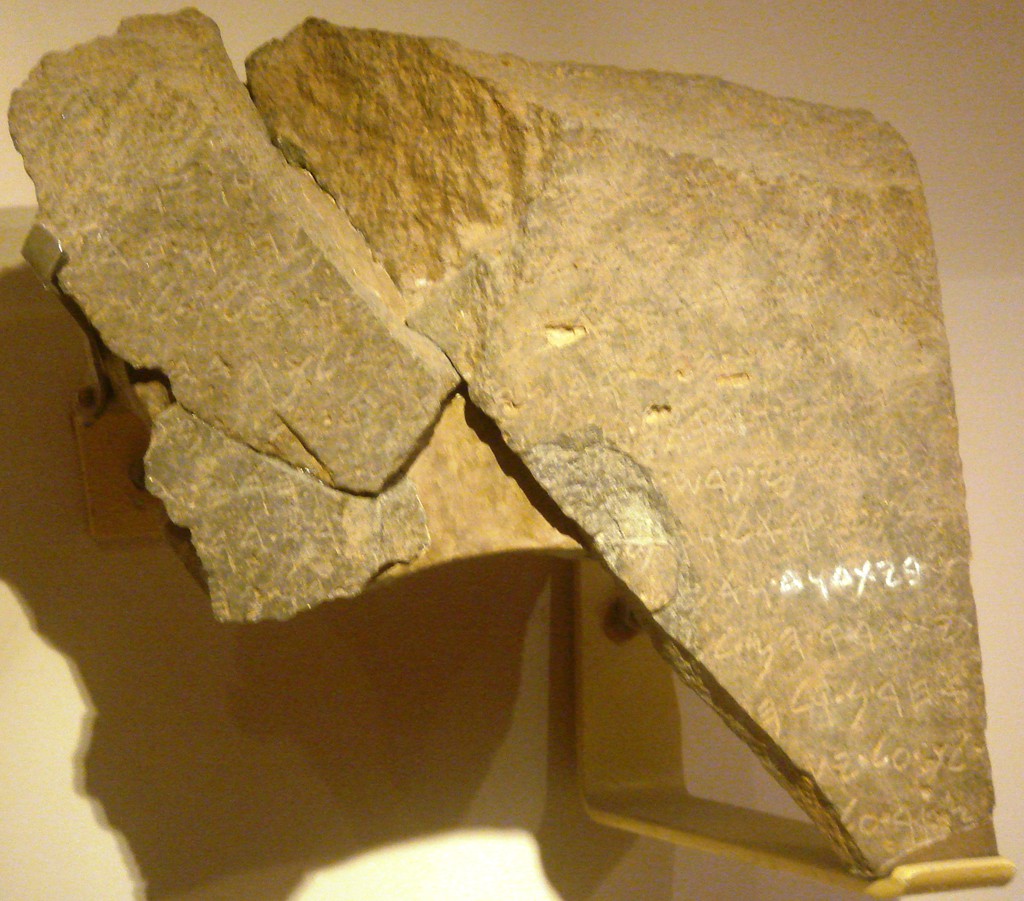
Then, in 1993, archaeologist Avraham Biran was excavating the
ancient city of Dan in northern Israel when his team found a
fragment of a basalt stele—a victory monument erected by an
Aramean king in the 9th century BCE. The inscription, in Aramaic,
bragged about defeating the king of the "House of David."
Three words on a broken rock, and the entire debate shifted.
The Tel Dan Stele didn't prove every story about David was
literally true. It didn't confirm Goliath or the harp-playing
or the business with Bathsheba and definitely not his affair with Jonathan. But it proved that within a
century or two of when David supposedly lived, neighboring
kings knew his dynasty by name—and considered it important
enough to brag about beating.
The Mesha Stele, found earlier but reexamined with modern imaging,
appears to contain the same reference. David went from "probably
fictional" to "historically attested" on the strength of enemy
propaganda. Which, if you think about it, is the most reliable
kind of endorsement there is.
Pontius Pilate: The Prefect Who Left His Name
Pilate is one of the most famous figures in the New Testament,
and for a long time, one of the least documented outside it.
Some scholars treated him as semi-legendary—a narrative
convenience for the crucifixion story rather than a verified
historical official.
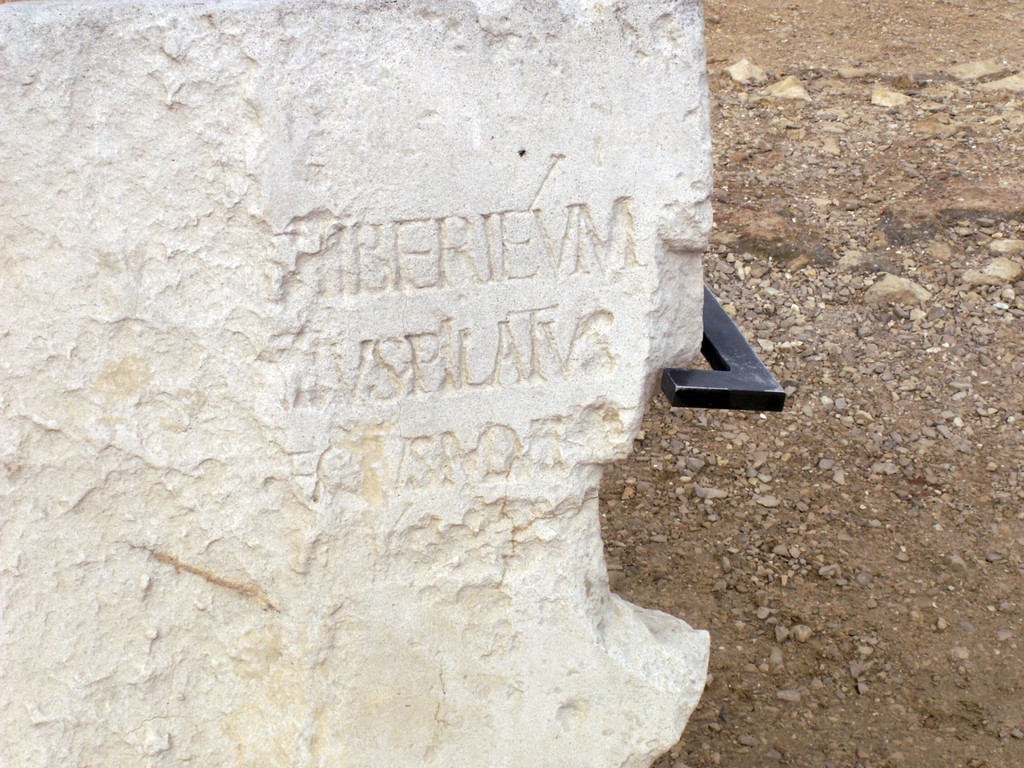
In 1961, during excavations at Caesarea Maritima on the
Mediterranean coast of Israel, a team found a limestone block
reused as a step in a theater renovation. Carved into it, in
Latin, was a dedicatory inscription mentioning "Pontius Pilatus,
Prefect of Judaea." Not procurator, as later Roman sources
called him—prefect, which is the earlier and more accurate
title for his era.
One stone, one title, one name. It's not dramatic. It's not gold
jewelry on somebody's wife. But it moved Pilate from "biblical
character" to "confirmed Roman administrator" in the time it takes
to read four words of Latin.
Vikings in America: Five Centuries Before Columbus
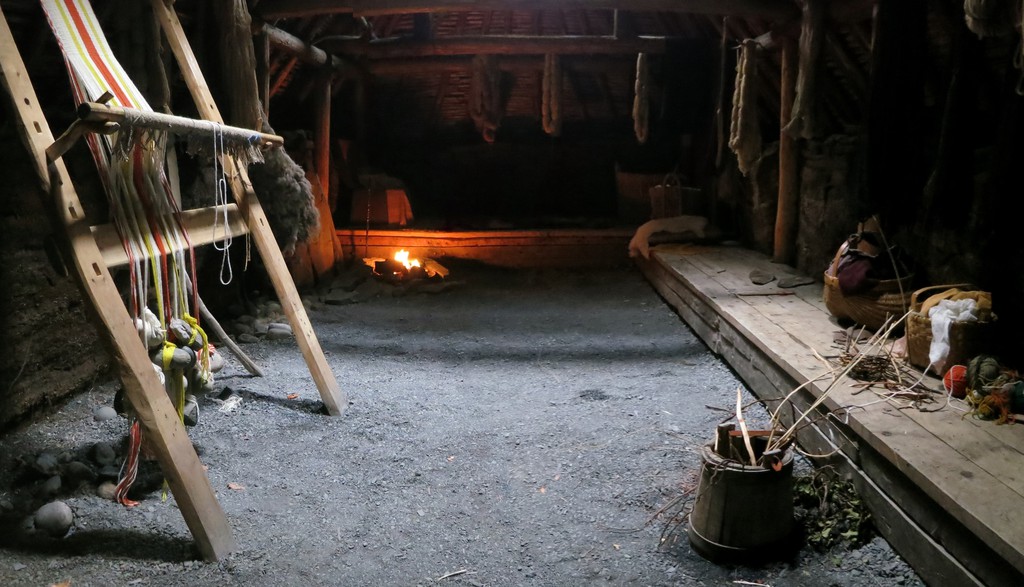
The Norse sagas described voyages to a land called Vinland,
somewhere west of Greenland, where grapes grew wild and the
fishing was good. Mainstream historians smiled politely and
filed this next to stories about elves and frost giants.
In the 1960s, Helge and Anne Stine Ingstad—a Norwegian
explorer-writer and his archaeologist wife—went looking
anyway. At L'Anse aux Meadows on the northern tip of
Newfoundland, they found the remains of eight Norse buildings,
a forge for smelting iron (a technology the local Indigenous
peoples didn't use), and over 800 artifacts. Tree-ring dating
pinpointed the occupation to 1021 CE—roughly 500 years
before Columbus bumbled into the Caribbean thinking he'd
found India.
The Ingstads faced years of skepticism from scholars who
couldn't accept that Vikings had crossed the Atlantic that
early. Anne Ingstad's meticulous excavation work—she was
the trained archaeologist of the pair—eventually made the
evidence undeniable. The site is now a UNESCO World Heritage
Site, and the sagas have been promoted from "colorful fiction"
to "travel literature."
The Kraken: Tentacles of Truth
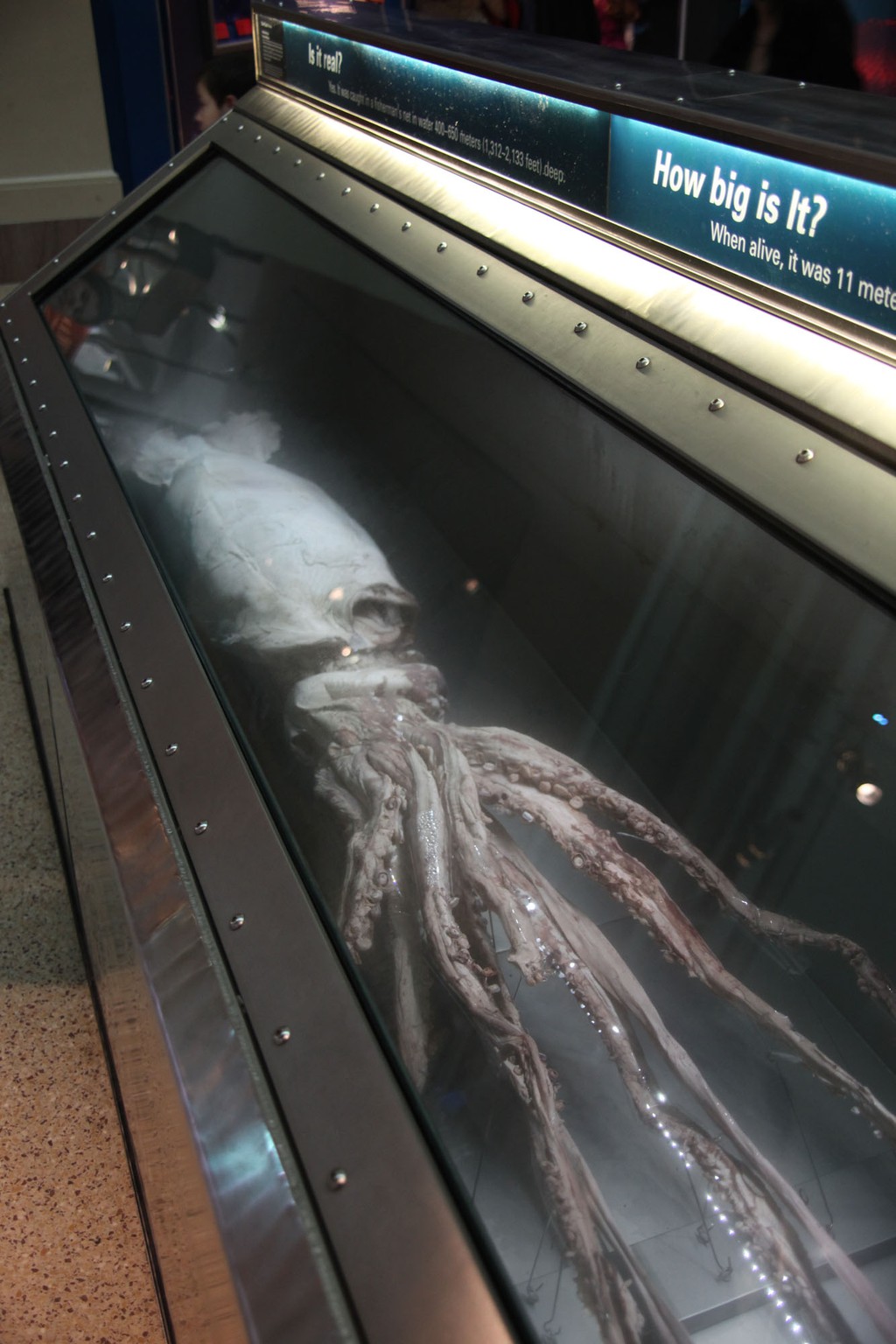
Sailors came back from long voyages with stories of sea
monsters big enough to drag ships under. Naturalists listened,
nodded, and wrote "liar" in their notebooks.
The stories were remarkably consistent across cultures and
centuries. Scandinavian fishermen described a creature so
large it could be mistaken for an island. Japanese folklore
had the akkorokamui, a giant tentacled monster that
could swallow boats. Even Aristotle mentioned a creature
he called the teuthus, distinguished from ordinary
squid by its enormous size. But naturalists, who had never
seen such a thing, assumed these were the usual exaggerations
of men who'd been at sea too long.
Norwegian naturalist Japetus Steenstrup identified the giant
squid from fragments in 1853, but even that wasn't enough.
Massive carcasses began washing ashore in Newfoundland in the
1870s—animals stretching 40 feet or more—and still
the scientific community treated them as curiosities rather
than vindication of centuries of eyewitness reports. The
attitude seemed to be that a dead specimen on a beach was
interesting, but hardly proof that the ocean was full of
monsters. (The ocean, as it turns out, is in fact full of
monsters. We just don't go where they live.)
The first photographs of a living giant squid in its natural
deep-ocean habitat weren't captured until 2004, by a Japanese
research team that dangled bait on a line at 3,000 feet and
waited. The sailors had been right for 500 years. The
naturalists just needed better cameras—and the humility
to take fishermen seriously.
Amazon Warriors: Not a Metaphor
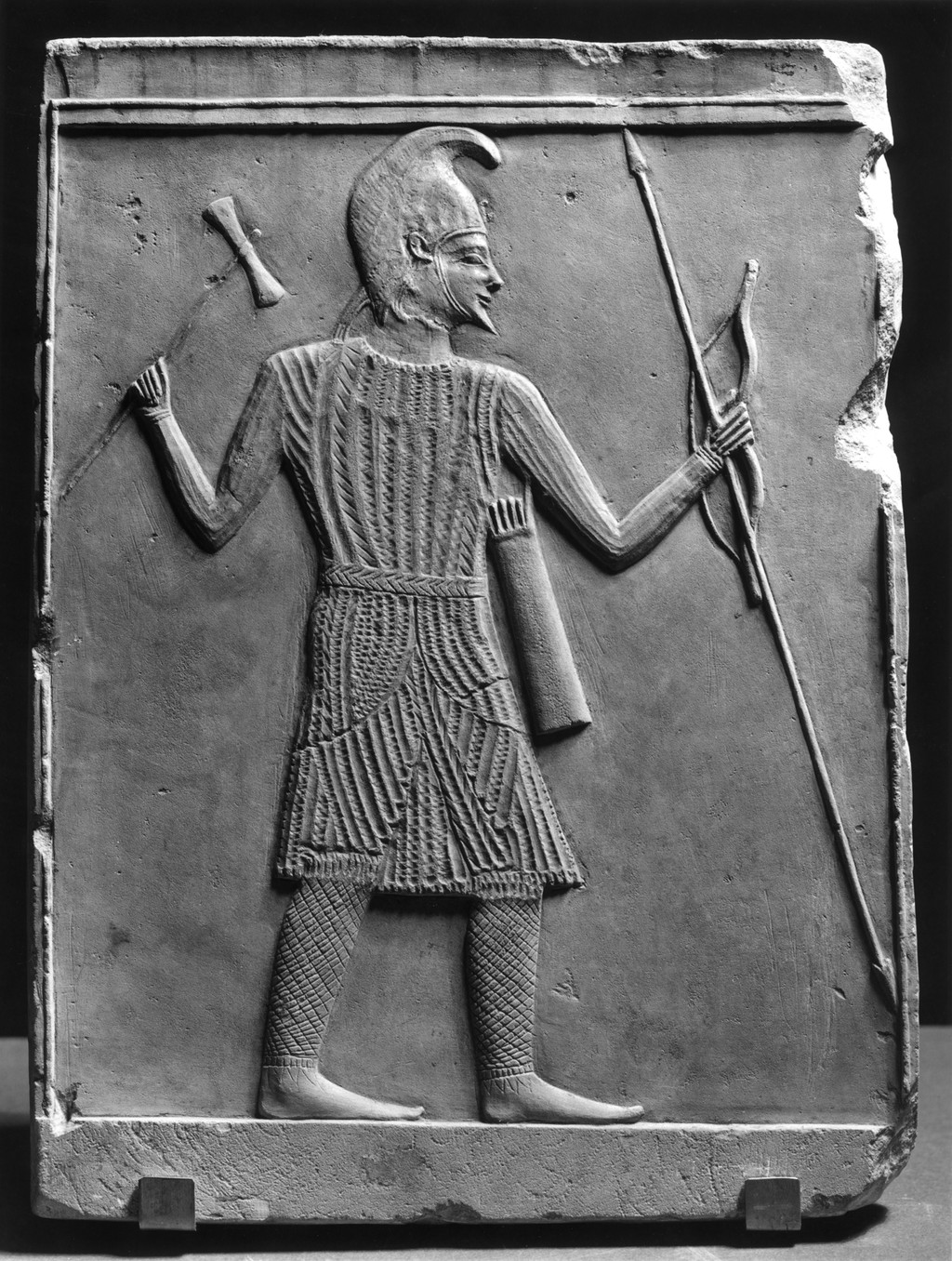
The Greeks told stories of fierce women warriors called
Amazons. For millennia, everyone assumed this was mythology—a
way for Greek men to process their anxieties about gender
roles by inventing scary foreign women and then having
heroes defeat them.
Then archaeologists started opening Scythian graves across
the Eurasian steppes and finding women buried with swords,
bows, armor, and battle injuries. Not ceremonial burials.
Not symbolic weapons. These women had healed fractures
consistent with combat, arrowheads embedded in bone, and
the kind of skeletal wear that comes from a lifetime on
horseback.
In 2020, a grave of four Scythian women warriors was
excavated in Russia, ranging in age from about 12 to 50.
DNA confirmed they were biologically female. The youngest
was buried with the same weaponry as the oldest. The Greeks
hadn't invented the Amazons. They'd met them—or at least
met people very much like them—and then gone home and
written it down, and then later generations decided the
writing couldn't possibly be true.
The Antikythera Mechanism: The Computer Before Computers
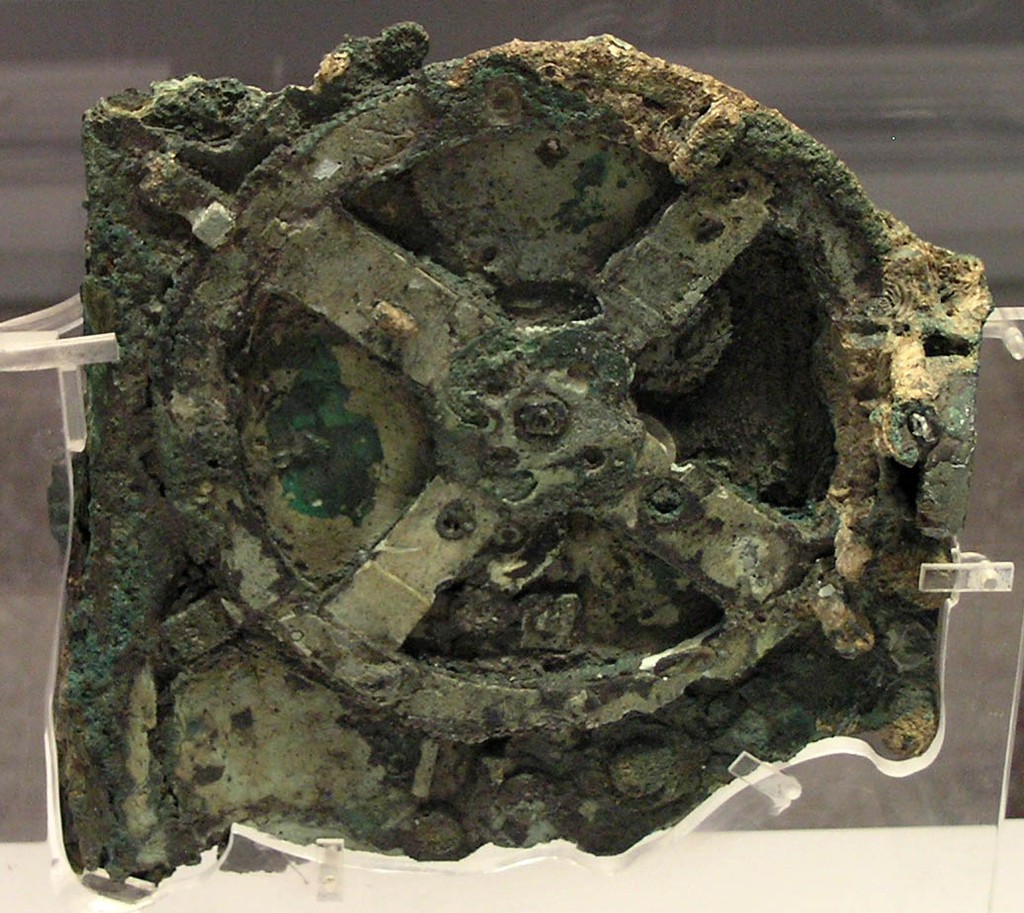
In 1901, sponge divers found a corroded lump of bronze in a
Roman-era shipwreck off the Greek island of Antikythera.
Nobody knew what to make of it. It sat in a museum for decades,
occasionally puzzling someone who noticed the gears.
Modern X-ray and CT scanning eventually revealed a device
of staggering complexity: more than 30 interlocking bronze
gears that could predict astronomical positions, lunar and
solar eclipses, and calendar cycles. It dates to roughly
150-100 BCE. Nothing remotely this sophisticated would
appear again in the archaeological record for over a
thousand years.
The Antikythera Mechanism didn't confirm a specific myth so
much as demolish a general one: the assumption that ancient
peoples couldn't possibly have been that clever. They could.
They were. We just ignored the evidence for a while.
Göbekli Tepe: Everything in the Wrong Order
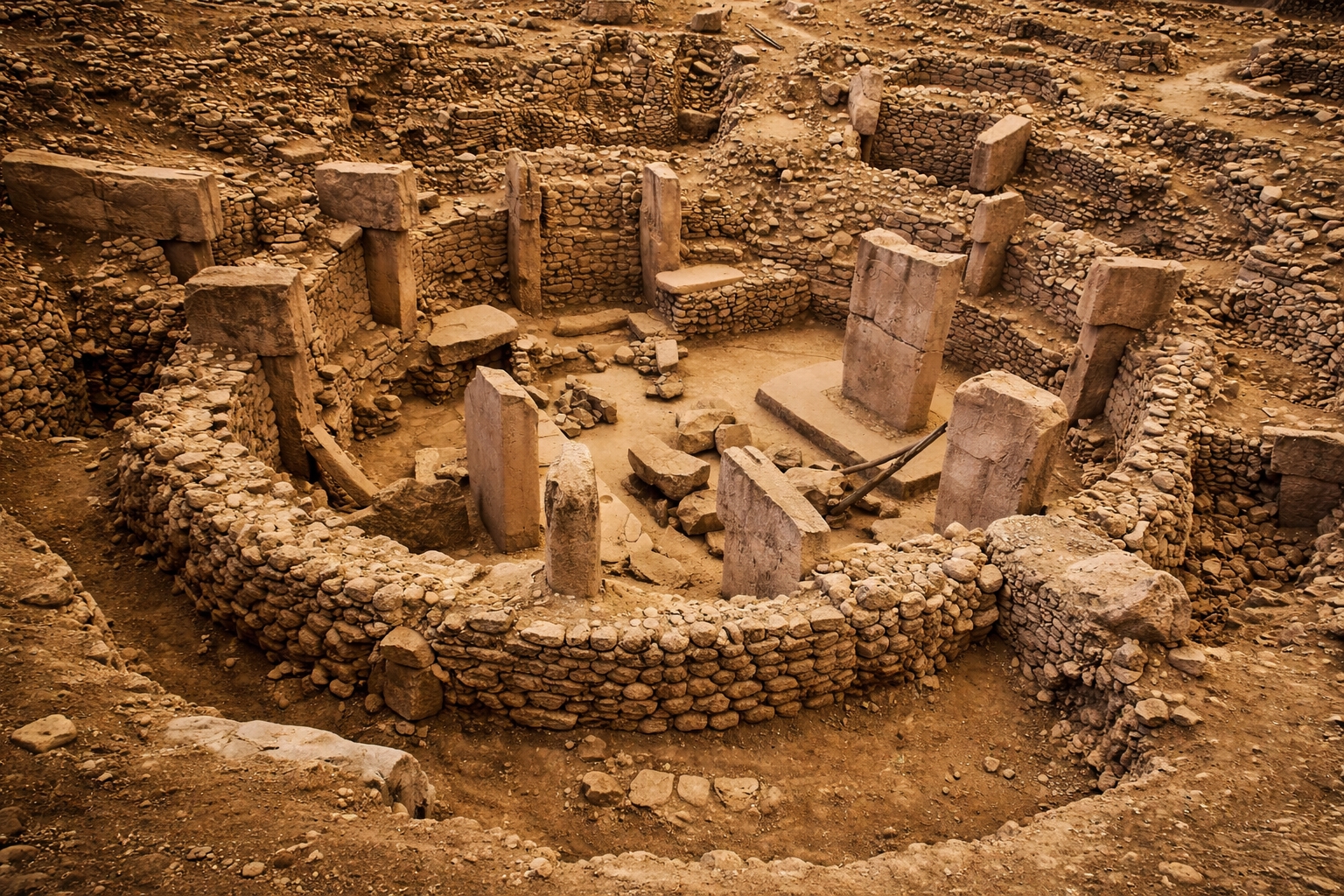
Here's what every textbook said: First, humans invented
agriculture. Then they settled down. Then they built villages.
Then they organized religion. Then, and only then, they built
monumental structures.
Göbekli Tepe, in southeastern Turkey, dating to approximately
9600-8000 BCE, said: No. Hunter-gatherers built it. Before
agriculture. Before pottery. Before permanent settlements, as
far as anyone can tell. Its massive carved T-shaped pillars
stand up to 18 feet tall and weigh tons. The animal carvings
are sophisticated. The engineering is deliberate.
It's 6,000 years older than Stonehenge. It didn't just push
back the timeline for monumental architecture—it reversed
the assumed sequence of civilization itself. Maybe people
didn't settle down and then build temples. Maybe they built
temples and then had to settle down to maintain them.
The scholars who'd spent careers defending the old sequence
were not, as you might imagine, delighted.
Thonis-Heracleion: Egypt's Drowned Port
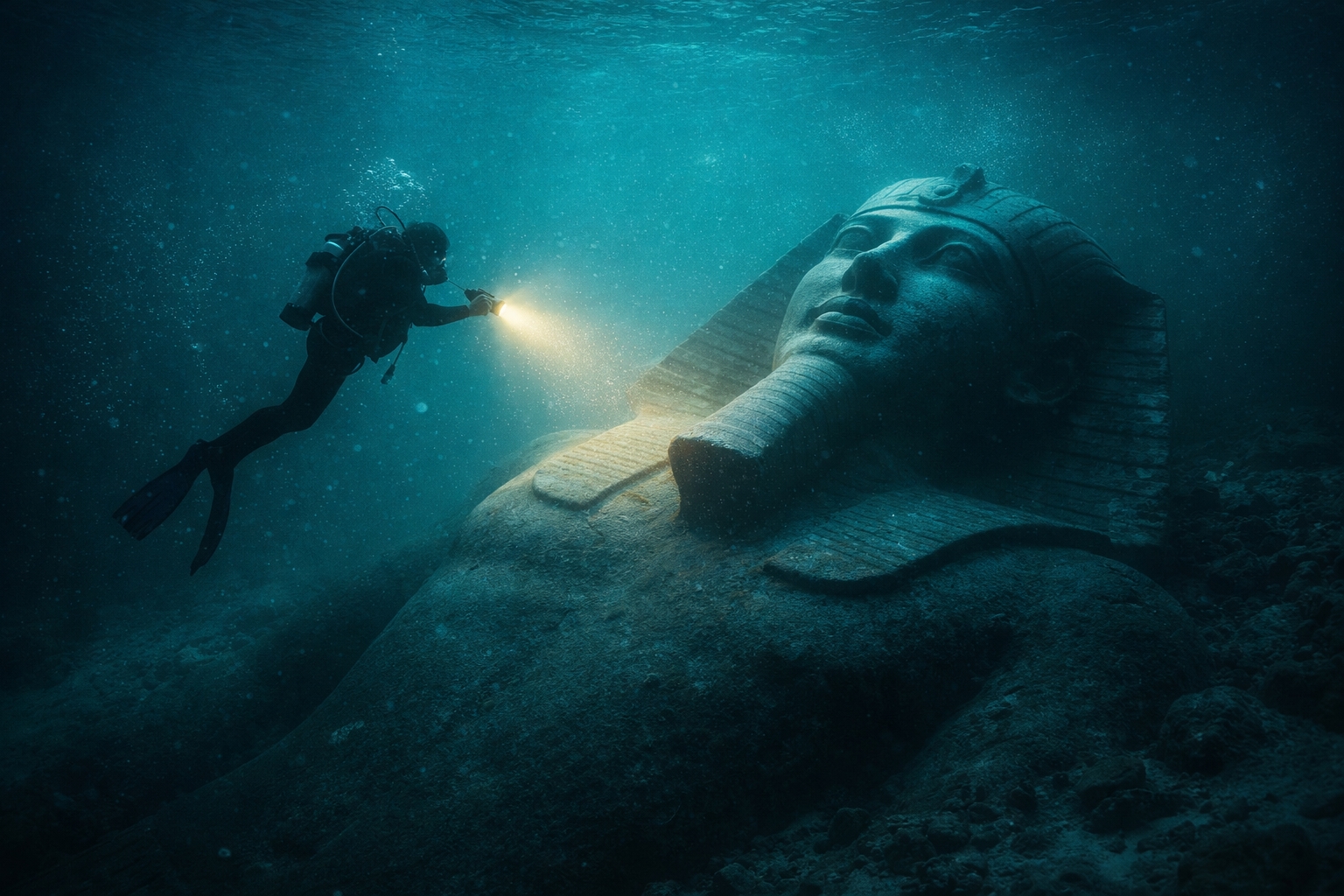
Ancient texts described a great Egyptian port city at the
mouth of the Nile—a bustling center of trade that predated
Alexandria. By the Middle Ages it had vanished so completely
that historians debated whether "Thonis" and "Heracleion"
were two separate mythical places or one imaginary city with
two names.
In 2000, underwater archaeologist Franck Goddio found the
answer beneath Abu Qir Bay: a sprawling city submerged by
earthquakes and rising seas, with temples, statues, ships,
and a stele that proved Thonis and Heracleion were the same
city. Only about 5% has been excavated so far. The other
95% is still down there, waiting to make someone's career.
Viking Sunstones: Navigation by Crystal

Medieval Norse sagas described magical crystals that allowed
Vikings to find the sun on cloudy days and navigate the open
ocean. Historians dismissed these "sunstones" as literary
embellishment—the kind of detail a storyteller adds to
make a voyage sound more heroic.
Then a calcite crystal was found on a 16th-century shipwreck,
and experiments proved that Iceland spar can indeed detect
the sun's position through heavy cloud cover by polarizing
light. The Vikings weren't being poetic. They were being
precise.
Norse Bone-Steel: Ancestors in the Blade

The sagas describe Viking smiths incorporating the bones
of ancestors into weapons to give them spiritual power.
This sounded like exactly the kind of ritual mysticism
that makes modern people feel superior to their ancestors.
Metallurgical analysis revealed that Iron Age Scandinavian
smiths actually did add bones to their smelting process.
The carbon from the bones improved the iron, creating a
rudimentary form of steel. The "myth" was a poetic
description of a real metallurgical technique. The smiths
may not have understood the chemistry, but they understood
the results—and wrapped them in a story that ensured
the knowledge would be passed down.
Roman Self-Healing Concrete
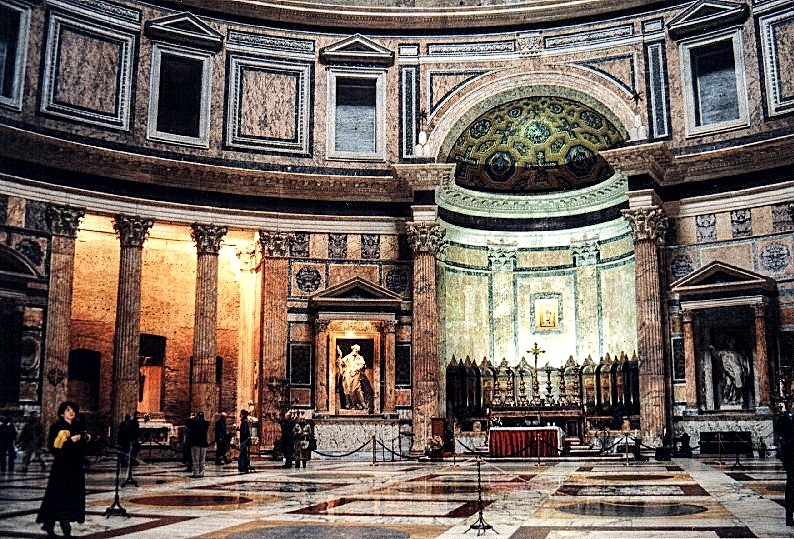
The Pantheon has been standing for nearly 2,000 years.
Modern concrete structures start crumbling after 50. For
a long time, the durability of Roman concrete was treated
as one of those annoying ancient mysteries—impressive
but unexplained, like the pyramids or a functional
government.
Recent scientific analysis revealed the secret: Roman
concrete contains lime clasts that, when cracked, react
with water to fill and heal the cracks automatically. The
concrete literally repairs itself. This wasn't accidental.
Roman engineers had developed a self-healing building
material that modern materials science is only now learning
to replicate.
The Golden Fleece: Wool in the Water

Jason and the Argonauts sailed to Colchis to steal a golden
fleece. Pure mythology, obviously. Except that in the Colchis
region—present-day Georgia—gold deposits wash downstream
from the mountains, and farmers have traditionally used
sheepskins placed in streams to capture gold flakes. The
technique has been handed down for thousands of years.
The golden fleece wasn't a metaphor. It was a business plan.
Derinkuyu: The City Beneath the Floor
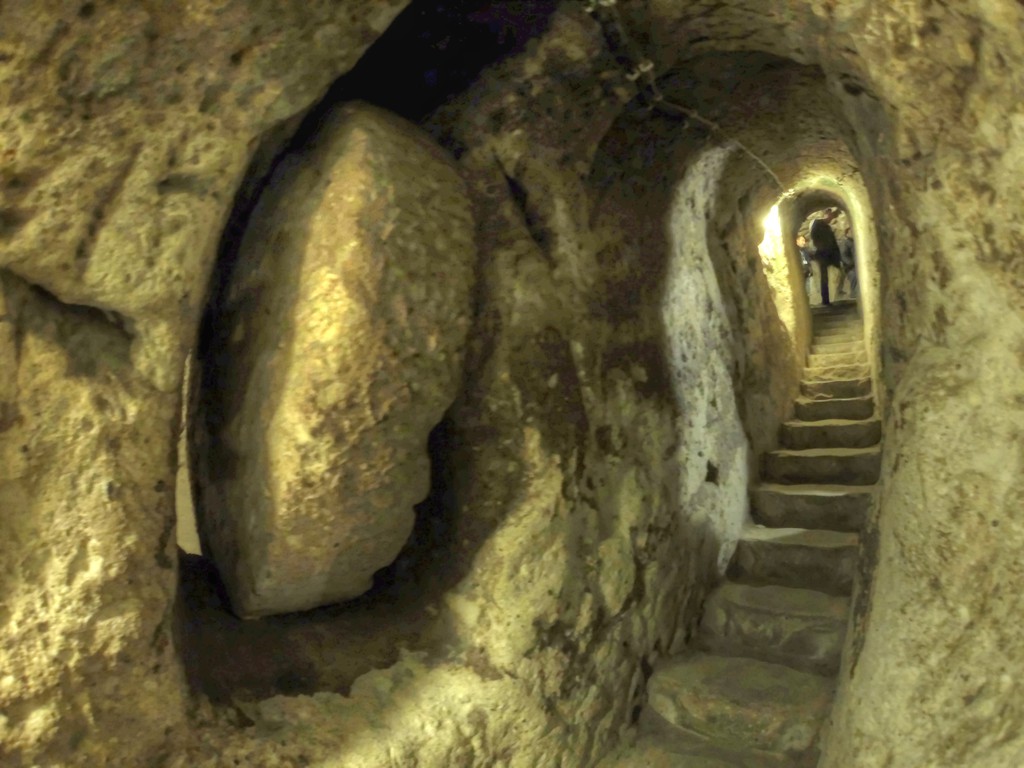
Local legends in Cappadocia, Turkey, spoke of vast hidden
tunnels beneath the earth. In 1963, a man knocked down a
wall in his basement during a renovation and revealed an
ancient underground city extending 280 feet deep—18 levels,
large enough to shelter 20,000 people with their livestock
and food stores.
Derinkuyu dates to at least the 8th-7th century BCE. It has
ventilation shafts, water wells, storage rooms, chapels, and
rolling stone doors designed to be sealed from the inside.
The locals had been telling the truth the whole time. Everyone
else just assumed that "there's a giant city under our feet"
was the kind of thing people say when they've been in the sun
too long.
The Pattern
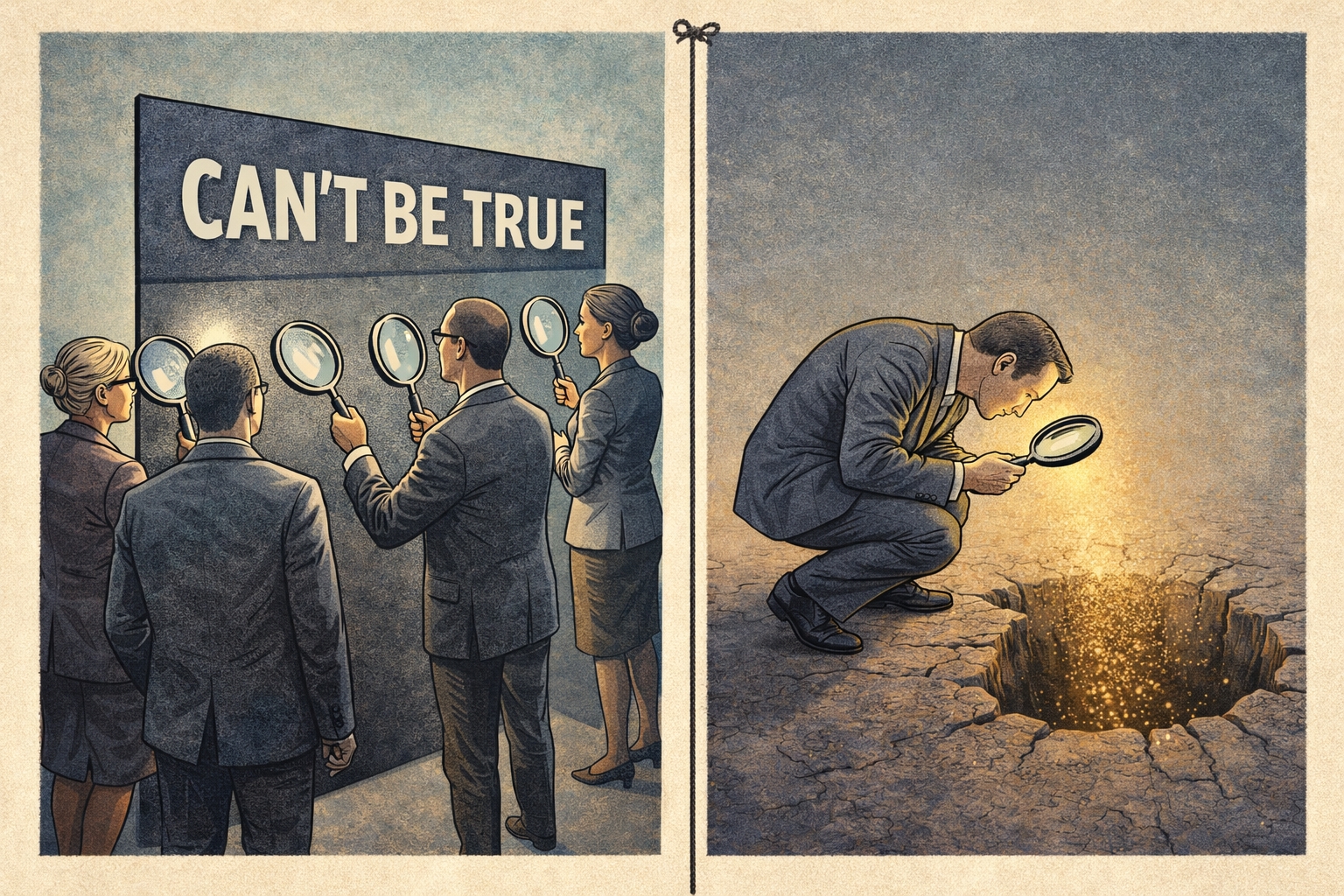
If there's a thread running through all of these, it's this:
the establishment is very good at explaining why something
can't be true, and not nearly as good at checking
whether it is.
Schliemann was a reckless amateur, but he was right about
Troy. The Ingstads were told Vikings couldn't have reached
North America, but the sod houses were right there in the
dirt. The sailors who described the Kraken were dismissed
as drunks, but the squid was 40 feet long and didn't care
about academic opinion.
The lesson isn't that every myth is true. Most aren't. The
lesson is that "we have no evidence for it" and "it didn't
happen" are two very different sentences, and smart people
confuse them more often than you'd think.
Somewhere right now, there's a legend that scholars are
confidently dismissing. Give it fifty years.