|
By: Paul S Cilwa |
Posted: 4/23/2010 |
|
Page Views: 732 |
| Hashtags: #Kauai #Hawaii #Travel |
| All about the trip Michael and I made to Hawaii's "Garden Isle". |
| Estimated reading time: 3 minute(s) (652 words) |
Kauai is one of the Hawaiian islands, as is Maui, which
I visited
last year. Michael couldn't make that trip, so this will be his
first visit to any part of Hawaii, adding that state to his personal map.
As a state in the Union, Hawaii is divided into counties. It has
conveniently decided that each major island making up the Hawaiian
archipelago is a "county". So Kauai is a county, as well as an
island. Kauai County also includes the minor islands of
Ka'ula, Lehua, and Ni'ihau.
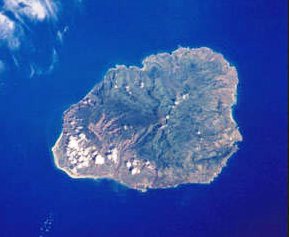
As an island, it is fourth largest of the Hawaiian islands, at a mere
552 square miles. (Maui is second largest.) Roughly circular in
shape, it is about 32 miles across, meaning that you can get
anywhere accessible by road in a few hours. On the other hand, a lot
of Kauai is still wilderness preserve, and those places can only be
reached by helicopter or hiking. The 2000 census gave the population
of Kauai alone as about 58,000. So this is an intimate place,
perfect for someone who abhors big cities, like me.
The islands are the exposed peaks of a great undersea mountain
range known as the Hawaiian-Emperor seamount chain, formed by
volcanic activity over a hotspot in the Earth's mantle. At about
1,860 miles from the nearest continent, the Hawaiian Island
archipelago is the most isolated grouping of islands on earth. As
the hotspot shifts, new volcanoes are formed and erupt, creating yet
another island. Kauai was the first island thus created and, as the
oldest, has the most eroded volcanic cones (and has had the most
time to develop a unique ecosystem).
Kauai receives almost the most rainfall anywhere in the world,
one of the wettest spots on earth, with an annual average
rainfall of 460 inches, is located on the east side of Mount
Wai'ale'ale. The high annual rainfall has eroded deep valleys in the
central mountains, carving out canyons with many scenic waterfalls.
On the west side of the island, Waimea town is located at the mouth
of the Waimea River, whose flow formed Waimea Canyon, one of the
world's most scenic, and which is part of Waimea Canyon State Park.
At 3,000 feet deep, Waimea Canyon is often referred to as "The Grand
Canyon of the Pacific". As you can guess, we have every intention of
visiting there.
The rugged northwest edge of Kauai is known as the Nā Pali Coast,
and is encompassed by another state park to which it gives its name.
And inland from there is Waimea Canyon, also known as the "Grand
Canyon of the Pacific" so you know we will be checking that
out!
We have reservations for a full, traditional luau (feast) on
Monday night, and will be staying at a (hopefully) charming bed &
breakfast-type place (though they do not serve breakfast, so I guess
it's just a "bed".
We leave tomorrow at 1:55 pm, from Phoenix to Honolulu—this will
also be my first time on Oahu—and then a short flight to Lihue, the
town where Kauai's airport is located.
I'll be "tweeting" and "Facebooking" all the way, and blogging
each evening. So stay tuned!
The Flights To Kauai
|
By: Paul S Cilwa |
Posted: 4/24/2010 |
|
Page Views: 1,355 |
| Hashtags: #Places #Lihue #Kauai #Hawaii |
| Michael and I fly to Honolulu and then Lihue for our Hawaiian vacation! |
| Estimated reading time: 8 minute(s) (1751 words) |
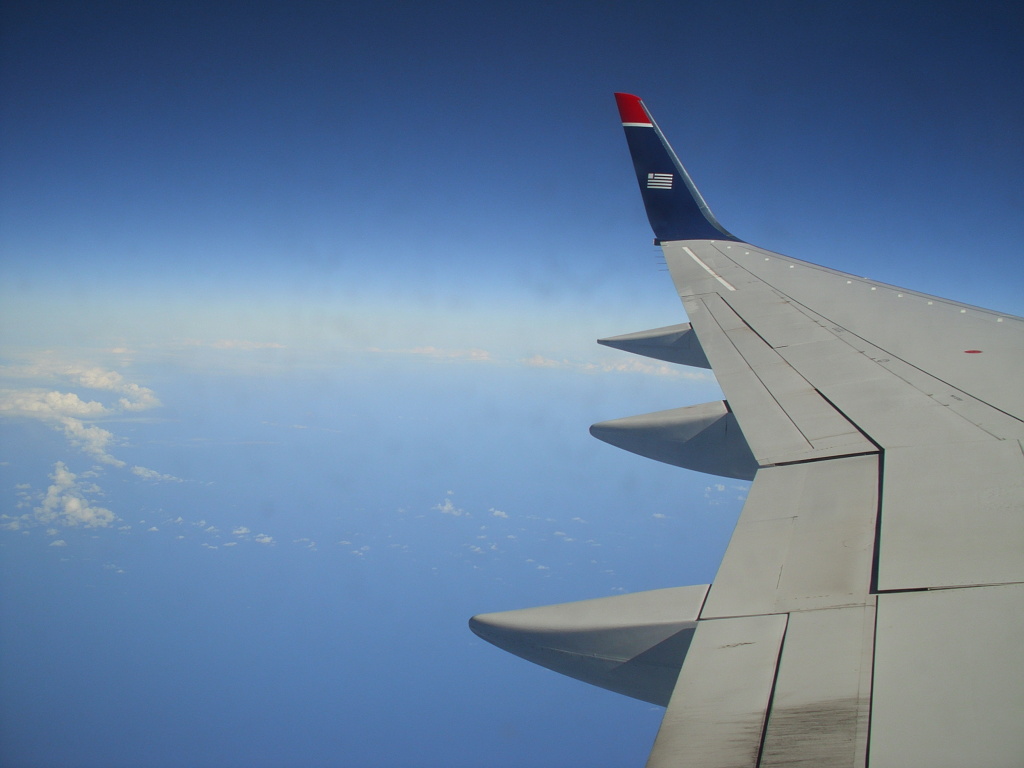
Today was a travel day, spent flying 3000 miles from Phoenix to
Kauai, the 4th largest island in the Hawaiian archipelago.
Cocks Gone Wild
|
By: Paul S Cilwa |
Posted: 4/25/2010 |
|
Page Views: 1,692 |
| Hashtags: #Kauai #Hawaii |
| How Michael and I spent our first full day on Kauai. |
| Estimated reading time: 12 minute(s) (2665 words) |
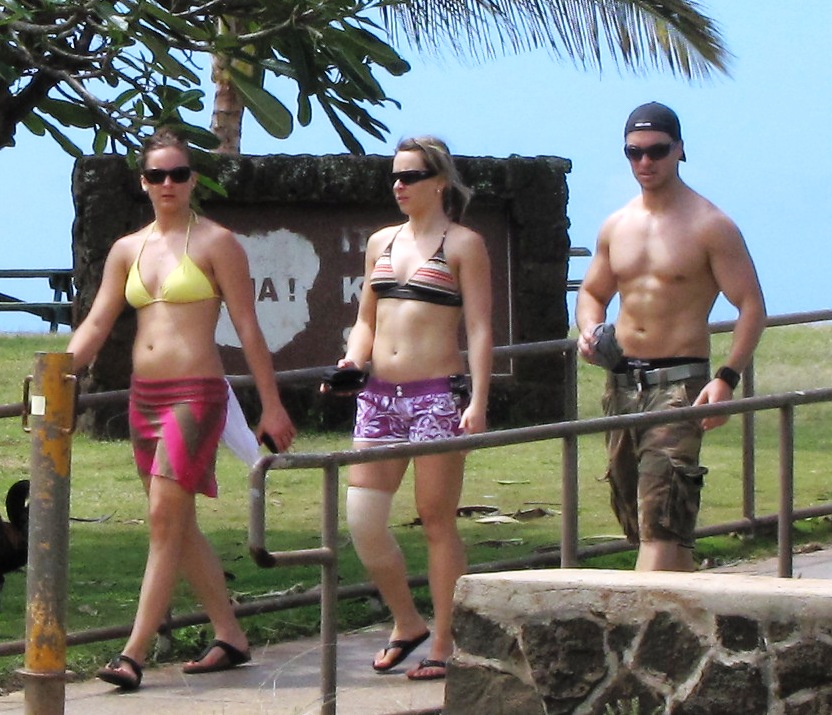
Kauai's cocks and hens have been on the island since ancient times,
when the original Polynesian settlers brought them as a food source. There were,
therefore, no native predators for them and they quickly filled a niche that had
apparently lain vacant (or quickly displaced an unknown native species).
Then, in 1992, Hurricane Iniki may have caused some unknown change in the
island's ecology, because from that time to this the chicken population has
increased for no identified reason. The cocks, and the hens, too, have gone
wild.
Oh, Poi!
|
By: Paul S Cilwa |
Posted: 4/26/2010 |
|
Page Views: 1,116 |
| Hashtags: #Kauai #Hawaii #KipuFalls #WailuaRiver |
| Michael and I swim at a waterfall, take a river cruise, and attend a luau! |
| Estimated reading time: 10 minute(s) (2214 words) |
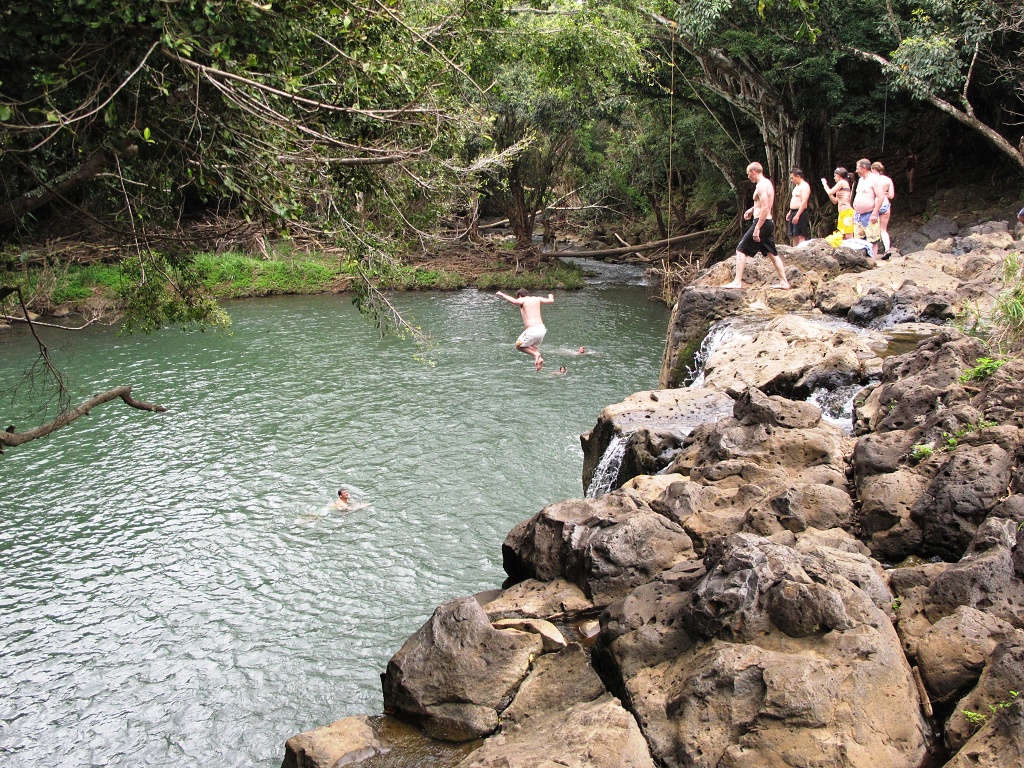
Today it was my turn to sustain a minor vacation injury. But it
was so totally worth it, that I would gladly do it again.
West Side Story
|
By: Paul S Cilwa |
Posted: 4/27/2010 |
|
Page Views: 1,000 |
| Hashtags: #Kauai #Hawaii #WaimeaCanyon |
| Michael and I explore the west side of Kauai. |
| Estimated reading time: 5 minute(s) (1171 words) |
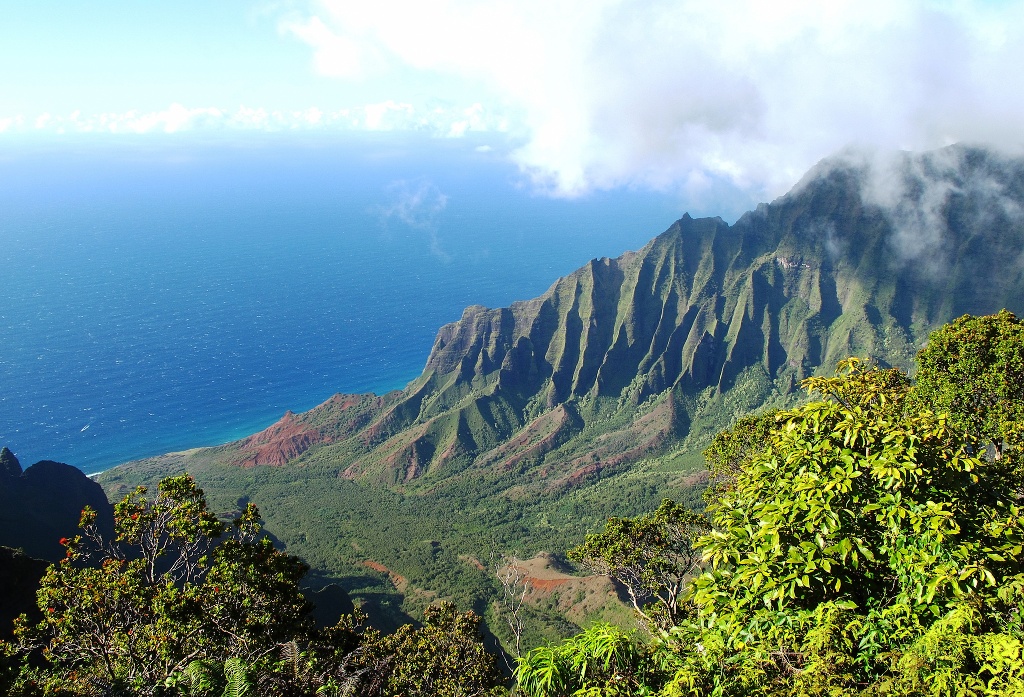
Today was spent exploring Kauai's western interior, with an
emphasis on Waimea Canyon, sometimes called "The Grand Canyon of the
Pacific", and with good reason!
The Na Pali Coast
|
By: Paul S Cilwa |
Posted: 4/28/2010 |
|
Page Views: 1,157 |
| Hashtags: #Kauai #Hawaii #NaPali |
| Michael and I visit a botanical garden and ride a catamaran along the Na Pali coast, before ending our vacation. |
| Estimated reading time: 8 minute(s) (1687 words) |
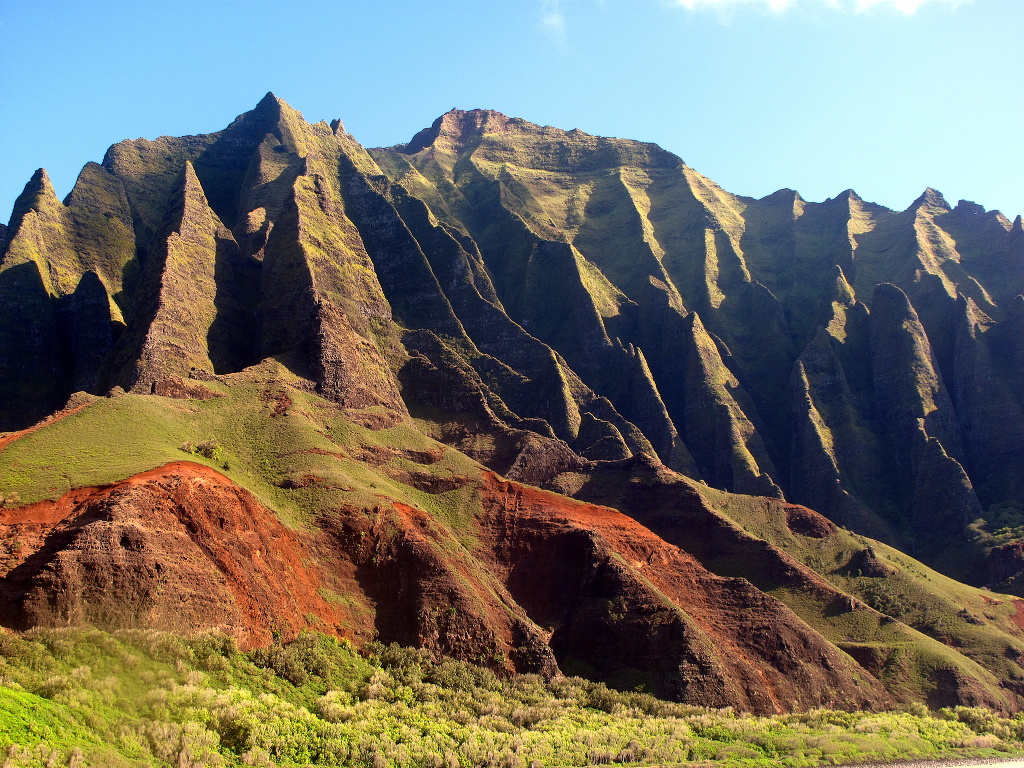
Today, being the last day of our Kauai vacation, threatened to be
very full even before we awoke. Not only did we need to check
out of our room, but we had to find "something" to do to fill the
time between checkout at 11 AM and the departure of our flight at 10
pm. And that something, I hoped, would be a boat tour of the Na Pali
coast.
Debriefing: Kauai
|
By: Paul S Cilwa |
Posted: 4/30/2010 |
|
Page Views: 1,330 |
| Hashtags: #Kauai #Hawaii #Travel |
| I look back at the trip to Kauai and ask: What have I learned? |
| Estimated reading time: 6 minute(s) (1320 words) |
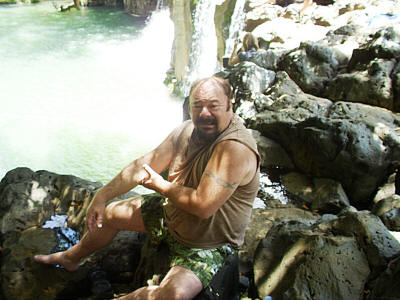
After taking such a major undertaking as a trip to one of the
Hawaiian islands, it seems reasonable to catch my breath, and ask
things like, what did I see that I didn't need to see? What did I
miss? What would I do differently, and what would I do the same?
Sort of like unpacking after a vacation, only it's unpacking the
mind instead of the suitcase.