|
By: Paul S Cilwa |
Occurred: 8/7/2024
Posted: 9/27/2024 |
|
Page Views: 304 |
| Hashtags: #Autobiography #Maui #OluwaluLanding #Makawao #Hawaii |
| My last day on Maui...for now! |
| Estimated reading time: 4 minute(s) (804 words) |
So I headed for Oluwalu Landing, where I've been told by the lovely
folks at Camp Oluwalu is a nice spot for soaking in the ocean.
On the way I came upon an archeological site. There's a lot of them
on the island, and most predate colonization. But this one turned
out to be for an old sugar mill.
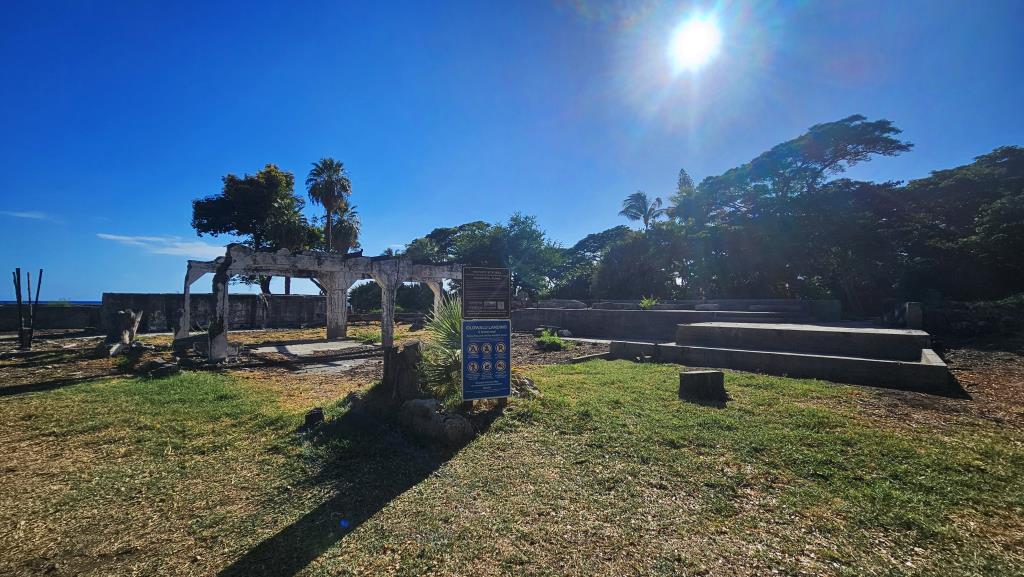
The Olowalu Sugar Mill, established in the mid-1800s, was one of
the earliest sugar mills on Maui. It was built by the Olowalu
Company, which played a significant role in the island's burgeoning
sugar industry. The mill operated for several decades, contributing
to the local economy and shaping the community. However, by the
1930s, the mill was decommissioned and dismantled, leaving behind the
ruins that can still be seen today. These remnants offer a glimpse
into Maui's rich agricultural history and the early days of its sugar
production.
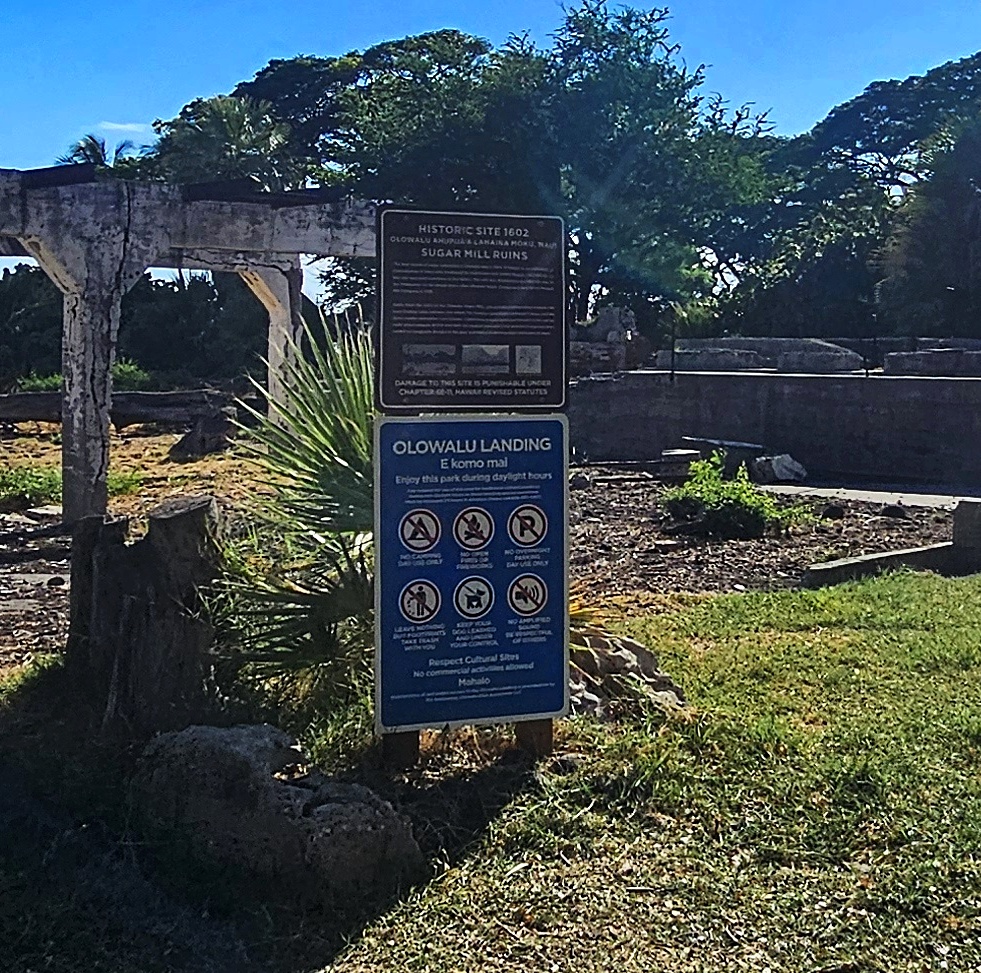
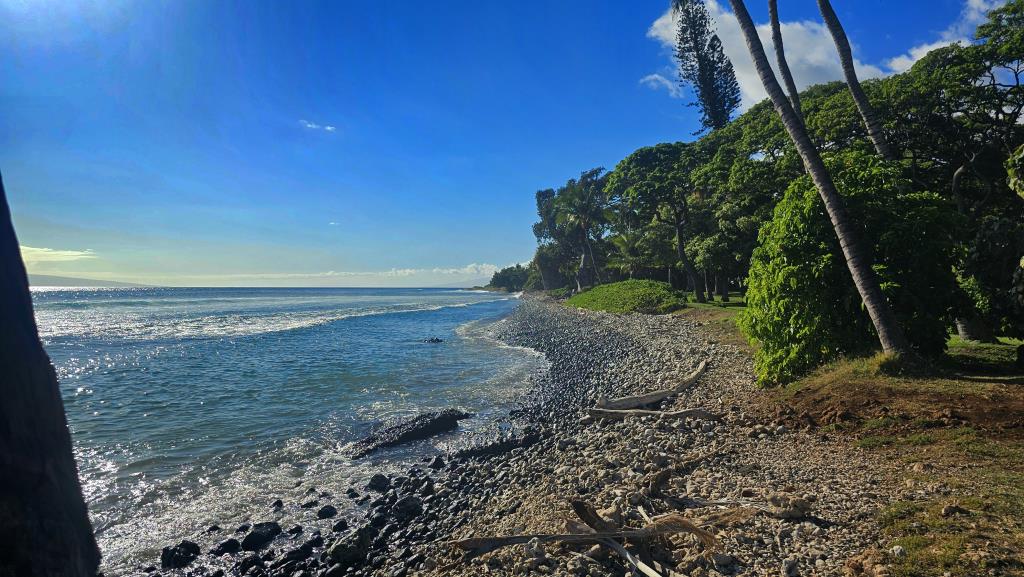
Olowalu Landing is a historic site located just off the
Hono'apiilani Highway. It was once a bustling port where goods,
including sugar, were shipped from Maui to other parts of the world.
Today, it's a serene spot known for its beautiful sunsets and scenic
views.
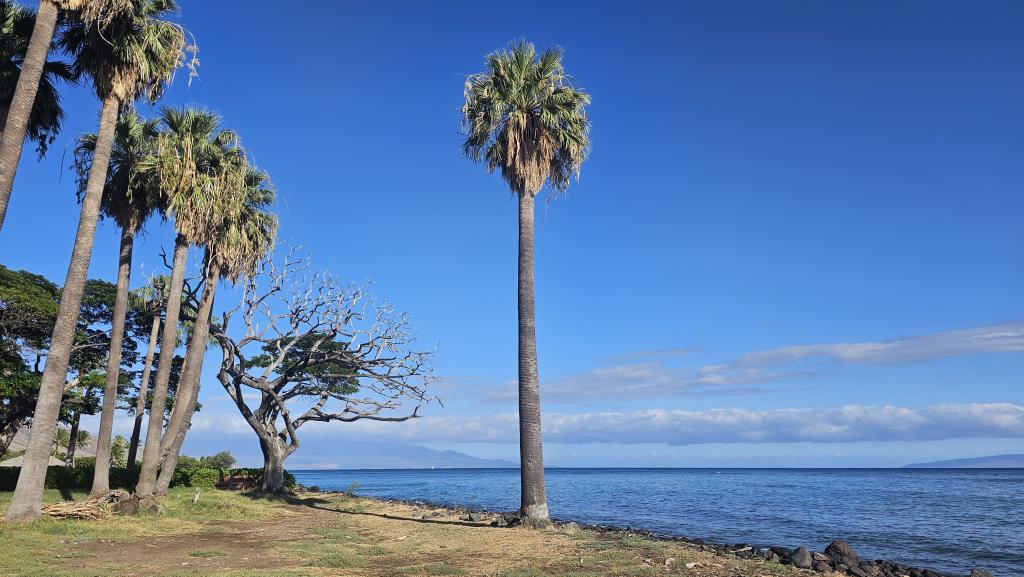
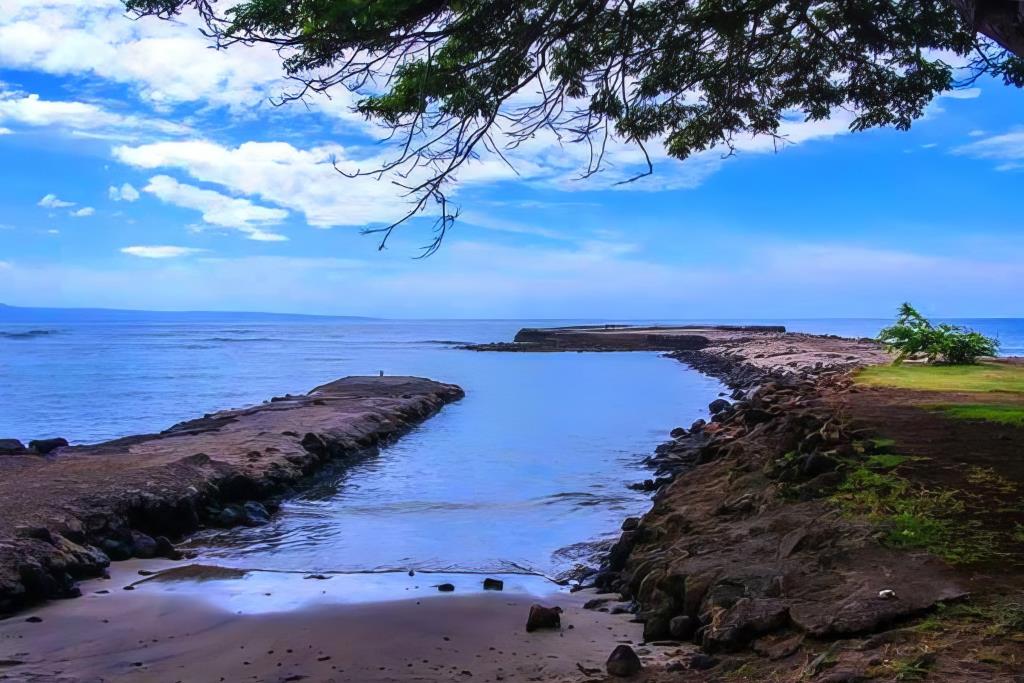
A jetty alongside the landing itself protects it from the churning
waves.
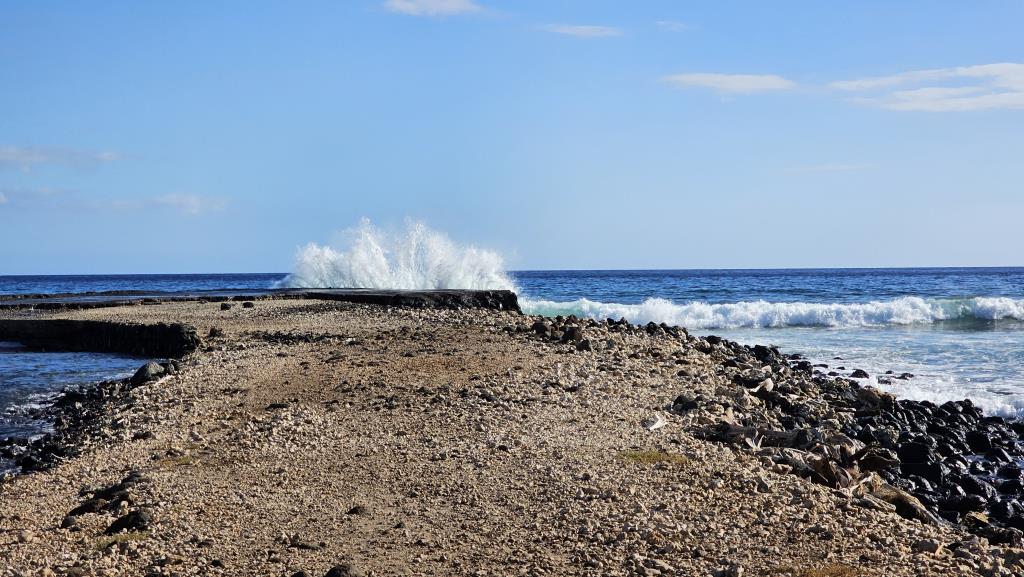
I waited for the people using it to leave, then floated in the
calm, warm water for an hour. Yes, it was awesome.
The landing itself has a rich
history of indigenous use. Before colonization, the area was part of
a larger ahupua'a (land division) that extended from the mountains to
the sea. The indigenous Hawaiians utilized this area for various
purposes, including launching canoes. The calm waters and natural
landing made it an ideal spot for fishing and transportation.
Olowalu was also known for its fishponds and agricultural
activities, such as growing taro and breadfruit. The area holds
significant cultural and historical importance, with many ancient
practices and traditions tied to the land and sea.
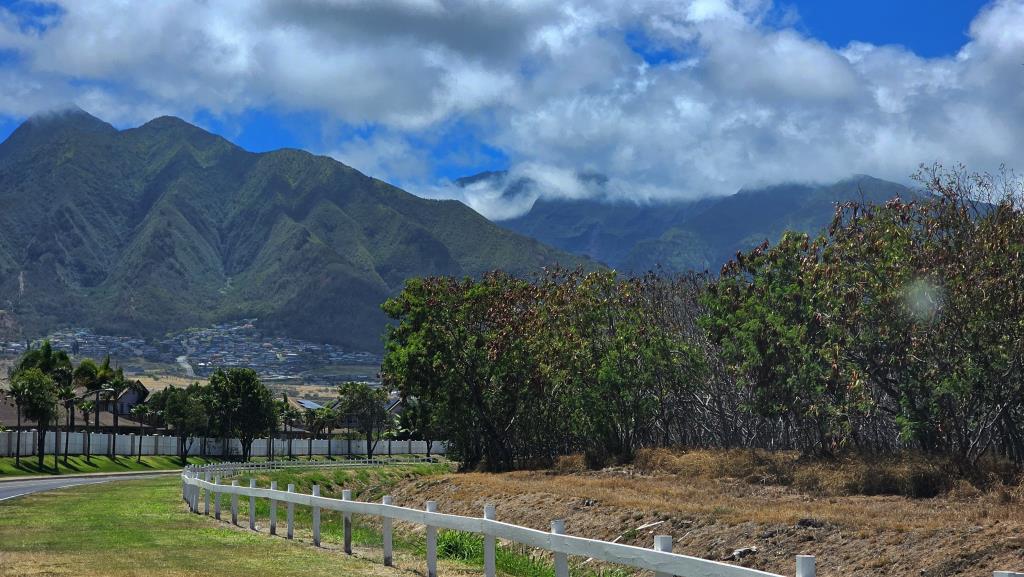
But eventually it came time for me to drive to Makawao,
finally, to pick up the box of pictures from Rob. On the
way I caught this nifty view of the
West Maui Mountains, with the town of Wailuku nestled in its
foothills.
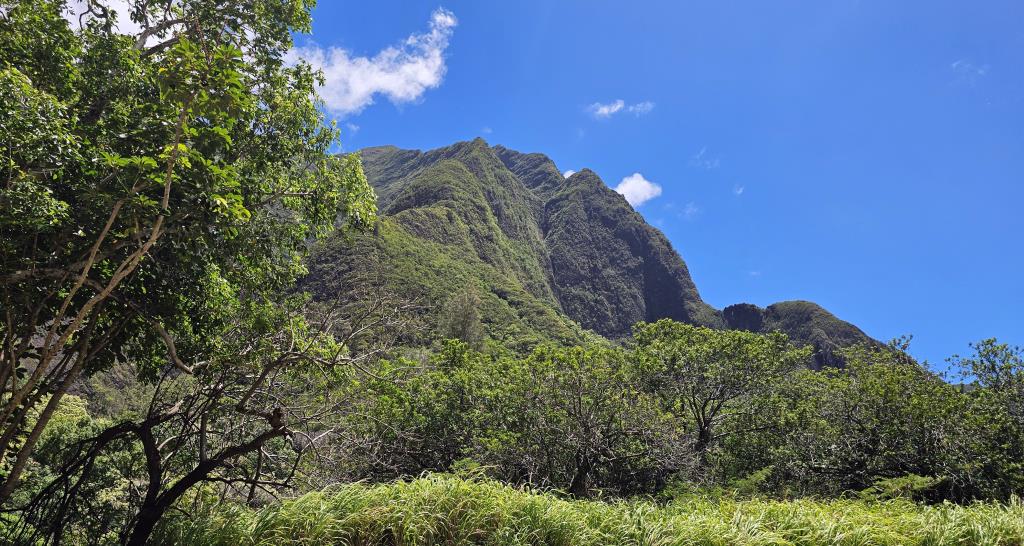
The West Maui Mountains, also known as Mauna Kahalawai, are the
remnants of an ancient shield volcano that formed around 1.3 million
years ago. This majestic range, with its highest peak at Pu'u Kukui
standing at 5,788 feet (about half as high as the much-younger
Haleakalā), showcases the dramatic effects of erosion over
hundreds of thousands of years. The mountains are composed primarily
of dark basalt rock, formed by fast-flowing lava during the volcanos
active period. The last eruption occurred approximately 320,000 years
ago, leaving behind a landscape carved by streams and landslides.
Today, the West Maui Mountains are home to lush valleys, towering
waterfalls, and a diverse array of native flora and fauna.
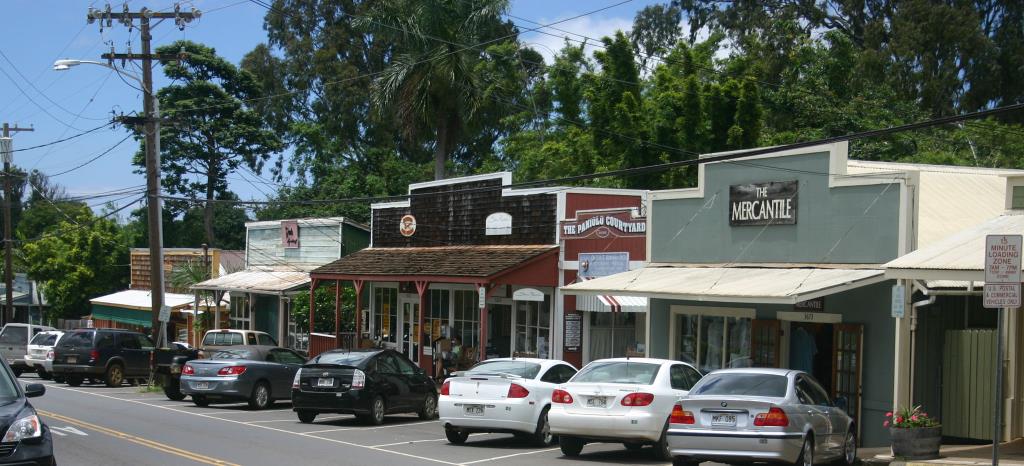
Makawao, nestled on the northwest slope of Haleakalā in Upcountry
Maui, is a charming town with a rich history. Makawao's name, meaning
Eye of the Forest, hints at its lush surroundings and deep connection
to the land. Originally inhabited by Polynesians over a thousand
years ago, it evolved into a vibrant community known for its ranching
and farming. In the 19th century, Makawao became a hub for the
paniolo, or Hawaiian cowboys, whose legacy is still evident today.
The town's unique blend of Hawaiian and Western cultures is reflected
in its historic buildings, art galleries, and local shops.
But I was there, not as a tourist, but because it's located roughly
halfway between Hana, where Rob lives, and Kahului, from where I'll
be flying out tonight.
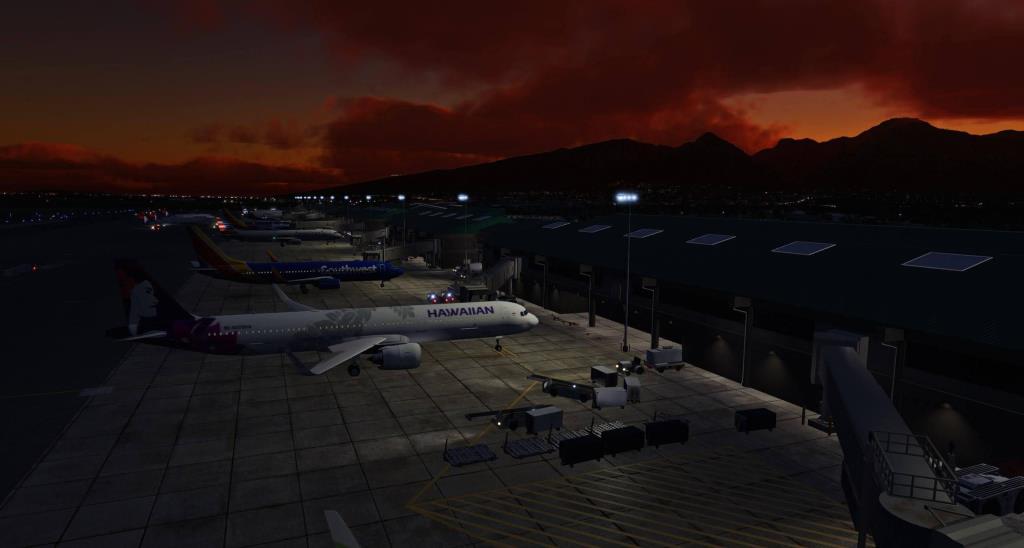
I got the SUV back to the rental place. (I had a little trouble finding it,
but I called and the guy ran into the street to wave me in.) They then drove
me to nearby Kahului Airport where I checked my bag and the box of pictures
and made them put me into a wheelchair. The flight left after 8 PM for
an early-morning arrival in Phoenix. (Because of the prevailing winds,
it only takes 5.5 hours to fly to Phoenix, as opposed to 6.5 hours to
fly to Kahului from Phoenix.)
And so…another trip checked off! Then, in two weeks, I get a new
hip and we'll see what happens then.